Menopause brings a distinct shift in skin health. As estrogen levels decline, the skin loses collagen, elastin, and its natural ability to hold moisture. This often results in dryness, thinning, and a loss of firmness—changes that are not superficial. They reflect real physiological changes happening beneath the surface.
While no single food can reverse the aging process, emerging research points to specific nutrients that help support the skin’s structure and hydration from the inside out. Below are six foods that target the key drivers of menopausal skin changes: collagen degradation, moisture loss, and oxidative stress.
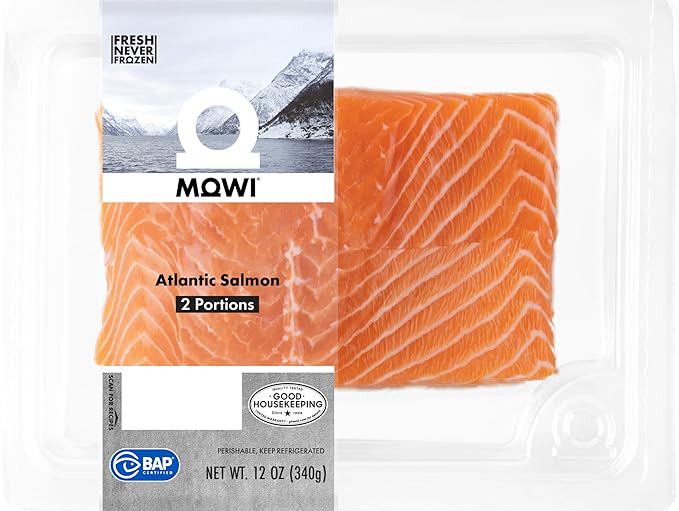
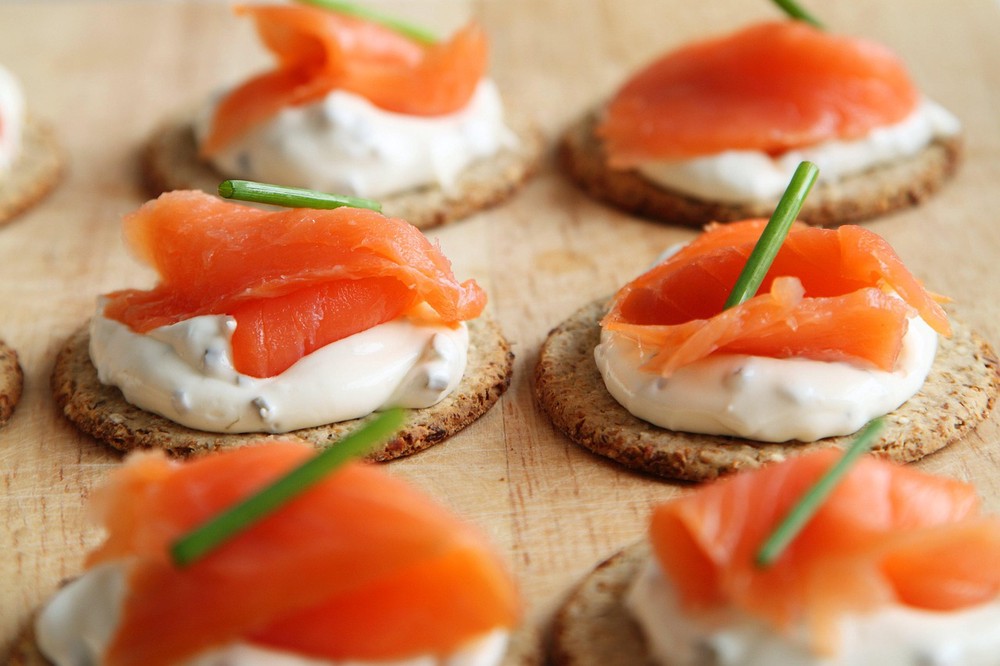
1. Salmon
Fatty fish like salmon are rich in omega-3 fatty acids, which play a role in maintaining the skin’s lipid barrier. A healthy barrier traps moisture and keeps irritants out. Omega-3s also have anti-inflammatory properties, which can help calm the redness and sensitivity that sometimes accompany menopausal skin. In addition, salmon provides high-quality protein and astaxanthin—a carotenoid antioxidant that may help protect skin cells from UV damage and support elasticity.
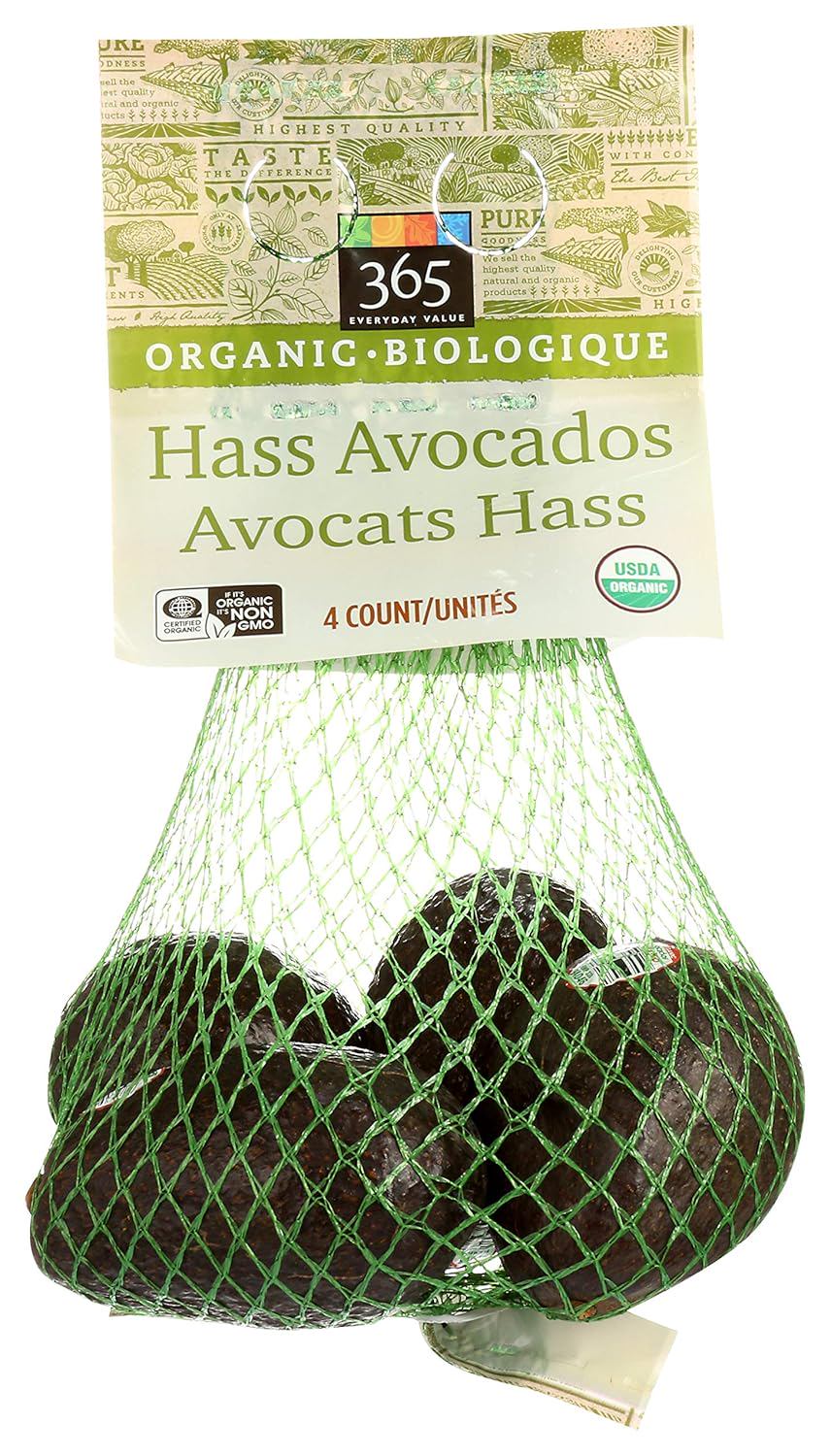
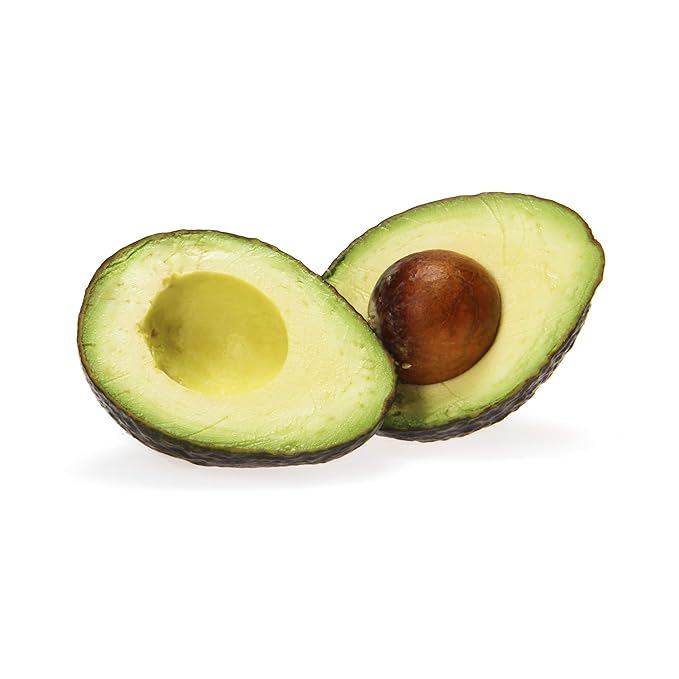
2. Avocados
Avocados contain monounsaturated fats that support the skin’s natural oil production. Many women notice their skin becomes drier during menopause because estrogen helps regulate sebum. Avocado’s healthy fats can compensate in part by providing the building blocks for supple skin. They also deliver vitamin E, a fat-soluble antioxidant that protects cell membranes from oxidative damage, and vitamin C, which is essential for collagen synthesis.
3. Sweet Potatoes
Sweet potatoes are one of the richest food sources of beta-carotene, a precursor to vitamin A. In the body, vitamin A helps regulate skin cell turnover and supports the production of collagen and elastin fibers. Beta-carotene also acts as a natural photoprotectant, helping skin defend against UV radiation that accelerates aging. A moderate intake of orange and green vegetables can give skin a healthy glow without the risks associated with high-dose supplements.
4. Spinach and Dark Leafy Greens
Dark leafy greens such as spinach, kale, and Swiss chard are packed with vitamin C, vitamin E, and lutein. Vitamin C is a cofactor for the enzymes that build and stabilize collagen. Without adequate C, collagen fibers become weak and brittle. Lutein, a carotenoid found in the skin, has been shown to improve skin hydration and elasticity when consumed regularly. These greens are also a source of iron, which helps carry oxygen to skin cells for repair.
5. Walnuts
Walnuts are among the few plant foods rich in both omega-3s (alpha-linolenic acid) and vitamin E. They also contain copper, a trace mineral needed for the cross-linking of collagen and elastin. That process gives skin its bounce and resilience. A handful of walnuts provides a concentrated dose of these nutrients, but they are calorie-dense, so a modest serving—roughly a quarter cup—is sufficient. The combination of healthy fats and antioxidants can help reduce inflammation that damages skin structure over time.
6. Bell Peppers
Red and yellow bell peppers offer more vitamin C per gram than citrus fruits. One medium bell pepper provides well over the daily recommended intake. This is significant because vitamin C production in the body does not occur naturally—it must come from food. During menopause, collagen loss accelerates, and adequate vitamin C becomes even more critical to support the remaining collagen and stimulate new synthesis. Bell peppers also contain carotenoids like beta-cryptoxanthin, which have been linked to a lower risk of skin wrinkling in population studies.
Incorporating these foods into a balanced diet is a practical, non-invasive way to support skin health during menopause. As always, consult a dermatologist or registered dietitian before making major dietary changes, especially if you have underlying health conditions or take medications that interact with certain nutrients.