
When you're working on building strength or improving your posture, what you eat matters just as much as how you move. Dietitians say that the right foods can help repair muscle tissue, reduce inflammation, and support the structural alignment of your body—especially your spine and core. Here are six foods that experts recommend for muscle recovery and better posture.
Why diet matters for muscle recovery and posture
Muscle recovery is about more than just rest. After exercise, your muscles need protein to repair micro-tears, and they need anti-inflammatory nutrients to reduce soreness. Meanwhile, good posture depends on strong back, abdominal, and hip muscles, as well as healthy bones and joints. A diet rich in certain nutrients can help you recover faster and stand taller.
“Supporting your body with the right foods can shorten recovery time and help you maintain a more upright, comfortable posture,” says registered dietitian Sarah Johnson.
1. Fatty fish
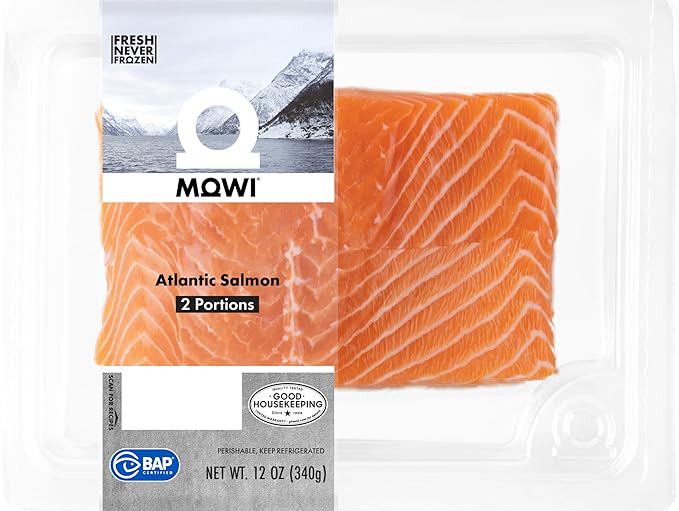
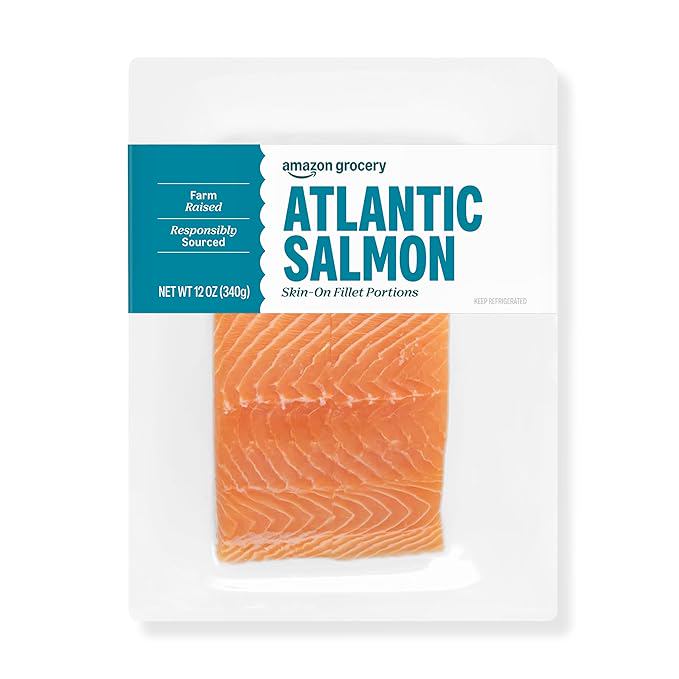
Salmon, mackerel, and sardines are packed with omega-3 fatty acids, which are known to reduce inflammation caused by intense workouts. Omega-3s can also help with muscle soreness and support joint health. Additionally, the vitamin D in fatty fish supports calcium absorption, which is essential for strong bones—and strong bones are the foundation of good posture.
2. Leafy greens
Spinach, kale, and Swiss chard are rich in calcium, magnesium, and vitamin K, all of which are crucial for bone health and muscle function. Magnesium, in particular, helps with muscle relaxation and may prevent cramps. Vitamin K helps the body use calcium effectively, reducing the risk of bone density loss that can contribute to a hunched posture.
3. Eggs
Eggs are an excellent source of high-quality protein and leucine, an amino acid that stimulates muscle protein synthesis. For recovery, eating enough protein like the kind found in eggs can help repair muscle fibers after exercise. They also contain vitamin D, which is important for maintaining strong bones and preventing postural imbalances.
4. Lean poultry
Chicken and turkey are lean sources of protein that support muscle repair without excessive saturated fat. They also provide B vitamins, including B6 and B12, which help your body convert food into energy. Adequate energy is important for staying active and performing strengthening exercises that improve posture.
5. Greek yogurt
Greek yogurt is a calcium powerhouse, and it also contains about twice the protein of regular yogurt. Calcium is essential for bone density, and protein helps rebuild muscle tissue that supports your spine and shoulders. Look for plain Greek yogurt to avoid added sugars. You can add fruit or nuts for extra nutrients.
6. Nuts and seeds
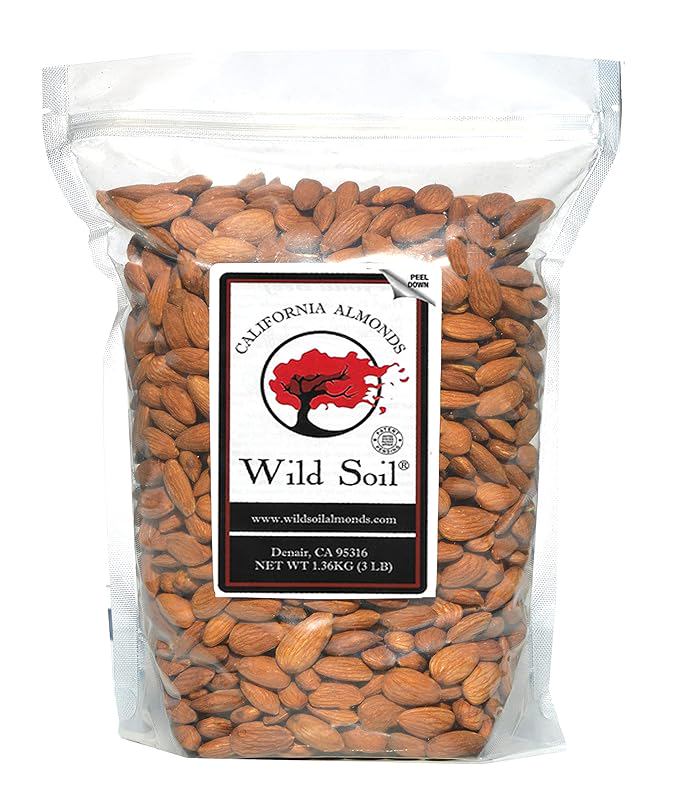
Almonds, walnuts, chia seeds, and flaxseeds offer healthy fats, protein, and magnesium. Magnesium is often under-consumed but plays a role in muscle contraction and relaxation. These foods also contain antioxidants like vitamin E, which can help reduce oxidative stress from exercise. A handful of almonds or a tablespoon of chia seeds in a smoothie can make a real difference in recovery.
How to combine these foods for best results
You don't have to eat all six every day, but try to include at least a few in your regular meals. For example, pair scrambled eggs with spinach for breakfast, have a salmon salad for lunch, and snack on Greek yogurt with almonds in the afternoon. This approach provides a steady supply of the nutrients your muscles and bones need to recover, strengthen, and support better posture over time.
Remember, food alone won't fix posture or muscle imbalances—it works best alongside a consistent exercise routine that includes stretching and strength training. But by nourishing your body with these dietitian-recommended foods, you give yourself a real advantage.