
Navigating therapy is a deeply personal process, and while talk, reflection, and professional guidance form the core of the work, what you eat can quietly influence how you feel from session to session. Dietitians point to several foods that may help steady your mood, support brain chemistry, and make it easier to process difficult emotions. These aren't miracle cures — they are tools that work alongside therapy, not instead of it. The goal here is to nourish the nervous system so emotional regulation feels a bit more accessible.
Below, we explore six foods that dietitians recommend for anyone in therapy who wants to support their emotional health through nutrition. Each suggestion is backed by a simple rationale about how it affects the body and mind, without overpromising or veering into medical advice.
Fatty fish for omega-3s and brain health
Salmon, mackerel, sardines, and anchovies are rich in omega-3 fatty acids, particularly EPA and DHA. These fats are structural components of brain cell membranes and play a role in neurotransmitter function. Dietitians note that consistent intake of omega-3s is associated with better mood stability. The connection isn't about curing depression but about giving the brain the raw materials it needs to work well under stress. For people in therapy, this can translate to a slightly more resilient baseline — less reactive, a bit steadier.
Aim for two servings per week, and if you don't eat fish, consider an algae-based omega-3 supplement after checking with your healthcare provider. Canned options work fine; the key is regularity, not perfection.
Leafy greens for folate and magnesium
Spinach, kale, Swiss chard, and collard greens are dense in folate and magnesium, two nutrients often mentioned in connection with mood regulation. Folate is involved in the production of serotonin and dopamine, the neurotransmitters that help regulate mood and motivation. Magnesium helps calm the nervous system and may reduce the intensity of stress responses.
Including a serving of dark leafy greens at most meals doesn't have to mean elaborate salads. A handful stirred into soup, blended into a smoothie, or wilted into eggs works. Dietitians emphasize that these greens support the brain's ability to handle emotional work, especially during periods of therapeutic processing.
Fermented foods for the gut-brain axis
Kimchi, sauerkraut, yogurt, kefir, and miso introduce beneficial bacteria into the digestive tract. The gut and brain communicate through the vagus nerve and through chemical signals, and a balanced microbiome is tied to lower levels of inflammation and more stable mood. The research is still evolving, but dietitians find that patients who include fermented foods often report fewer episodes of feeling "off" for no clear reason.
Even a small serving — a spoonful of sauerkraut with a meal or a cup of yogurt — can introduce diversity into the gut ecosystem. The key is choosing unpasteurized options when possible, since pasteurization kills the live cultures that provide the benefit.
Dark chocolate for magnesium and polyphenols
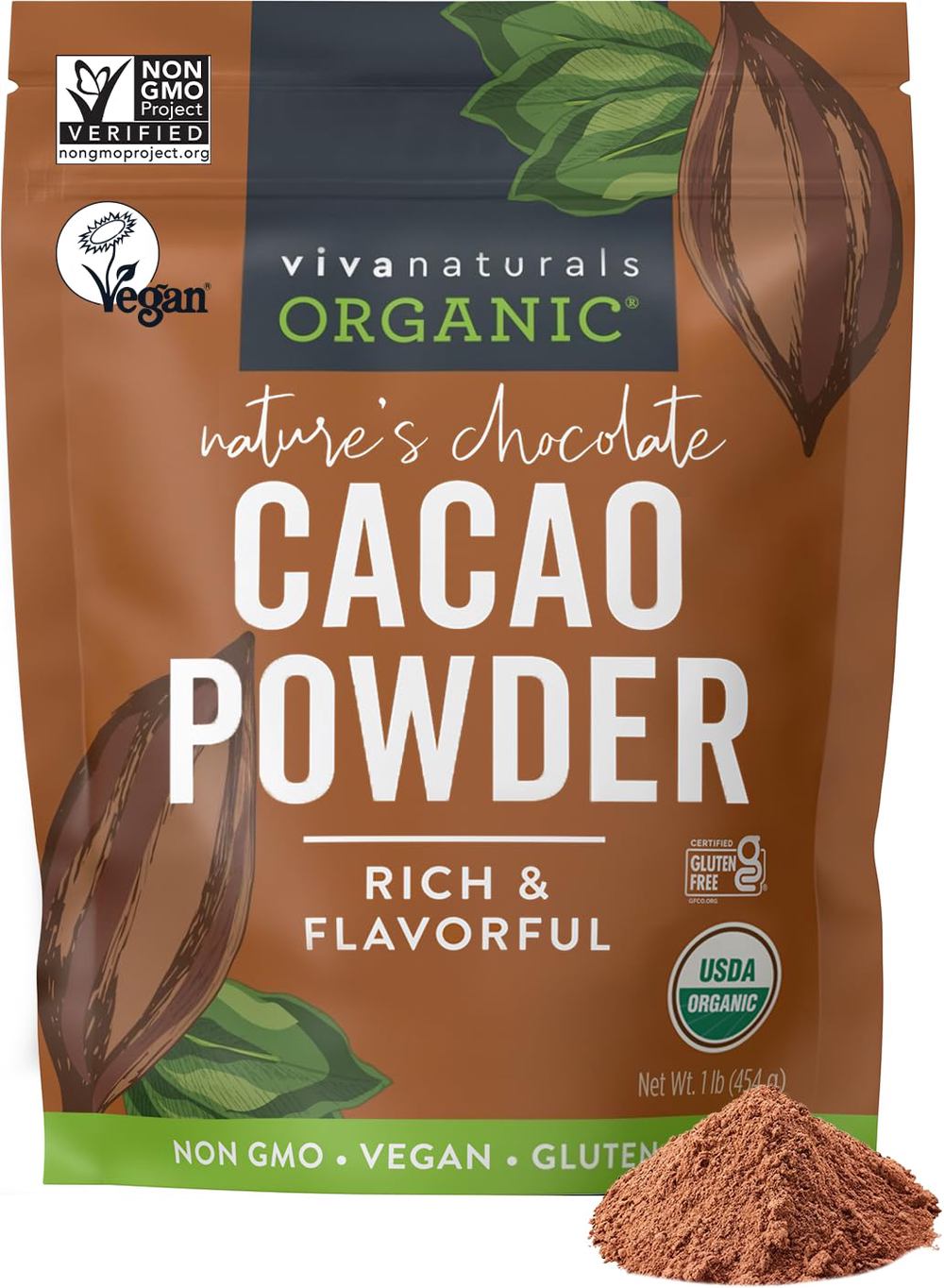
Dark chocolate with at least 70% cocoa content is a source of magnesium and polyphenols, plant compounds that support blood flow and reduce oxidative stress. Magnesium's calming effect on the nervous system is well-documented, and the polyphenols may help improve cognitive flexibility — the ability to shift perspectives, which is directly relevant to therapy.
Savoring one or two small squares a few times per week is a reasonable approach. Dietitians caution against over-consuming because of sugar and calorie density, but a small portion can be both a sensory pleasure and a mild nutritional support for emotional balance.
Berries for antioxidants and vitamin C
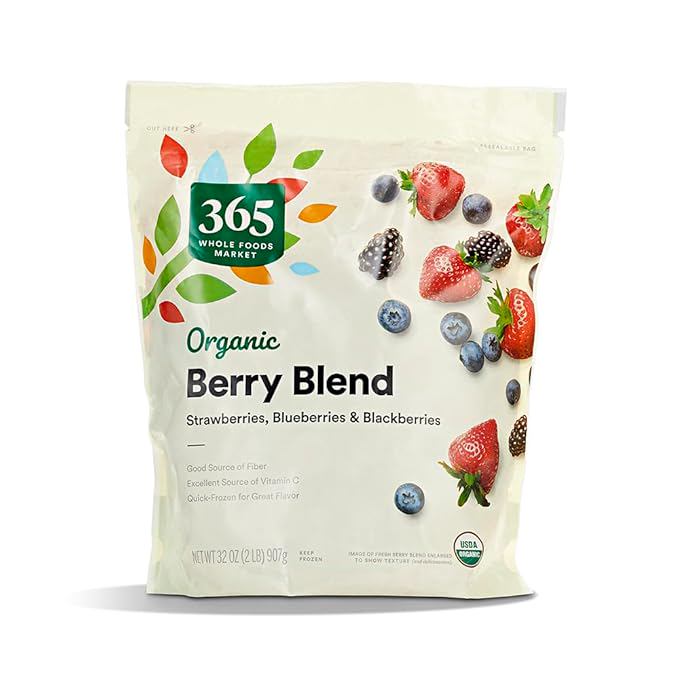
Blueberries, strawberries, blackberries, and raspberries are high in vitamin C and various flavonoids that help reduce inflammation. Chronic inflammation is linked to depressive symptoms and cognitive sluggishness. By lowering inflammatory markers, berries may help clear mental fog and make it easier to engage with the work of therapy.
Frozen berries retain most of the nutritional value and are often more affordable than fresh. A handful added to oatmeal, yogurt, or a smoothie is sufficient. Dietitians point out that the variety of colors matters — different pigments signal different phytonutrients, so rotating types is better than sticking to one.
Pumpkin seeds for zinc and tryptophan
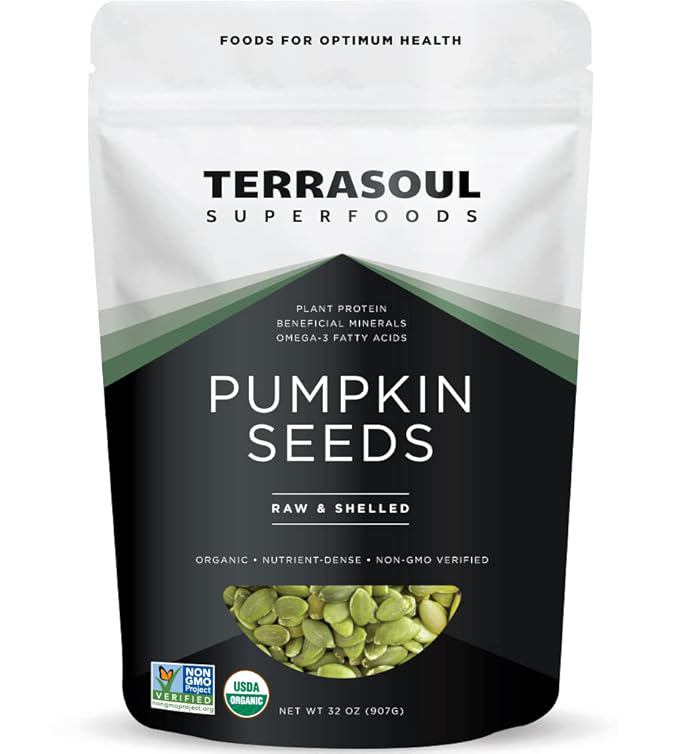
Pumpkin seeds are a concentrated source of zinc, a mineral involved in neurotransmitter function and stress response, and tryptophan, an amino acid that serves as a precursor to serotonin. When serotonin levels are adequate, mood tends to feel more even, and sleep may improve — both critical for emotional regulation.
A handful of raw or lightly roasted pumpkin seeds as a snack or added to salads delivers these nutrients without much effort. Dietitians note that zinc deficiency, in particular, is common and can mimic or worsen mood symptoms, so even modest amounts from food can make a difference over time.
Bridging the gap between nutrition and therapy isn't about perfection. The foods listed above are straightforward additions that support the biological underpinnings of emotional regulation. For anyone in therapy, pairing consistent, balanced eating with the emotional work done in sessions can create a foundation where progress feels sustainable. Always check with your healthcare provider before making significant dietary changes, and remember that food is only one part of a larger picture that includes rest, movement, therapy, and connection.