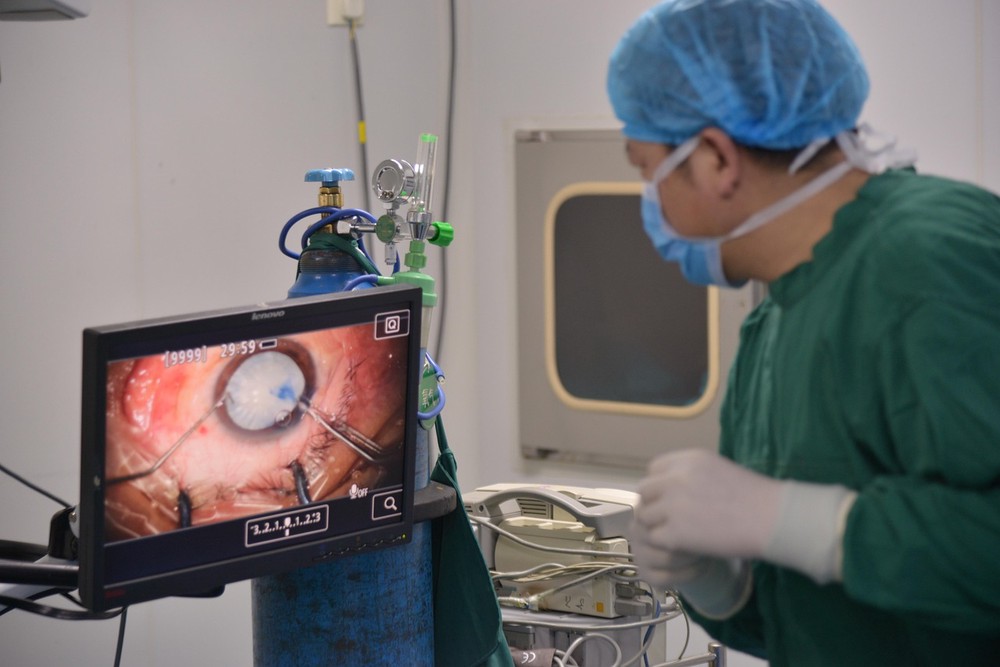
Recovering from surgery involves a lot more than wound healing and regaining mobility. For many people, restoring a healthy sex life is an important—and sensitive—part of the journey. Surgery, especially in the pelvic area, can temporarily affect nerve function, blood flow, and hormone balance, all of which play a role in sexual response. While no food is a magic bullet, research suggests that certain nutrients may help support the body's natural repair processes and contribute to better sexual function over time.
Below are six categories of foods that provide targeted nutritional support for circulation, nerve health, and hormonal equilibrium—key areas that influence sexual recovery.
1. Foods rich in nitric oxide boosters for blood flow
Healthy blood flow is essential for sexual arousal and sensation. Nitric oxide helps dilate blood vessels, improving circulation to the genitals. Leafy greens like spinach, arugula, and kale are packed with nitrates, which the body converts into nitric oxide. Beets, pomegranates, and watermelon (especially the rind) are other excellent choices. A diet that includes these foods daily can help maintain vascular flexibility and support healthy erectile function and lubrication.
2. Zinc-rich foods for tissue repair and hormone production
Zinc is a critical mineral for wound healing, immune function, and the production of sex hormones like testosterone. Oysters are the most well-known source, but you can also find zinc in beef, pumpkin seeds, chickpeas, and cashews. Adequate zinc intake may help restore libido and support the repair of surgical incisions or internal scar tissue, especially in gynecological or urological surgeries.
3. Omega-3 fatty acids to reduce inflammation and support nerves
Omega-3s, found in fatty fish such as salmon, sardines, and mackerel, are known for their anti-inflammatory properties. Surgery creates inflammation, and reducing it can help nerves heal and function properly. Flaxseeds, chia seeds, and walnuts offer plant-based alpha-linolenic acid (ALA), though the marine forms are more potent for nerve repair. For patients recovering from prostate or pelvic surgery, omega-3s may help preserve nerve function involved in erection and sensation.
4. Vitamin C-packed foods for collagen and circulation
Vitamin C is a cofactor for collagen synthesis, which is essential for rebuilding connective tissues damaged during surgery. It also strengthens capillary walls, improving microcirculation. Bell peppers, citrus fruits, strawberries, kiwi, and broccoli are all excellent sources. A steady supply of vitamin C helps the body repair surgical incisions and supports the delicate blood vessels that supply erectile tissue.
5. Healthy fats for hormone balance
Sex hormones are synthesized from cholesterol, so consuming quality fats is vital for maintaining healthy levels. Avocados, olive oil, nuts, and seeds provide the building blocks for hormone production. Avoiding trans fats and highly processed oils can also reduce oxidative stress, which can impair nerve and endothelial function. A diet with moderate healthy fats helps sustain sex drive and stable energy levels during recovery.
6. Magnesium-rich foods for relaxation and nerve signaling
Magnesium plays a role in hundreds of biochemical reactions, including nerve transmission and muscle relaxation—both critical for sexual response. Dark chocolate (70% cocoa or higher), almonds, spinach, black beans, and bananas are good sources. After surgery, stress and tension can interfere with arousal; magnesium helps calm the nervous system and may reduce involuntary muscle tightness in the pelvic floor.
How to integrate these foods into your recovery
There is no single “sex recovery” meal plan, but combining these foods throughout the week can add up. A smoothie with spinach, banana, chia seeds, and berries covers several categories at once. A salmon salad with arugula, bell peppers, and pumpkin seeds is another powerful option. Aim to eat whole, unprocessed foods most of the time, and stay well hydrated—dehydration can worsen fatigue and reduce lubrication.
If you are on blood-thinning medication (like warfarin) or have dietary restrictions, speak with your healthcare provider before making major changes, especially with vitamin K-rich greens or high-dose supplements. The recovery timeline varies, so be patient with your body and prioritize overall nutritional adequacy.
Start with small, daily additions rather than trying to overhaul your entire diet. Consistency over weeks and months will likely yield the most meaningful improvements in energy, healing, and sexual well-being.