Menopause brings a cascade of hormonal shifts, and for many, a noticeable dip in libido is one of the most frustrating changes. While there's no magic pill, the foods you eat can play a meaningful supporting role. Dietitians point to specific nutrients—healthy fats, key amino acids, and circulation-boosting compounds—that may help gently nudge desire and comfort back in the right direction. Here are six dietitian-approved foods to consider adding to your plate.
1. Fatty Fish: Omega‑3s for Blood Flow and Mood
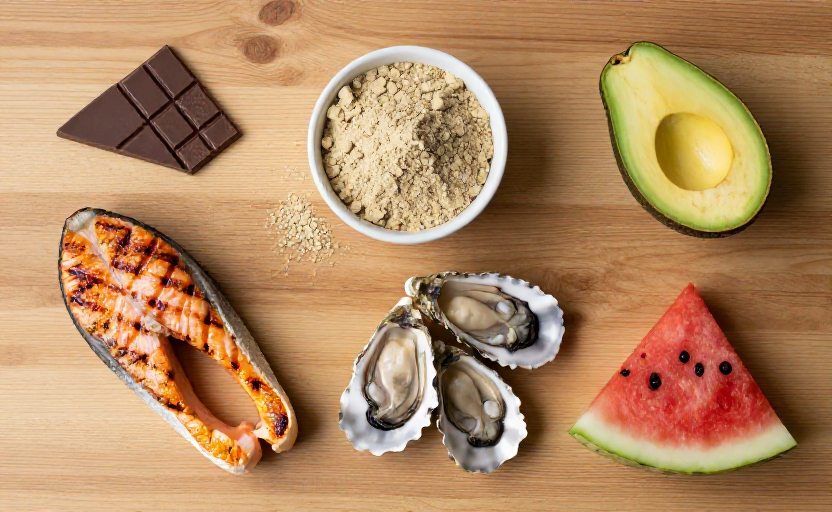
Salmon, mackerel, sardines, and other cold-water fish are rich in omega‑3 fatty acids. These fats support cardiovascular health, which is essential for good blood flow everywhere—including to the pelvic region. Better circulation can improve arousal and sensitivity. Omega‑3s also help stabilize mood, which matters when anxiety or low mood is putting a damper on desire. Aim for two servings per week.
2. Dark Chocolate: Magnesium and a Feel-Good Lift
Dark chocolate (70% cocoa or higher) contains magnesium, a mineral that helps relax blood vessels and muscles. It also triggers a gentle release of serotonin and phenylethylamine, compounds tied to pleasure and mild euphoria. A small square isn't a cure-all, but it can be a sensory, stress‑relieving ritual that sets a supportive tone.
3. Maca Root: An Adaptogen with Historical Use
Maca, a root vegetable from Peru, is classified as an adaptogen—it helps the body handle stress. Some small studies and traditional use suggest it may improve sexual desire in postmenopausal women, possibly by balancing cortisol levels. Look for gelatinized maca powder (easier to digest) and add a teaspoon to smoothies, oatmeal, or yogurt. Effects typically take several weeks to appear.
4. Oysters and Zinc-Rich Foods
Oysters are famously linked to libido, and for good reason: they're one of the best dietary sources of zinc. Zinc is critical for hormone production, including testosterone, which plays a role in desire for women as well as men. If oysters aren't your thing, pumpkin seeds, beef, chickpeas, and cashews also deliver meaningful zinc.
5. Watermelon: L‑Citrulline for Circulation
Watermelon contains L‑citrulline, an amino acid that helps relax blood vessels and improve blood flow—similar to the mechanism behind some popular erectile dysfunction medications, but much gentler. Better blood flow can enhance arousal and sensitivity. Eat it fresh or drink a small glass of watermelon juice (no added sugar) as a refreshing, hydrating snack.
6. Avocado: Healthy Fats and Vitamin B6
Avocado is rich in monounsaturated fats that support hormone production and help the body absorb fat‑soluble vitamins. It also provides vitamin B6, which helps manage stress hormones and may ease some menopausal mood swings. Spread it on whole-grain toast, blend it into smoothies, or enjoy it in a salad for a steady energy boost.
A quick caveat: Food is supportive, not a prescription. These ingredients work best as part of a varied diet that includes enough protein, fiber, and hydration. If low libido is persistent or causing distress, it's worth talking with a healthcare provider—sometimes vaginal dryness, medication side effects, or thyroid issues are the real culprits.
Small, consistent dietary tweaks can help your body feel more balanced. While no single food will instantly revive your sex drive, these six choices offer real nutritional support for the complex factors—blood flow, mood, hormone balance—that influence desire.