
If you live with diabetes, you know the daily balancing act: keep blood sugar steady, monitor your feet, and stay on top of endless small choices. One of the most worrisome long-term complications is diabetic neuropathy — nerve damage that can cause numbness, tingling, burning sensations, and pain, most often in the hands and feet. It's a signal that years of high blood sugar have begun to affect the tiny blood vessels that feed your nerves.
While there is no food that can reverse established nerve damage, a growing body of research — and what dietitians see in practice — suggests that certain foods might help slow the progression of neuropathy by reducing inflammation, improving blood flow, and repairing the protective coating around your nerves. Here are six foods that registered dietitians frequently recommend for supporting nerve health when you have diabetes.
What does food have to do with nerve damage?
Think of your nerves as electrical wires. The outer coating — the myelin sheath — is like the plastic insulation around a wire. Chronically high blood sugar damages that insulation and the tiny blood vessels that supply oxygen and nutrients to the nerve itself. Over time, communication between the nerve and your brain becomes disrupted.
This is where diet steps in. Certain foods provide specific vitamins, antioxidants, and healthy fats that help protect and repair myelin, reduce inflammation, and improve circulation. Dietitians emphasize that these foods work best as part of an overall blood-sugar-friendly eating pattern, not as a standalone cure.
Quick caveat: Always talk to your healthcare team before making major dietary changes, especially if you take medication for diabetes or nerve pain. These foods are supportive, not a substitute for prescribed treatment.
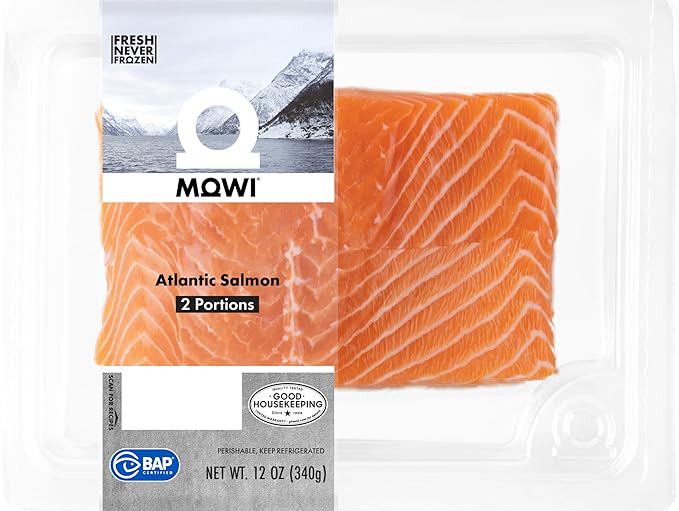
1. Fatty fish (salmon, mackerel, sardines)
Fatty fish are rich in omega-3 fatty acids, especially EPA and DHA. These polyunsaturated fats have powerful anti-inflammatory effects throughout the body, including in the nervous system. For people with diabetic neuropathy, chronic low-grade inflammation is a key driver of nerve damage progression.
How it helps: Omega-3s may help reduce inflammation in the nerves and improve blood flow to the small vessels that nourish them. Some research suggests that higher omega-3 intake is linked to a lower risk of developing neuropathy in the first place. Dietitians recommend at least two servings of fatty fish per week.
Serving idea: A simple grilled salmon fillet with a side of leafy greens is a dinner that supports both blood sugar control and nerve health.
2. Leafy green vegetables (spinach, kale, collard greens)
These vegetables are nutrient-dense powerhouses, but for nerve health, one vitamin stands out: vitamin B9, also known as folate. Folate is critical for the production of red blood cells and for the synthesis of DNA and RNA, but it also plays a role in maintaining the myelin sheath.
How it helps: Low folate levels have been associated with an increased risk of peripheral neuropathy. Greens also deliver magnesium, a mineral that supports nerve function and may help reduce the muscle cramps and spasms that sometimes accompany neuropathy.
Serving idea: Add a handful of fresh spinach to a morning smoothie, or sauté kale with garlic and olive oil as a side dish.
3. Berries (blueberries, strawberries, blackberries)
Berries are packed with antioxidants called anthocyanins, which give them their deep colors. Antioxidants neutralize harmful molecules called free radicals that accumulate when blood sugar is high. Unchecked free radical activity is one of the mechanisms that damages nerves over time.
How it helps: By reducing oxidative stress, berries may help protect nerve cells from further injury. Some preliminary research indicates that berry consumption could even support the regrowth of damaged nerve tissue in animal models, though human studies are needed.
Serving idea: Top a bowl of plain Greek yogurt with a handful of mixed berries for a snack that pairs protein with protective antioxidants.
4. Nuts and seeds (walnuts, flaxseeds, chia seeds)
Nuts and seeds are another excellent source of anti-inflammatory omega-3 fatty acids, particularly the plant-based type (alpha-linolenic acid, or ALA). They also provide vitamin E, a fat-soluble antioxidant that protects cell membranes — including the fatty membranes of nerve cells.
How it helps: Vitamin E deficiency can itself lead to nerve damage, so ensuring adequate intake is important. Walnuts and flaxseeds also contain compounds that may improve blood vessel flexibility, supporting circulation to your extremities.
Serving idea: Sprinkle ground flaxseeds or chia seeds over oatmeal or a salad. A small handful of walnuts makes a good standalone snack.
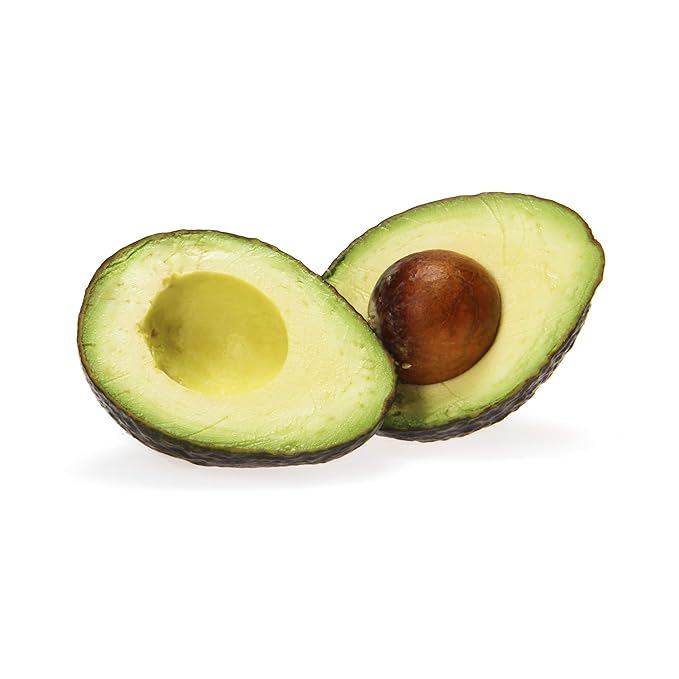
5. Avocados
Avocados are rich in monounsaturated fats and a unique combination of vitamins — particularly vitamin E, vitamin C, and various B vitamins (including B6 and folate). They are also low in carbohydrates, making them an ideal food for people managing blood sugar.
How it helps: The healthy fats in avocados support the structural integrity of cell membranes, including those around nerve cells. The vitamin E content provides antioxidant protection, while B vitamins are cofactors in the enzymatic reactions that maintain nerve function.
Serving idea: Mash half an avocado on whole-grain toast with a pinch of red pepper flakes. Or add sliced avocado to a salad or a lettuce wrap.
6. Legumes (lentils, chickpeas, black beans)
Legumes are an excellent plant-based source of protein and fiber. They have a low glycemic index, meaning they cause a slow, steady rise in blood sugar rather than a sharp spike. Stable blood sugar is the single most important dietary factor in slowing nerve damage.
How it helps: Legumes are also naturally rich in B vitamins, including thiamine (B1), which is sometimes depleted in people with poorly controlled diabetes. Thiamine deficiency can cause a specific type of nerve damage called beriberi, and some studies suggest that maintaining thiamine levels may help prevent diabetic neuropathy.
Serving idea: A lentil soup seasoned with turmeric and black pepper makes a warming, blood-sugar-stable meal. Chickpeas can be roasted for a crunchy snack.
Putting it all together — a nerve-supportive plate
No single food is a magic bullet, but when these foods are combined in an overall pattern of balanced meals, they create an environment that supports nerve health. Registered dietitians encourage people to think in terms of patterns: a plate that includes a fatty fish or legume protein, a generous portion of leafy greens or other non-starchy vegetables, a small serving of berries or other fruit, and a source of healthy fat (like avocado or a drizzle of olive oil).
Equally important is what to minimize — heavily processed foods, sugary drinks, and refined grains. These foods cause blood sugar spikes and increase inflammation, directly counteracting the protective effects of the foods above.
The bottom line: Diabetic neuropathy is a serious complication, but it isn't a random event. You have meaningful influence over its progression through the choices you make at each meal. These six foods, chosen consistently, can help your body protect and care for its own delicate nerve network.