
When mental exhaustion sets in—that heavy, foggy feeling where even small decisions feel like a chore—it is tempting to reach for caffeine, sugar, or whatever is fastest. But what you eat can either amplify that drained feeling or gently help lift it. Certain foods contain nutrients that support the brain's energy metabolism, neurotransmitter production, and stress-response systems. Here are six foods that can help stabilize mood when you feel mentally drained, backed by nutrition science and presented in a way that fits a real-life kitchen.
Dark leafy greens for folate and magnesium
Spinach, kale, Swiss chard, and collard greens are rich in folate (a B vitamin) and magnesium. Folate is needed for the production of dopamine and serotonin—two neurotransmitters that directly influence mood and motivation. Magnesium helps regulate the hypothalamus, the part of the brain that controls the stress response. When you are mentally exhausted, magnesium levels can drop, making it harder to relax. A simple lunch salad or a handful of greens stirred into soup can provide steady support without a sugar crash.
Fatty fish for omega-3s and vitamin D
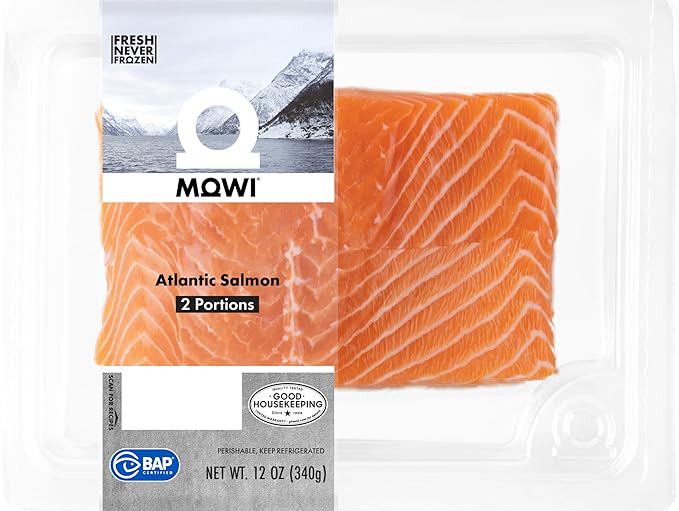
Salmon, mackerel, sardines, and anchovies are dense sources of long-chain omega-3 fatty acids (EPA and DHA). These fats are structural components of brain cell membranes and have anti-inflammatory effects that protect neural pathways. Low omega-3 levels are linked to higher rates of depression and anxiety. Vitamin D, also found in fatty fish, plays a role in mood regulation and energy production. A serving of grilled salmon twice a week is a practical target, but even canned sardines on toast can make a difference.
Aim for two servings of fatty fish per week as part of a balanced diet—your brain will thank you.
Berries for antioxidants and vitamin C
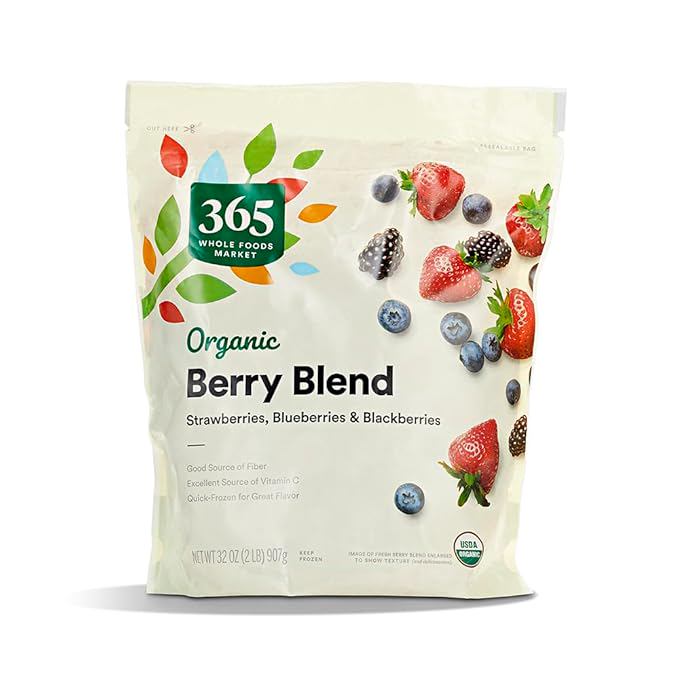
Blueberries, strawberries, blackberries, and raspberries are packed with anthocyanins and other flavonoids that help reduce oxidative stress in the brain. When you are mentally drained, your brain is under metabolic strain; antioxidants can help clear out the cellular waste that contributes to brain fog. Vitamin C in berries also supports the adrenal glands during stress. A handful of frozen berries added to oatmeal or yogurt is an easy, year-round option.
Whole grains for steady glucose and B vitamins
Oats, quinoa, brown rice, and whole-grain bread provide complex carbohydrates that release glucose slowly into the bloodstream. A steady blood sugar level prevents the energy dips that worsen mood swings and irritability. These grains also supply B vitamins (thiamine, niacin, B6) that are cofactors in the production of serotonin and energy metabolism. A warm bowl of oatmeal with berries and nuts is a simple, grounding meal that supports a calm, stable mood.
Nuts and seeds for zinc, selenium, and healthy fats
Walnuts, almonds, pumpkin seeds, and flaxseeds are concentrated sources of zinc, selenium, and plant-based omega-3s. Zinc deficiency is common in people with low mood and fatigue; it is critical for nerve signaling and brain function. Selenium helps protect the brain from oxidative damage. A small handful of nuts or a tablespoon of seeds added to a smoothie or salad can be an easy way to get these nutrients without extra effort.
Fermented foods for gut-brain connection
Yogurt, kefir, sauerkraut, kimchi, and miso contain live probiotics that support a healthy gut microbiome. The gut and brain communicate through the vagus nerve and through neurotransmitter production (much of the body's serotonin is made in the gut). When the gut microbiome is out of balance, it can contribute to mood disturbances and fatigue. Including a serving of fermented food daily—such as a small cup of plain kefir or a side of kimchi—can help maintain that gut-brain harmony.
A note on when to eat
Timing matters less than consistency. When you are mentally drained, it is more important to eat something nourishing than to follow a strict schedule. A small, balanced snack (like an apple with almond butter or a piece of salmon on whole-grain crackers) can help stabilize mood without overwhelming your digestive system.
No single food will fix mental exhaustion overnight, but pairing these nutrient-dense choices with adequate sleep, hydration, and stress management can make a real difference over time. Think of food as one tool in your self-care kit—gentle, steady, and supportive.