If your skin feels tight, irritated, or unusually dry after washing, you may be over-cleansing. Stripping the skin's natural barrier can lead to redness, flakiness, and sensitivity. While adjusting your routine is the first step, dietitians point out that certain foods can help calm and repair skin from the inside out. Here are six science-backed foods that can support skin recovery when you've gone too far with the cleanser.
Why over-cleansing hurts your skin
Your skin's outermost layer, the stratum corneum, acts as a protective shield. Harsh cleansers or washing too frequently can strip away natural oils and beneficial microbes. This weakens the barrier, allowing moisture to escape and irritants to enter. The result is often a compromised skin barrier—angry, dehydrated, and prone to breakouts or stinging. Dietitians explain that eating the right nutrients can give your skin the building blocks it needs to repair that barrier and calm inflammation.
1. Oatmeal
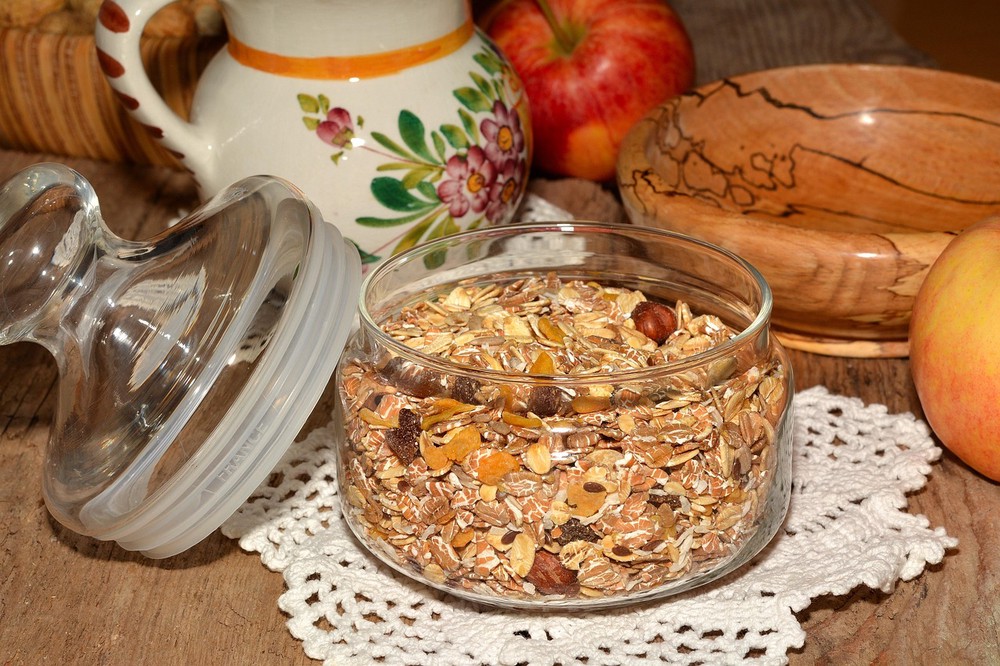
Oatmeal is well-known for its topical soothing properties, but eating it works wonders too. Whole oats contain avenanthramides, antioxidant compounds that reduce inflammation and itching. A bowl of warm oatmeal supplies beta-glucan, a soluble fiber that forms a gel-like substance in the gut and supports the immune system. When your skin is inflamed from over-washing, the anti-inflammatory effects of oatmeal can help quiet the response internally. Try a warm bowl of steel-cut or rolled oats for breakfast, but skip the instant packets loaded with sugar.
2. Fatty fish
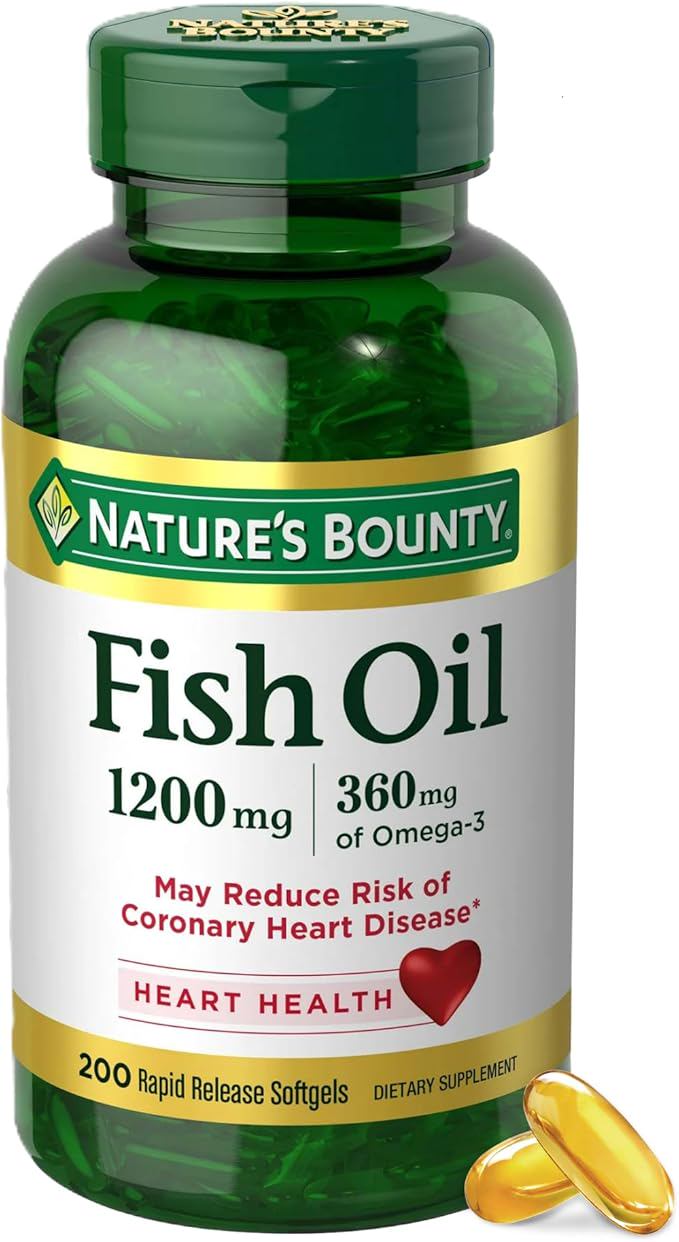
Salmon, mackerel, sardines, and anchovies are rich in omega-3 fatty acids (EPA and DHA). These fats are incorporated into cell membranes and help produce lipid-based anti-inflammatory molecules called resolvins. According to dietitians, omega-3s play a crucial role in reducing the redness and swelling that accompany a damaged skin barrier. A serving of fatty fish two to three times per week can supply the fats your skin needs to rebuild its protective layer. For those who don't eat fish, algae-based omega-3 supplements are an alternative, but whole food sources are preferred.
3. Avocado
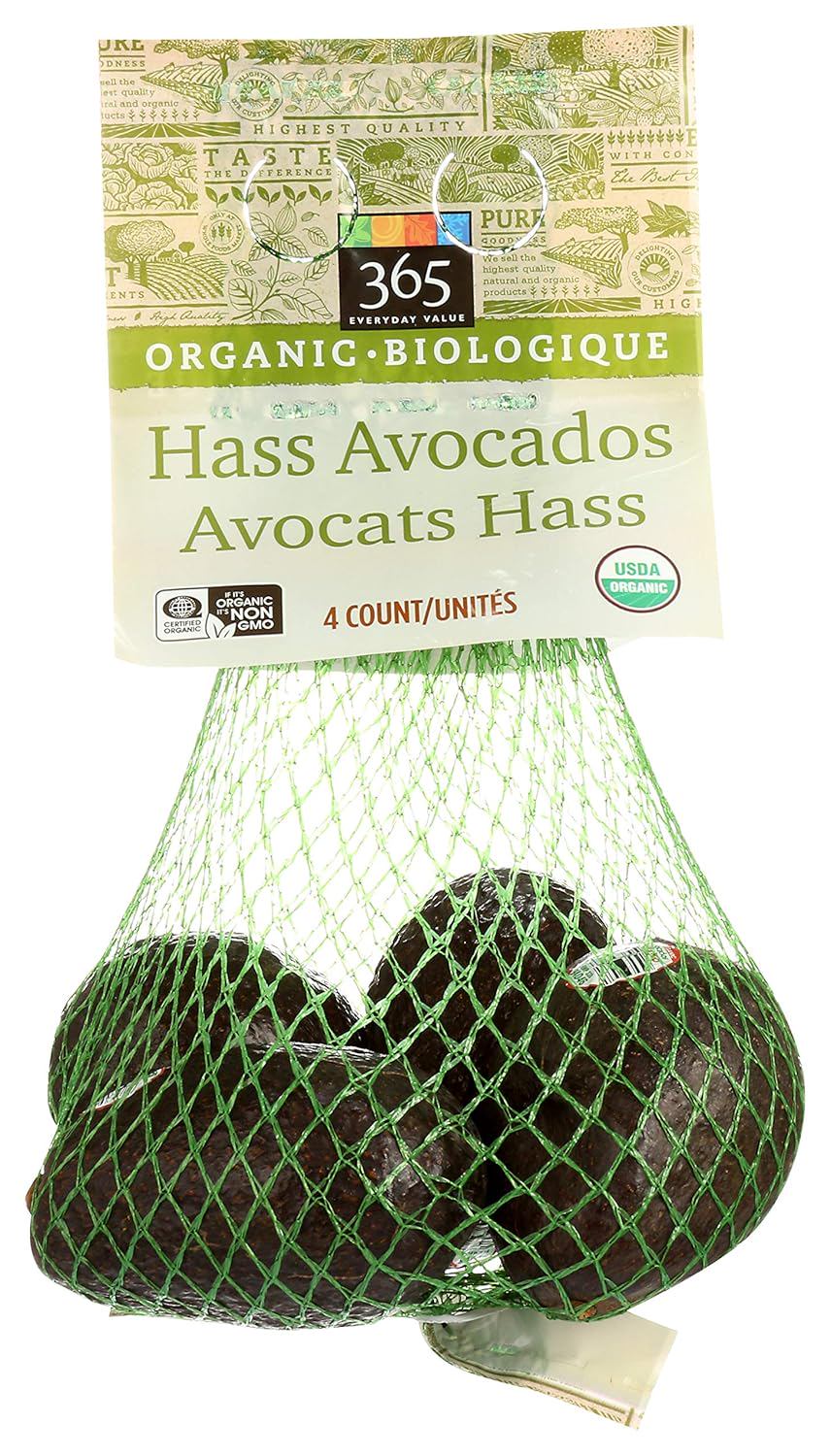
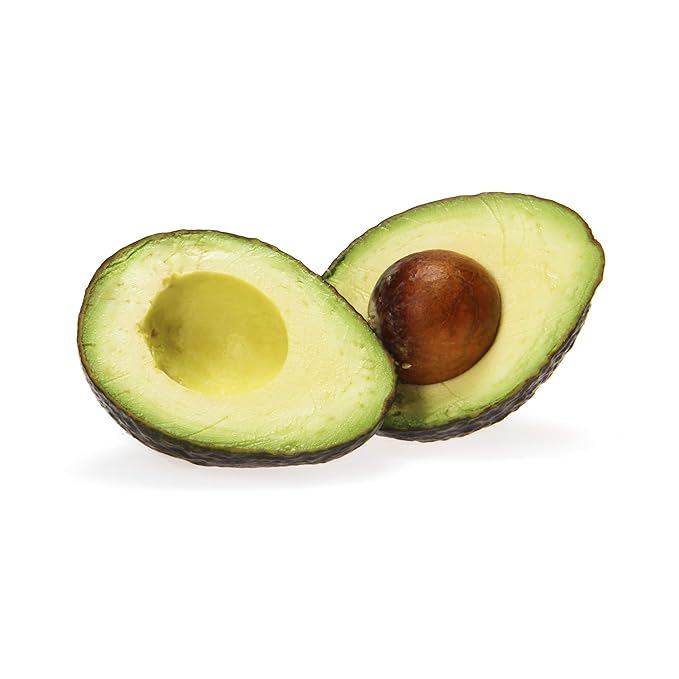
This creamy fruit is packed with monounsaturated fats, vitamin E, and vitamin C. Vitamin E is a fat-soluble antioxidant that protects skin cell membranes from oxidative stress, while vitamin C supports collagen synthesis. The healthy fats in avocado help restore the lipid barrier that harsh cleansing strips away. Dietitians note that eating avocado with a source of protein or complex carbs can enhance nutrient absorption. Slice it onto toast, blend into smoothies, or add to salads for a skin-soothing boost.
4. Sweet potatoes
Sweet potatoes are one of the richest food sources of beta-carotene, which the body converts to vitamin A. Vitamin A is essential for skin cell turnover and repair. When the barrier is compromised, adequate vitamin A helps normalize the shedding process and supports the production of healthy new cells. Beta-carotene also acts as an antioxidant, protecting skin from environmental damage that can worsen irritation. A medium baked sweet potato provides more than enough beta-carotene to meet daily needs. Roast them with a drizzle of olive oil for a side dish that feeds your skin.
5. Green tea
Green tea contains polyphenols, particularly epigallocatechin gallate (EGCG), which have strong anti-inflammatory and antioxidant properties. Dietitians recommend green tea for calming skin conditions aggravated by over-cleansing. EGCG has been shown to reduce redness and help regulate sebum production, which can become unbalanced when you strip away natural oils. Drinking two to three cups of unsweetened green tea daily can provide a steady supply of these protective compounds. Let it cool and use it as a gentle facial rinse if you want a topical approach, but drinking it delivers systemic benefits.
6. Walnuts
Walnuts are unique among nuts because they contain a notable amount of alpha-linolenic acid (ALA), a plant-based omega-3 fatty acid. They also provide copper and biotin, two nutrients that support healthy skin structure and function. Copper aids in the formation of collagen and elastin, while biotin supports the metabolism of fatty acids needed for the skin barrier. A small handful of walnuts as a snack can supply these skin-friendly nutrients. Dietitians caution that walnuts are calorie-dense, so stick to a quarter-cup serving per day.
How to combine these foods for best results
Eating these foods regularly, rather than as a one-time fix, is what makes the difference. Pair oatmeal with walnuts for breakfast, enjoy a spinach salad with avocado and salmon for lunch, and snack on sweet potato wedges in the afternoon. Sip green tea throughout the day. Consistency matters more than quantity—your skin cells turn over roughly every 28 days, so give your diet at least a few weeks to reflect in your skin's appearance and feel.
Quick tip: Stay hydrated with plain water, and avoid sugary drinks and excessive alcohol, which can worsen inflammation and dehydration.
When to see a dermatologist
While these foods support healing, diet alone cannot reverse severe barrier damage. If your skin remains painful, cracked, or persistently red despite adjusting your cleansing routine and diet, consult a dermatologist. They can assess for underlying conditions such as eczema, rosacea, or contact dermatitis, which require targeted treatment. Dietitians and dermatologists agree that a holistic approach—gentle skincare, anti-inflammatory nutrition, and professional guidance—works best for soothing over-cleansed skin.