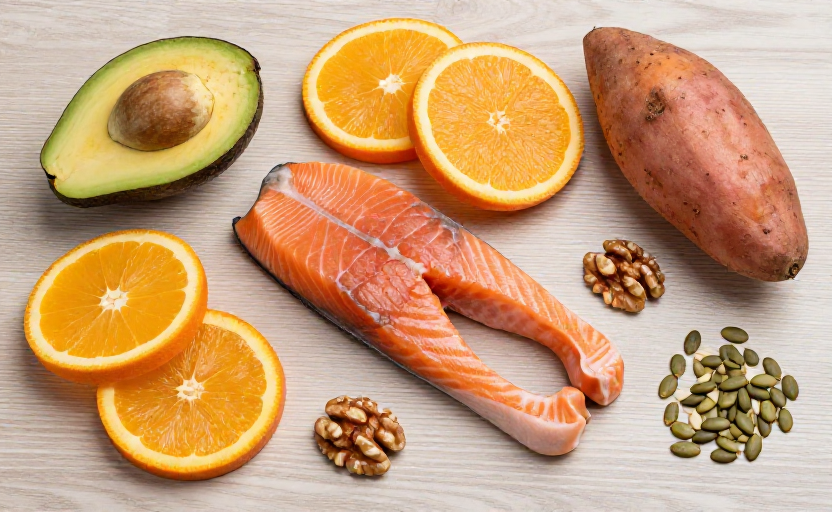
Over-exfoliating can leave your skin feeling raw, tight, and visibly irritated. When you strip away the skin barrier faster than it can repair itself, the result is often redness, flaking, and increased sensitivity. While pausing physical and chemical exfoliants is essential, what you put on your plate matters just as much as what you put on your face. Dietitians point to specific nutrients — particularly healthy fats, zinc, vitamin C, and protein — that support the skin's structural repair. Here are six foods that can help your skin bounce back after a bout of over-exfoliation.
Salmon
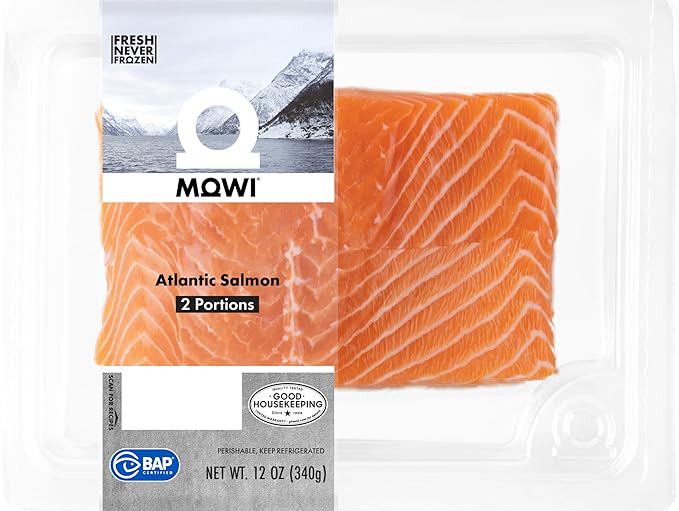
Salmon is rich in omega-3 fatty acids, which help calm inflammation and support the lipid barrier that keeps moisture in and irritants out. Dietitians recommend fatty fish like salmon because they also provide high-quality protein — the building block for collagen and new skin cells. A 3-ounce serving of wild salmon covers your daily needs for vitamin D, another nutrient involved in skin repair.
Avocados
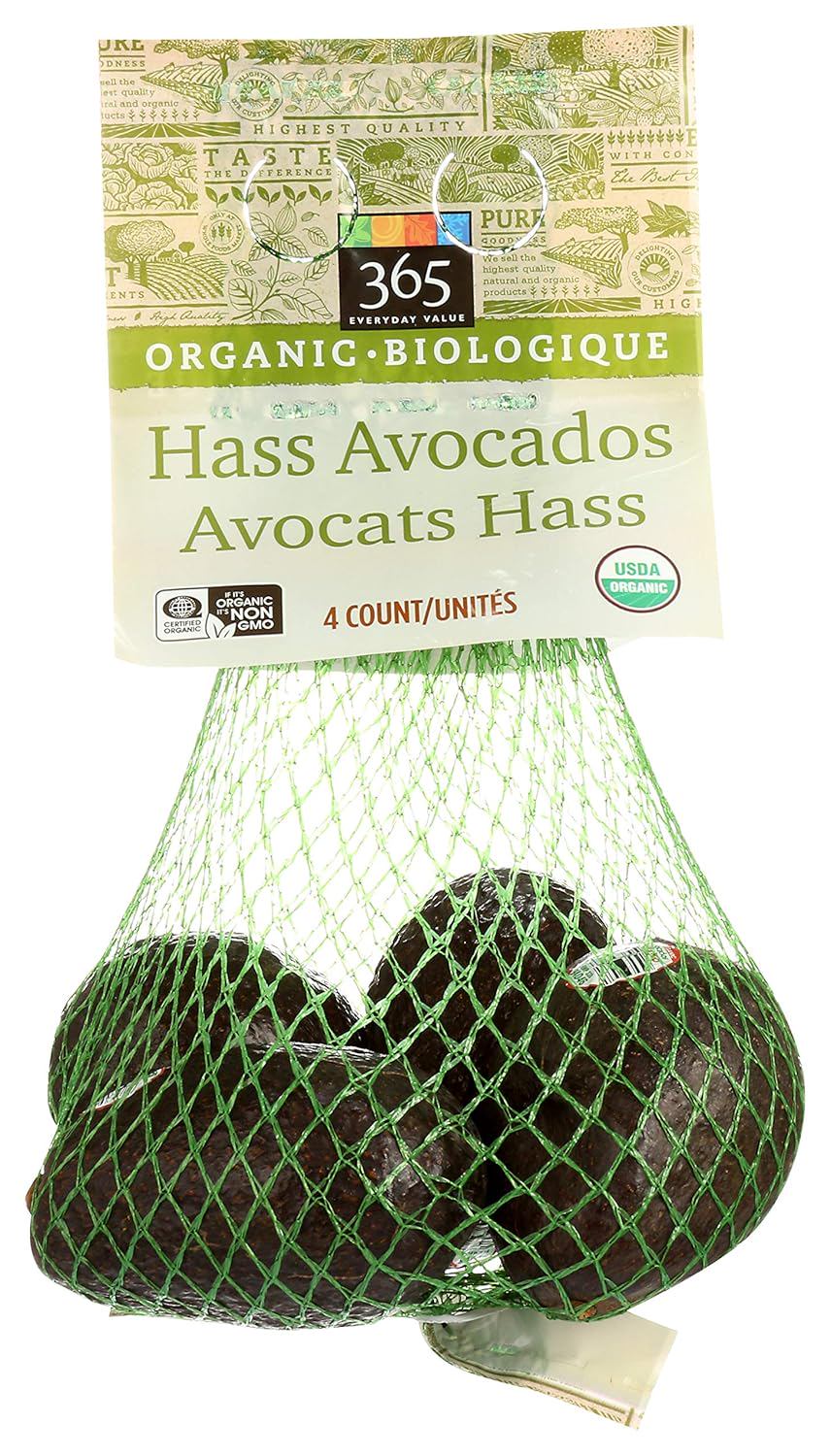
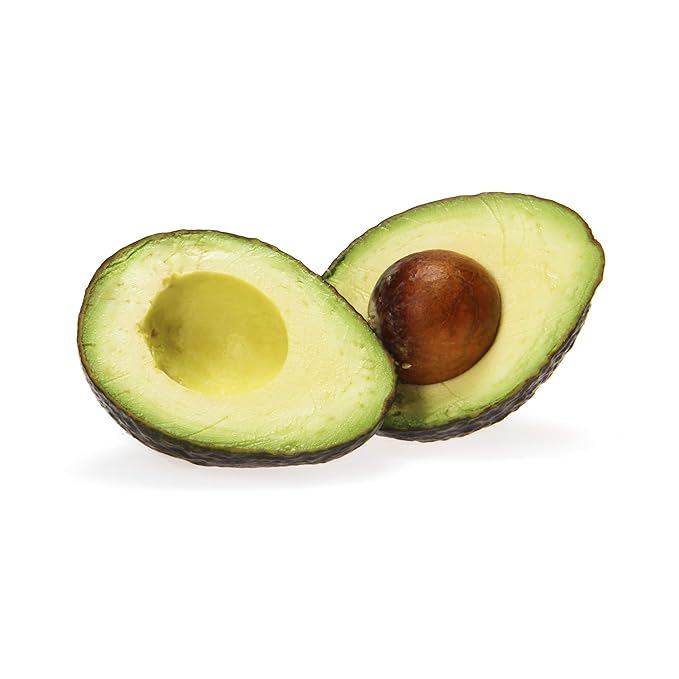
Avocados deliver monounsaturated fats and vitamin E, two nutrients that play a direct role in maintaining skin integrity. Vitamin E acts as an antioxidant that protects skin cell membranes from further damage, while healthy fats help restore the oily layer that exfoliation can strip away. Pairing avocado with a vitamin C source — like squeezing lemon over it — can boost collagen synthesis even further.
Sweet Potatoes
Beta-carotene, the orange pigment in sweet potatoes, converts to vitamin A in the body. Vitamin A is essential for normal skin cell turnover and healing. When you have over-exfoliated, gentle, steady cell renewal is exactly what your skin needs. Eating sweet potatoes provides a steady supply of this precursor without the risks associated with high-dose retinol treatments on already sensitized skin.
Walnuts
Walnuts are one of the few plant foods that contain a notable amount of omega-3 alpha-linolenic acid. They also supply copper, a trace mineral required for collagen cross-linking and elastin formation. A small handful of walnuts each day can contribute to the structural support your skin needs while it repairs itself from micro-tears caused by over-scrubbing.
Citrus Fruits
Oranges, grapefruits, and kiwis are well known for their vitamin C content, but their value goes beyond general immunity. Vitamin C is a co-factor for the enzymes that produce collagen — the protein scaffold that gives skin its firmness and resilience. After over-exfoliation, ramping up vitamin C intake through whole fruits can help your body lay down new collagen more efficiently. Unlike topical vitamin C, which can sting on compromised skin, dietary sources are gentle and systemically supportive.
Pumpkin Seeds
Pumpkin seeds are one of the richest natural sources of zinc, a mineral that directly supports wound healing and reduces inflammation. Zinc also helps regulate oil production and can calm the acne-like breakouts that sometimes follow over-exfoliation. Dietitians suggest sprinkling pumpkin seeds on oatmeal or salads for an easy, skin-supporting crunch.
Rebuilding skin after over-exfoliation takes patience, but the right foods can speed up the repair process by providing the raw materials your skin needs. Combined with a gentle skincare routine and plenty of water, these six foods offer a practical, dietitian-approved way to restore your skin's comfort and glow.