You may not think about the connection between what's on your plate and how you hold yourself during the day, but research increasingly points to a direct link between systemic inflammation and the way you sit and stand. Chronic inflammation can stiffen your joints, tighten muscle tissue, and make it harder to maintain a neutral spine. While no single food is a cure-all, the right anti-inflammatory choices can support your joints, connective tissue, and muscle recovery—making good posture feel more natural.
Here are six specific foods that address inflammation at the cellular level. Incorporate them into your routine, and you may notice it becomes easier to sit up straighter, move without stiffness, and feel more comfortable in your body.
1. Fatty fish rich in omega-3s
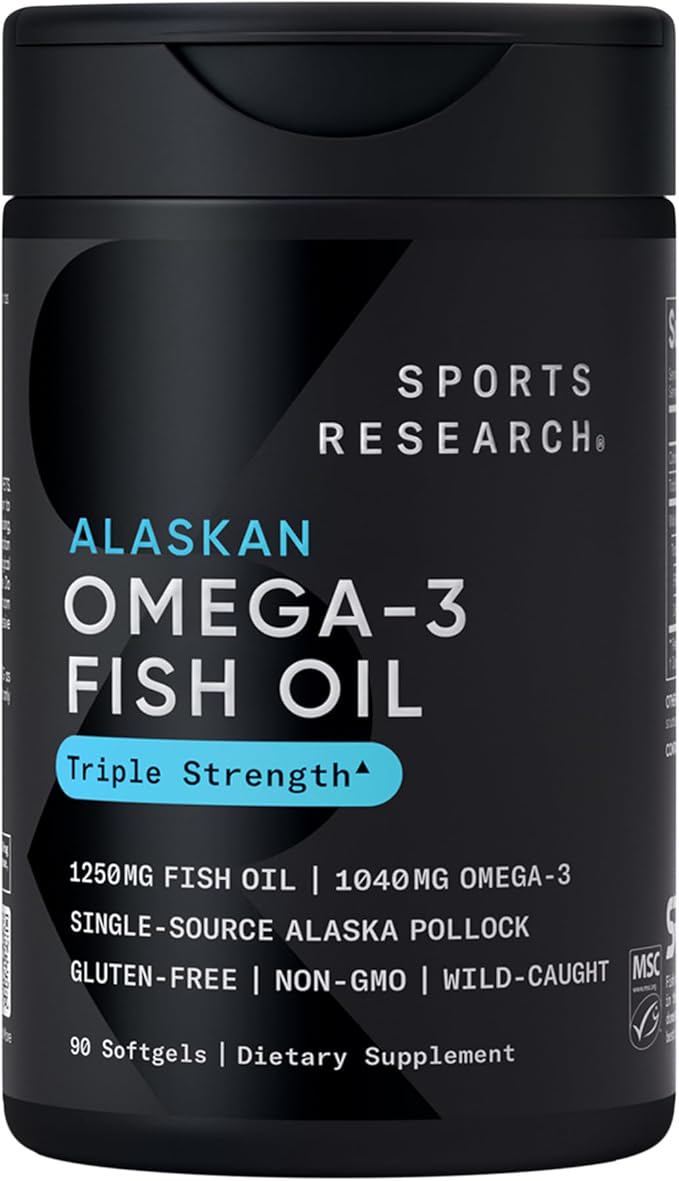
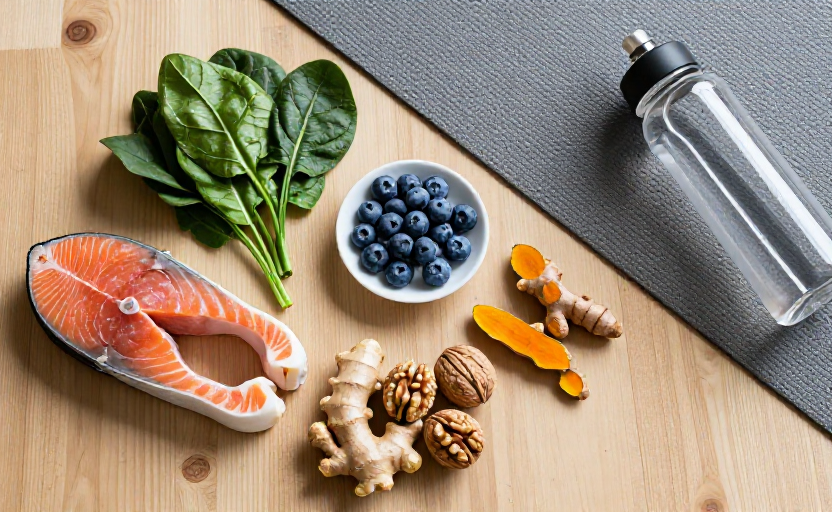
Salmon, mackerel, sardines, and anchovies are packed with long-chain omega-3 fatty acids (EPA and DHA). These compounds help reduce the production of inflammatory molecules called cytokines. Less systemic inflammation means less swelling in your joints and less tension in the muscles that support your spine. Aim for two servings of fatty fish per week, or consider a high-quality fish oil supplement if you don't eat fish often.
2. Leafy greens like spinach and kale
Dark leafy greens are loaded with vitamin K, which plays a role in regulating inflammatory proteins. They also provide magnesium—a mineral that helps muscles relax. When your back, hip, and shoulder muscles aren't chronically tight, it is much easier to hold a tall, aligned posture. Spinach, kale, Swiss chard, and collard greens all fit the bill. Eat them raw in salads, sautéed as a side, or blended into smoothies.
3. Berries for antioxidant power
Blueberries, strawberries, raspberries, and blackberries are rich in anthocyanins—antioxidants that reduce oxidative stress and inflammation. Oxidative stress can damage cells in your tendons and ligaments, making it harder for your body to support your frame. By neutralizing free radicals, berries help protect the structural integrity of your connective tissues. A handful of frozen berries in oatmeal or yogurt is an easy daily addition.
4. Turmeric and black pepper
Curcumin, the active compound in turmeric, is one of the most studied anti-inflammatory substances in food. However, it is poorly absorbed on its own. Pairing turmeric with black pepper (which contains piperine) increases curcumin absorption by up to 2,000%. This combination can reduce joint inflammation and stiffness. Add turmeric to soups, stews, golden milk lattes, or scrambled eggs—just don't forget the black pepper.
5. Nuts and seeds
Almonds, walnuts, flaxseeds, and chia seeds are rich in healthy fats, fiber, and anti-inflammatory compounds. Walnuts, in particular, contain alpha-linolenic acid (ALA), a plant-based omega-3. These foods also provide vitamin E, which protects cells from oxidative damage. When your muscles and joints are less inflamed, your body can settle into better alignment without compensation from tight or weak muscles. A small handful of nuts or a tablespoon of seeds daily is a reasonable serving.
6. Ginger in fresh or dried form
Ginger contains gingerol, a bioactive compound with potent anti-inflammatory and antioxidant effects. Research suggests it can reduce muscle pain after exercise and ease stiffness in conditions like osteoarthritis. Less soreness and stiffness in your back and shoulders makes it easier to maintain a neutral spine throughout the day. You can grate fresh ginger into tea, stir-fries, or salad dressings, or use dried ginger in baking and smoothies.
These six foods work best when they are part of a consistent, balanced eating pattern—not as quick fixes. Over time, reducing systemic inflammation can improve the way your body feels and functions, including how well you sit and stand. Pair them with regular movement, mindful posture habits, and good sleep for the best results.