
Leg swelling, medically known as peripheral edema, is a common and often distressing symptom for people managing heart conditions. When the heart's pumping efficiency weakens, fluid can pool in the lower extremities, leading to tightness, discomfort, and skin changes. While this symptom should always be discussed with your cardiologist, there are practical, expert-recommended strategies that can help manage fluid buildup and improve your daily comfort. This article offers six evidence-informed approaches to reducing leg swelling associated with common heart issues, focusing on safe, supportive habits rather than medical advice.
1. Elevate your legs strategically
Gravity is a powerful force in fluid accumulation, and counteracting it with elevation can provide noticeable relief. The goal is to position your legs above the level of your heart, which encourages venous return and helps shift pooled fluid back into circulation. For best results, lie flat on your back and prop your legs up on pillows or a foam wedge so that your feet are elevated about 6 to 12 inches above your chest. Aim for 15 to 20 minutes of elevation, three to four times daily. Avoid placing pillows directly behind the knee, as this can restrict circulation.
Quick tip: Use a recliner with a footrest for a practical way to achieve gentle elevation while reading or watching television.
2. Prioritize low-sodium eating
Sodium acts like a sponge in your body, holding onto water and exacerbating fluid retention. For individuals with heart conditions, reducing sodium intake is often the single most impactful dietary change. The American Heart Association recommends limiting sodium to 1,500 milligrams per day for most adults with cardiovascular concerns. This means moving beyond the salt shaker. Focus on whole foods—fresh fruits, vegetables, lean proteins, and whole grains—and read nutrition labels religiously, especially on canned soups, sauces, deli meats, and frozen dinners. Flavor your meals with herbs, spices, citrus, and vinegar instead of salt.
Hidden sources of sodium
Surprising high-sodium foods include bread, breakfast cereals, poultry injected with saline, and even some bottled salad dressings. Learning to identify these sources can make a meaningful difference in swelling.
3. Stay hydrated with water
It may sound counterintuitive to drink more water when you are trying to reduce fluid retention, but adequate hydration is critical for kidney function and fluid balance. When your body senses dehydration, it conserves water, potentially worsening edema. Clean, plain water is your best choice. Herbal teas and water-rich produce like cucumber and watermelon also contribute. Limit or avoid caffeinated and alcoholic beverages, as they can have a mild diuretic effect that, over time, may disrupt electrolyte balance.
4. Move your body (even just a little)
Physical activity activates the calf and foot muscles, which act as a pump to push blood and lymph fluid upward toward the heart. This is particularly important for people with sedentary jobs or reduced mobility. Gentle movement such as walking, stationary cycling, or seated leg exercises can stimulate circulation without overtaxing the cardiovascular system.
- Ankle pumps: While sitting, alternate pointing and flexing your feet. Repeat 20 times per foot.
- Seated marches: Lift one knee at a time as if you are marching while seated. Aim for two sets of ten repetitions.
- Short walks: A 10-minute walk after meals can promote both digestion and fluid movement.
Always speak with your doctor before beginning any new exercise program, especially if you have advanced heart failure or other complications.
5. Consider compression therapy
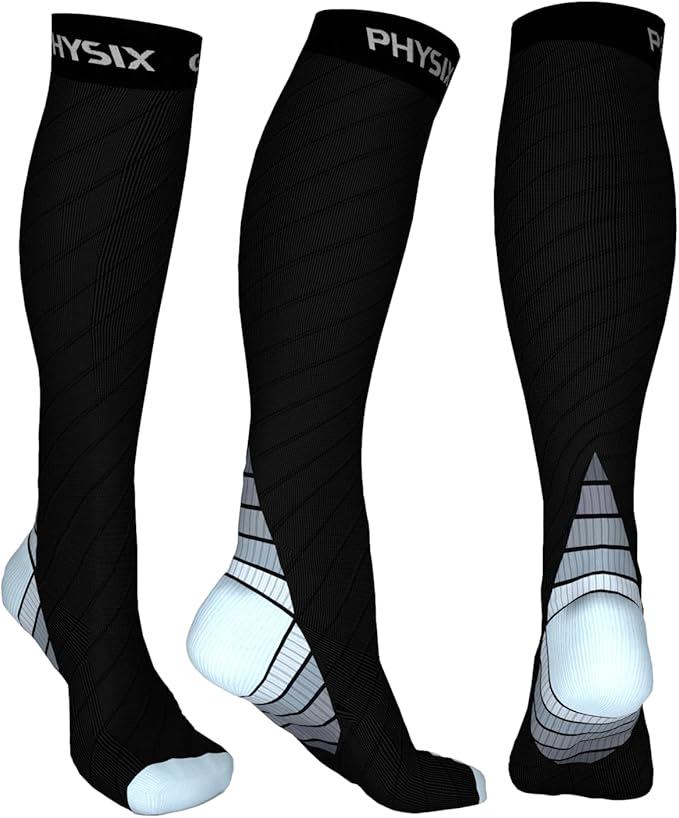
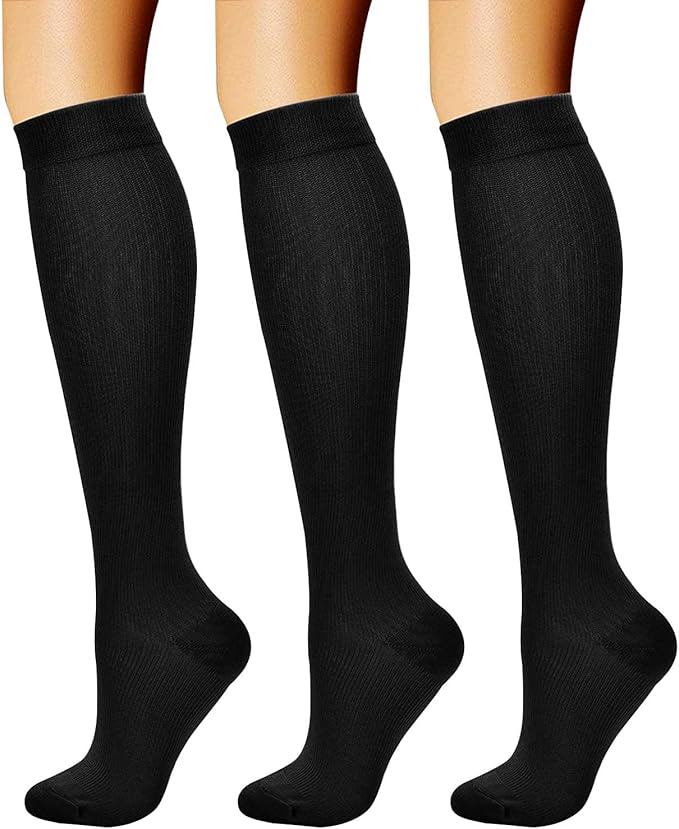
Graduated compression stockings apply gentle pressure that is strongest at the ankle and decreases up the leg. This external support helps prevent fluid from pooling and can reduce swelling, pain, and the risk of skin breakdown. Compression stockings come in different pressure levels, so having a proper fitting is important. Your healthcare provider can prescribe the appropriate compression level, often starting at 15–20 mmHg for mild swelling or 20–30 mmHg for moderate edema.
Important: Do not use compression stockings if you have peripheral artery disease (PAD) or severe neuropathy without explicit medical guidance.
6. Monitor your weight and swelling patterns
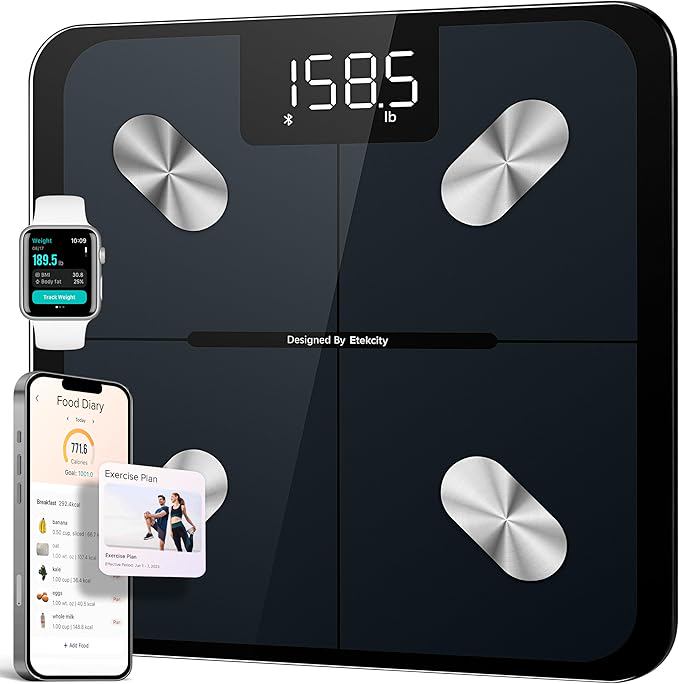
Tracking changes can alert you to worsening fluid retention before it becomes severe. Weigh yourself at the same time each morning—after urinating but before eating or drinking—on the same scale with minimal clothing. A gain of 2–3 pounds within a day or 5 pounds within a week can indicate fluid buildup. Additionally, check your legs daily for increased puffiness, skin that pits when pressed (holds an indentation), or tightness in shoes. Sharing these logs with your healthcare team helps them adjust your treatment plan, which may include diuretic medication titration or other interventions.
Reducing leg swelling from heart conditions is rarely about one single action—it's a combination of daily habits that support your heart's function and your body's natural fluid regulation. Elevation, dietary changes, hydration, movement, compression, and self-monitoring form a solid foundation. Remember, these strategies complement but do not replace medical care. Always work closely with your cardiologist to ensure your approach is tailored to your specific diagnosis, such as heart failure, cardiomyopathy, or valvular disease.