
What you eat in the evening — especially the last snack before bed — can quietly shape how well you sleep and how steady your mood feels the next morning. Instead of reaching for something sugary, salty, or heavy, choosing foods that support your body’s natural wind-down process can make a real difference. Here are six research-backed evening snacks that may help you fall asleep more easily, stay asleep longer, and wake up feeling less frazzled.
Why the right snack matters for sleep and stress
Your body’s sleep-wake cycle, or circadian rhythm, relies on a delicate interplay of hormones like melatonin and cortisol. Melatonin encourages sleep, while cortisol is your main stress hormone. Certain foods can gently nudge this balance in your favor. Snacks rich in tryptophan (an amino acid that converts to serotonin and then to melatonin), magnesium, and complex carbohydrates can support relaxation and lower cortisol levels. The goal isn’t a full meal — just a small, satisfying snack about 45 to 60 minutes before bed.
Tart cherries or pure tart cherry juice
Tart cherries are one of the few natural food sources of melatonin. Drinking a small glass of tart cherry juice (look for unsweetened) or eating a handful of dried tart cherries an hour before bed has been linked to longer sleep duration and improved sleep quality in several small studies. The antioxidants in tart cherries — particularly anthocyanins — also help dampen inflammation, which can interfere with deep sleep. Keep portions modest: about half a cup of juice or a quarter-cup of dried cherries is enough.
A small bowl of oatmeal with banana and walnuts
Whole oats are a gentle source of complex carbohydrates that help make tryptophan more available to the brain. Top a small bowl of cooked oats with half a sliced banana (bananas provide potassium and magnesium, both of which relax muscles and nerves) and a tablespoon of walnuts, which are naturally rich in melatonin and healthy fats. This combination offers a steady release of energy that doesn’t spike blood sugar, and the magnesium content can help quiet a racing mind.
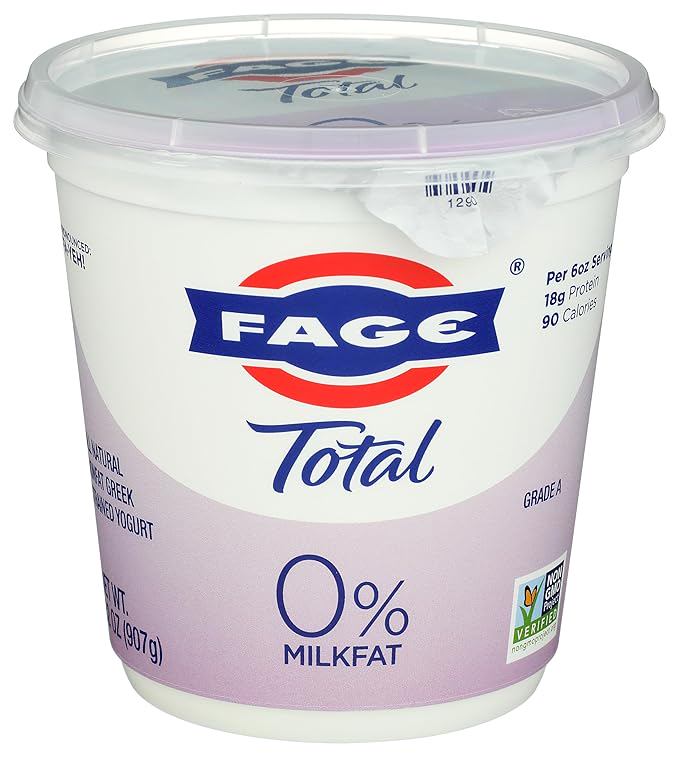
Greek yogurt with pumpkin seeds
Greek yogurt is packed with protein, including a decent amount of tryptophan. Pairing it with pumpkin seeds — which are one of the best food sources of magnesium — creates a snack that supports both serotonin production and muscle relaxation. Pumpkin seeds also contain zinc, which helps the body convert tryptophan into serotonin. Stick to a half-cup of plain Greek yogurt and one tablespoon of unsalted pumpkin seeds. If you need a touch of sweetness, add a few raspberries or a drizzle of raw honey.
Kiwifruit
Kiwifruit is widely recognized as one of the top fruits for sleep. Eat one or two kiwis about an hour before bed. Research suggests that kiwis may boost serotonin levels and help people fall asleep faster, sleep more deeply, and stay asleep longer. Their high vitamin C content also helps regulate stress hormones. Plus, they’re naturally hydrating and easy on the stomach. No prep required — just wash, cut, and eat.
A small 2011 study published in the Asia Pacific Journal of Clinical Nutrition found that adults who ate two kiwifruits one hour before bed for four weeks experienced significant improvements in sleep onset, duration, and quality.
Warm milk with a pinch of nutmeg
The old standby has some real science behind it. Milk contains tryptophan, calcium, and vitamin D — all of which play roles in sleep regulation. Warming the milk makes it more soothing, and adding a pinch of nutmeg (a spice traditionally used for its mild sedative properties) gives the drink a gentle, calming flavor. If you prefer plant-based milk, unsweetened almond or oat milk can work, but check that it's fortified with calcium. About one cup is the right amount — enough to be comforting without being heavy.
A handful of almonds and dates
Almonds are a good source of magnesium and also provide melatonin. Medjool dates offer natural sweetness along with fiber, potassium, and B vitamins that support healthy nerve function. Together, these two foods create a balanced mini-meal that can help lower cortisol and promote relaxation. Almonds also deliver healthy fats that keep blood sugar stable overnight. Limit yourself to about five almonds and one or two dates — more than that can turn into too many calories and may keep you awake if your body has to work to digest them.
What to avoid before bed
Even the best snack won’t help if it’s paired with habits that work against sleep. Avoid caffeine (yes, that includes dark chocolate and some teas), heavy or spicy foods, and large amounts of alcohol. These can disrupt sleep architecture, spike cortisol, or cause overnight discomfort. Also give yourself at least 30 minutes of screen-free time after eating — blue light can suppress melatonin and undo some of the benefits of your snack.
The key is consistency. Try one or two of these snacks for a week and pay attention to how you feel at bedtime and the next morning. Everyone’s body responds a little differently, but these whole-food options are gentle, nutrient-dense, and backed by enough evidence to be worth a try.