
Exfoliation can feel like the secret to glowing skin. Sloughing off dead cells leaves your face smooth, bright, and refreshed—temporarily. But when done too often, with the wrong products, or with too much pressure, that same habit can quietly erode your skin's protective barrier. The trouble is, the damage doesn't always announce itself loudly. Instead, it shows up in subtle cues that many of us mistake for 'normal' post-scrub sensitivity. If you've been exfoliating regularly (or even aggressively), here are six early warning signs that your routine might be doing more harm than good.
1. Your skin feels tight and uncomfortable right after washing
A mild, temporary tightness after cleansing can happen, especially if you've just used a scrub or chemical exfoliant. But when that tight feeling lingers—or when your skin feels stiff, almost like a mask—it suggests your moisture barrier has been disrupted. Healthy skin has a lipid layer that holds water in and keeps irritants out. Over-exfoliation strips those lipids, leaving skin dehydrated and vulnerable. If you find yourself reaching for moisturizer immediately after every wash because your skin feels painfully taut, it's time to pause your exfoliation routine and focus on barrier repair.
2. You've developed small red bumps or breakouts in new places
One of the most confusing signs of over-exfoliation is a sudden flare-up of tiny, pimple-like bumps. Many people assume this means they need to exfoliate even more to 'unclog' pores. In reality, these bumps are often a sign of irritation—sometimes called 'exfoliation dermatitis' or simply barrier damage. When the skin's surface is compromised, it becomes more reactive. Bacteria, pollution, and even your own moisturizer can trigger inflammation. Instead of clearing your skin, over-exfoliating can actually worsen congestion and cause breakouts on cheeks, jawline, or other areas that previously were clear.
A quick rule of thumb: If your breakouts are accompanied by stinging, redness, or a rough texture that feels like sandpaper, the problem is likely irritation, not clogged pores.
3. Your skin stings or burns when you apply basic products
A healthy barrier allows your moisturizer, sunscreen, and even water to sit comfortably on your skin. When your complexion starts to sting or burn upon applying products you've used for years—especially gentle ones—that's a red flag. This sensation happens because the outer layer of skin has thinned and lost its protective ability. Active ingredients like vitamin C, retinol, or even hyaluronic acid can suddenly feel like acid on your face. If basic hydration causes discomfort, your exfoliation schedule is likely too aggressive.
4. You notice more visible redness and flushing throughout the day
Occasional redness after a scrub is normal and usually fades within a few minutes. But if your face looks permanently flushed, blotchy, or develops a pinkish tone that doesn't go away—especially on the cheeks, nose, or chin—you may be seeing chronic inflammation from over-exfoliation. Over time, repeated micro-trauma from harsh physical scrubs or strong chemical peels can cause broken capillaries and a persistent redness that takes weeks or months to calm. If you find yourself reaching for concealer to hide a 'natural flush' that wasn't there before, consider cutting back on exfoliation.
5. Your skin looks shiny but feels tight and papery
This paradoxical combination—a waxy, almost plastic-like shine paired with a tight, dehydrated feel—is a classic sign of a compromised barrier. Over-exfoliated skin can appear unnaturally smooth and reflective because the top layers have been polished away. But underneath, the skin is dehydrated and fragile. This 'over-exfoliated glow' is often mistaken for a healthy radiance. To tell the difference: healthy glowing skin bounces back when you gently press on it; over-exfoliated skin feels thin, delicate, and may crumple into fine lines when you move your face.
6. Your foundation or sunscreen starts pilling and flaking
When your products roll off your face in little balls or seem to sit on top of the skin rather than blending in, it's a symptom of a disrupted moisture barrier. Surface cells that haven't been exfoliated (yes, even when you over-exfoliate deeper layers, the very top can still be flaky) mix with product ingredients to create that pilling effect. If you're exfoliating regularly but still dealing with patches of flaking or uneven texture—especially in areas like the chin, around the nose, or between your eyebrows—your skin is crying out for a break.
What to do if you notice these signs
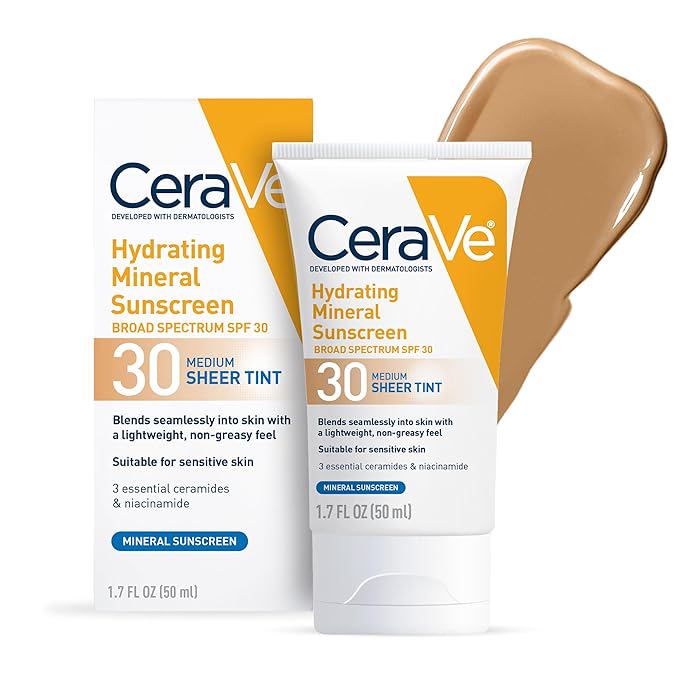
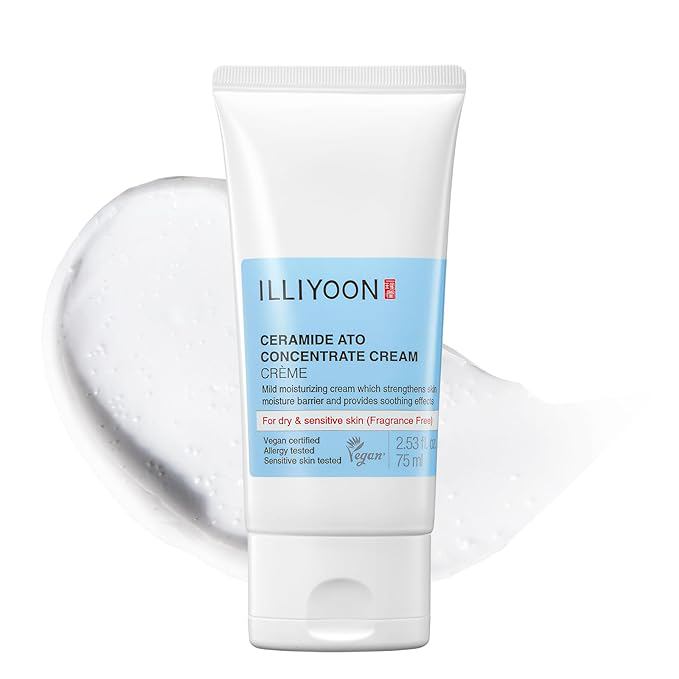
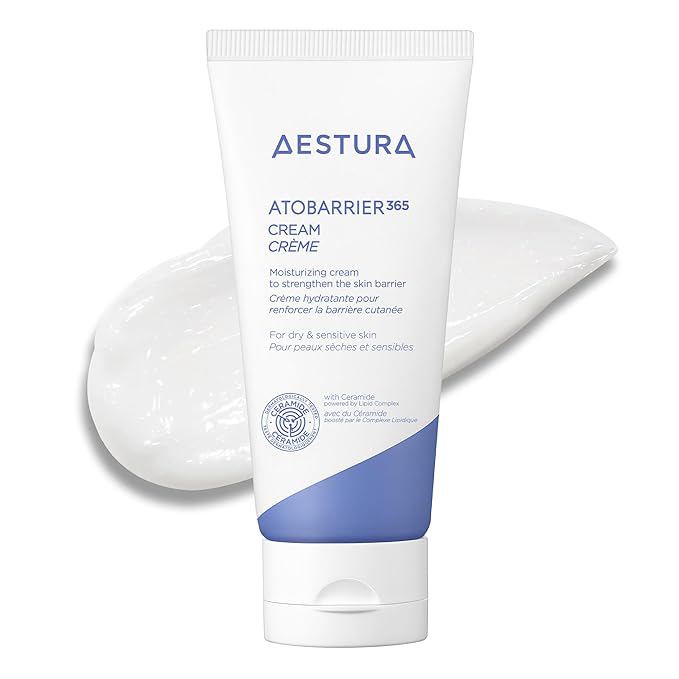
The good news is that the skin has remarkable self-repair abilities. The first step is to stop all exfoliation—both physical scrubs and chemical acids—for at least two to four weeks. During that time, focus on a gentle, hydrating routine: a non-foaming cleanser, a rich moisturizer with ceramides or fatty acids, and a mineral sunscreen. Avoid active ingredients like retinol, vitamin C, and benzoyl peroxide. Once your barrier feels calm and comfortable (no stinging, tightness, or redness), you can gradually reintroduce exfoliation at a much lower frequency—perhaps once a week, using a mild lactic acid or a very gentle enzyme scrub.
Pay close attention to how your skin feels during the first few hours after exfoliating. A healthy response is a slight glow with zero discomfort. If you feel any burning, heat, or tightness, wait another week before trying again. Everyone's skin has a different tolerance, and factors like climate, stress, and hormones can change that tolerance over time. Learning to recognize these early signs is the key to exfoliating effectively—without causing long-term damage.