Water is the substance your body depends on for nearly every vital process. It regulates temperature, lubricates joints, transports nutrients, and flushes waste. When your fluid intake falls short, your body sends out signals long before you feel parched. Recognizing these early warnings can help you correct your hydration habits before they lead to more serious health concerns.
Thirst is an obvious cue, but by the time your mouth feels dry, you may already be mildly dehydrated. Many people mistake other subtle signs for fatigue, stress, or hunger when the real culprit is simply not enough water. Below are six early indicators that your body needs more fluid.
1. Persistent Headaches
Even mild dehydration can cause the brain to temporarily shrink or pull away from the skull, triggering pain receptors. If you find yourself reaching for pain relievers several times a week, consider your water intake first. A headache that develops in the afternoon or after physical activity is a classic sign of low fluid volume. Drinking a glass of water and resting for 15 minutes can often relieve the discomfort faster than medication.
2. Dark-Colored Urine
Your kidneys adjust urine concentration based on how much fluid is available. When you are well-hydrated, urine is pale yellow or nearly clear. A dark amber or honey-colored urine indicates that your kidneys are conserving water by producing more concentrated waste. This is one of the most reliable early markers. If your urine is consistently dark, increase your water intake gradually throughout the day and monitor the color change over the next 24 hours.
3. Dry Skin and Lips
Skin is the largest organ and one of the first to show dehydration. Inadequate water intake reduces skin elasticity and impairs the skin barrier. You might notice chapped lips that don't respond to balm, or a feeling of tightness on your face and hands. Over time, chronic low hydration can worsen fine lines and slow wound healing. If your skin feels dry despite using moisturizer, check your fluid habits.
4. Fatigue and Brain Fog
Water is essential for delivering oxygen and glucose to your brain. When blood volume drops due to dehydration, circulation slows, and your brain receives a reduced supply of fuel. The result can be daytime fatigue, difficulty concentrating, or a feeling of mental sluggishness that coffee doesn't fix. Many people blame lack of sleep or a busy schedule when the real issue is simply not drinking enough water.
5. Constipation or Irregular Digestion
The colon absorbs water from digested food to form stool. When you are dehydrated, the colon pulls excess moisture, leaving stools hard, dry, and difficult to pass. This can lead to constipation, bloating, and abdominal discomfort. Unlike fiber-related issues, dehydration-related constipation often improves within hours of rehydrating with plain water. If you experience irregular bowel movements, assess your fluid intake before reaching for laxatives or fiber supplements.
6. Muscle Cramps or Joint Stiffness
Water acts as a lubricant for joints and helps muscles contract smoothly. Dehydration reduces the volume of synovial fluid in your joints and alters electrolyte balance around muscle fibers. You might notice leg cramps at night, a stiff feeling in your knees after sitting, or increased soreness after exercise. These symptoms are often mistaken for overuse or aging, but they can be corrected with consistent hydration.
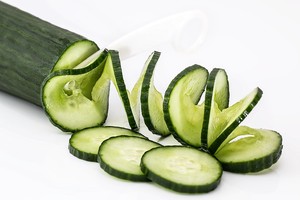
If you recognize two or more of these signs in your daily life, try a simple experiment for one week: aim to drink water steadily from morning until early evening, not all at once. Carry a reusable bottle, take sips with meals, and include water-rich foods like cucumber, melon, and leafy greens. Most adults need between 8 and 12 cups of total water daily, but individual needs vary based on activity level, climate, and body size.
Hydration is not about drinking a massive amount in one sitting. It is about consistent, moderate intake throughout the day. When you make water a steady habit, many of these early warning signs fade, and your energy, skin, digestion, and mental clarity often improve noticeably.
Remember: if you feel thirsty, you are already behind. Stay ahead by sipping water even when you don't crave it.