
That familiar ache in your chest can feel like a low-grade throb or a sharp, unwelcome pinch. For many women navigating menopause, breast tenderness—often called mastalgia—is one of the body’s subtle (and not-so-subtle) signals that hormones are shifting. While the root cause is usually fluctuating estrogen and progesterone, what you sip throughout the day can either calm or aggravate that sensitivity.
You don’t have to overhaul your entire diet overnight. But being mindful about a handful of common beverages can make a real difference in how your breasts feel by bedtime. Here are six drinks it’s wise to cut back on when tenderness flares—and what to reach for instead.
1. Coffee and Caffeinated Tea
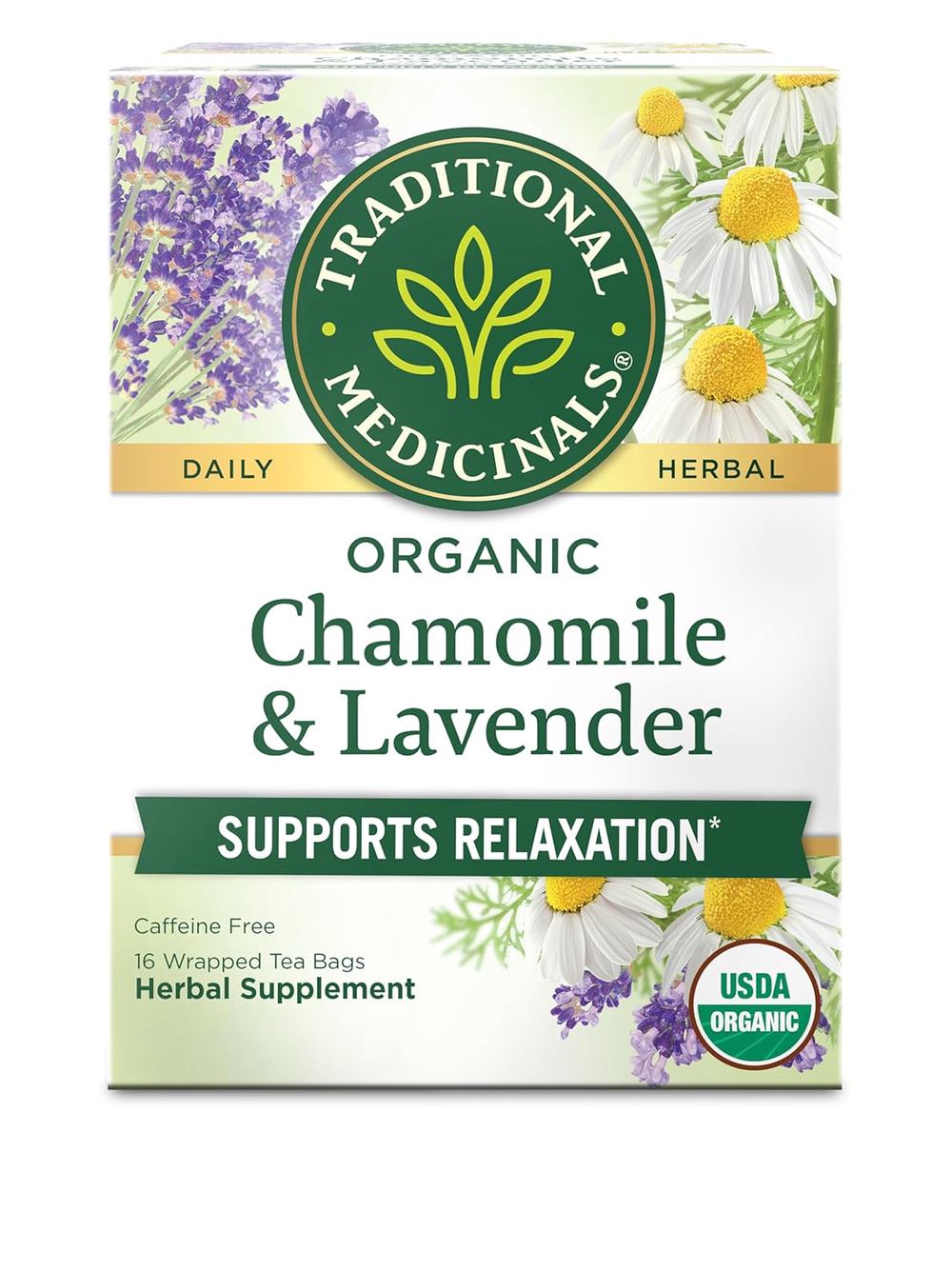
Your morning ritual might be the first thing to question. Caffeine is a known vasoconstrictor—it narrows blood vessels and can increase fibrous tissue sensitivity. For some women, even one cup of strong black coffee leaves breast tissue feeling more tender. This doesn’t mean you need to go cold turkey, but consider swapping your second or third cup for a low-acid herbal tea like chamomile or rooibos. If you can’t part with your morning brew, try a half-caff blend or a single small cup and notice if the ache softens.
2. Alcohol
Wine, beer, and cocktails can affect how your liver metabolizes estrogen. When alcohol is in the mix, estrogen levels may stay higher in the bloodstream for longer, which can worsen breast tenderness. There’s also an inflammatory effect—alcohol triggers the release of compounds that can make already sensitive tissue feel more swollen. If you enjoy a drink, experiment with a no-ABV version or limit yourself to one serving early in the evening. A tart cherry juice spritzer with soda water has a similar grown-up feel without the hormonal kickback.
3. Sugary Sodas and Energy Drinks
Refined sugar in liquid form hits your system fast. It spikes insulin, which in turn can influence hormone balance and promote water retention—two factors that amplify breast pain. Energy drinks are a double whammy because they pair sugar with high doses of caffeine and other stimulants. If you crave something bubbly, try plain seltzer with a splash of unsweetened cranberry juice or a few slices of cucumber. Your breast tissue will thank you for skipping the sugar tsunami.
4. Diet Soda (and Anything with Artificial Sweeteners)
Switching to “diet” versions doesn’t automatically solve the problem. Some women report that artificial sweeteners like aspartame and sucralose trigger or worsen mastalgia. The mechanism isn’t fully understood, but it may relate to how these sweeteners affect gut microbiota or hormonal signaling. If you suspect a link, try a two-week break from all artificially sweetened beverages. Swap for plain sparkling water infused with fresh mint or berries. You might find the tenderness eases without you missing the fake sugar at all.
5. High-Sodium Vegetable Juices and Broths
A glass of tomato juice or a salty broth might seem innocent, but sodium drives fluid retention. Extra fluid in breast tissue can stretch and irritate already sensitive ducts and glands. Check labels: many canned vegetable juices and instant broths pack over 600 mg of sodium per serving. If you love savory drinks, choose a low-sodium version or make your own at home. A warm mug of unsalted bone broth or miso made with reduced-sodium paste can hit the spot without the bloat.
6. Dairy-Based Lattes and Milkshakes
Dairy is a mixed bag for breast tenderness during menopause. Some research suggests that the hormones naturally present in cow’s milk (even organic varieties) may influence human estrogen levels. For women who are sensitive, a daily latte or iced coffee with whole milk can quietly stoke inflammation. Try a milk alternative like oat, almond, or flax milk—preferably unsweetened—and see if that changes how you feel by mid-cycle or after your period.
A simple swap: Start by replacing just one of these drinks each day with water, herbal tea, or a low-sodium savory option. Small changes, repeated consistently, add up to real relief.
Breast tenderness during menopause can be frustrating, but it’s rarely a sign of something serious. If your discomfort is severe, new, or accompanied by a lump, discharge, or skin changes, talk with your healthcare provider. For everyday symptom management, adjusting your drink menu is one of the gentlest levers you can pull—and it often works faster than you’d expect.