Breast tenderness during menopause is common, but it's not something you just have to grit your teeth and accept. While hormonal shifts are the underlying cause, certain everyday habits can dial up the discomfort. The good news? Recognizing these habits gives you back some control. Here are two daily patterns that may be making your breasts more sore—and what to do about them without overhauling your entire life.
Habit #1: Reaching for caffeine and high-sodium foods
Your morning coffee or afternoon diet soda might be doing more than waking you up. Caffeine can amplify breast tenderness because it stimulates the central nervous system and affects blood flow to breast tissue. For some women, even a single cup can make fibrocystic changes feel more pronounced. The same goes for salty snacks and processed foods. Sodium causes fluid retention, and when breast tissue holds extra water, it stretches and presses on already sensitive nerve endings. This adds a dull, heavy ache on top of hormonal soreness.
You don't need to go cold turkey on caffeine, but cutting back gradually can help. Try swapping your second cup for a low-caffeine herbal tea like rooibos or chamomile. For sodium, check food labels—many breads, soups, and condiments are hidden sources. Cooking with fresh herbs and citrus zest instead of table salt can ease fluid buildup without making meals bland.
Habit #2: Wearing the wrong bra (or no bra at night)
It sounds simple, but the bra you choose—and when you wear it—can significantly reduce or worsen tenderness. During menopause, breast density and shape can change, so a bra that fit perfectly last year may no longer provide enough support. Underwires that press against ribcage tissue, straps that dig in, or bands that ride up all create friction points that make soreness worse.
Many women benefit from wearing a soft, non-underwire sleep bra or a cotton camisole with light support at night. During the day, look for a bra with wide straps, a wide band, and no underwire—or one with a flexible, cushioned underwire if you prefer structure. The key is that the bra fits snugly without leaving red marks. If you're between sizes, a professional fitting (even at a department store) is worth the 15 minutes.
A simple change of bra can drop your daily pain level by a point or two on a 10-point scale. That's not nothing.
How these habits interact with hormone changes
During perimenopause and menopause, estrogen and progesterone fluctuate unpredictably. These hormones regulate breast tissue growth and fluid balance. When estrogen is high, breast ducts can swell; when it drops, milk glands may shrink and become denser. Caffeine and sodium don't cause these shifts, but they amplify the physical response to them. Your breasts are essentially more reactive during this stage, so even minor triggers have a bigger effect.
By cutting back on the two triggers above, you remove the extra load from your body. You can't stop hormone fluctuations, but you can stop adding fuel to the fire.
Other quick adjustments that support relief
- Evening primrose oil. Some studies suggest gamma-linolenic acid (GLA) in evening primrose oil may help modulate breast pain. Talk to your healthcare provider before trying it, as it interacts with some medications.
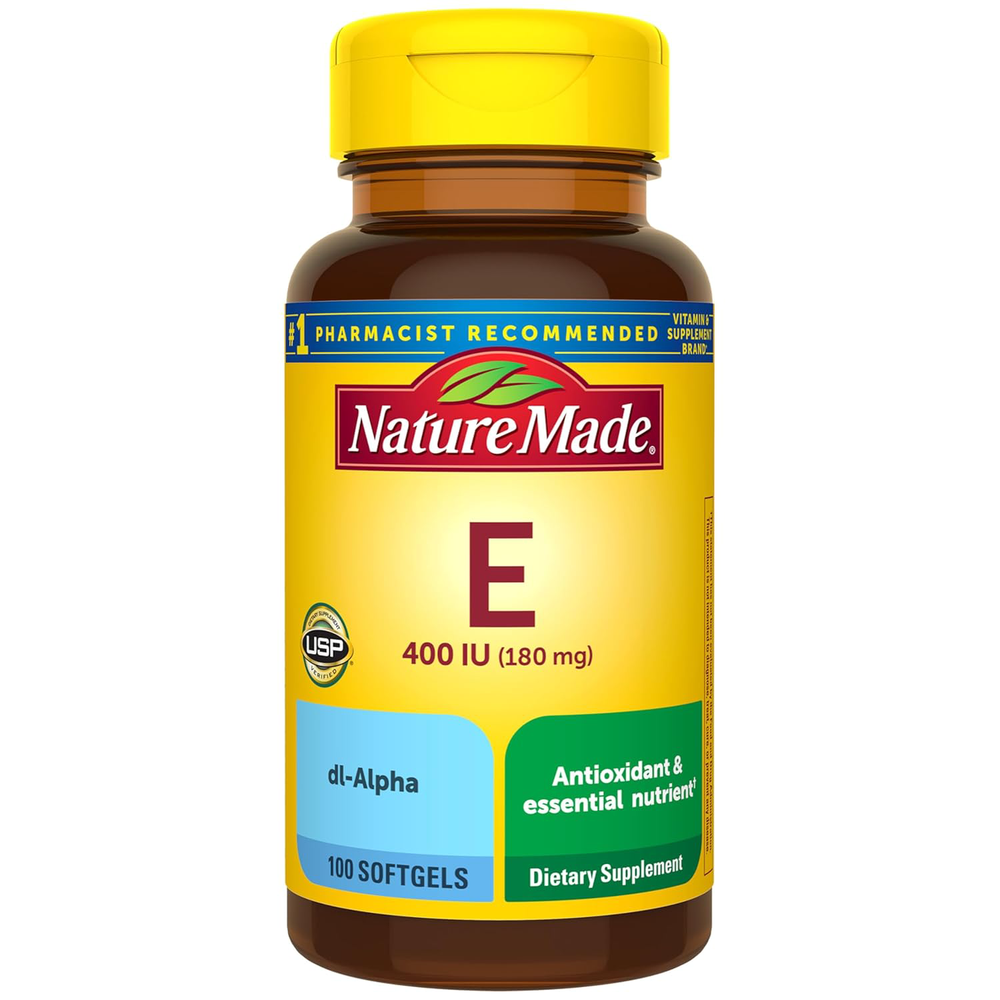
- Vitamin E. There is limited but promising evidence that vitamin E supplements can reduce cyclic breast tenderness. Again, check with your doctor for an appropriate dose.
- Watch your cup size. Weight gain is common during menopause, and even a few pounds can increase breast volume and sensitivity. Supportive bras become even more important during this transition.
Keep a simple symptom diary for two weeks. Note your daily caffeine intake, sodium-rich meals, bra type and wearing time, and your breast soreness level on a 1–10 scale. Patterns will become obvious—sometimes the data is all you need to convince yourself that a small change is worth it.
When to talk to a doctor
Breast tenderness related to menopause is typically bilateral (both breasts) and feels like heaviness, swelling, or a dull ache. If you ever notice: a new, persistent lump; redness, dimpling, or skin changes; sharp, localized pain in one spot; or nipple discharge, see your healthcare provider promptly. These are not typical menopause symptoms and warrant investigation.
Most menopause breast tenderness is manageable with simple adjustments to your daily routine. Caffeine and sodium are two of the biggest compounding factors. Together with a properly fitted, supportive bra, these changes can take the edge off—no prescriptions needed.