
Waking up with sore, heavy breasts is a common and frustrating part of menopause for many women. Hormonal shifts—particularly the drop in estrogen and progesterone—can cause breast tissue to retain fluid, making it feel swollen and tender. While you can't stop the natural ebb and flow of perimenopause and menopause, what you eat first thing in the morning can make a real difference in how your breasts feel by midday.
We spoke with registered dietitians who specialize in women's health to get their top breakfast strategies. These four meals focus on reducing inflammation, balancing fluid retention, and supporting hormone metabolism without requiring drastic changes to your diet. Think of these as gentle, nourishing resets for your morning routine.
1. Oatmeal with Ground Flaxseed and Berries
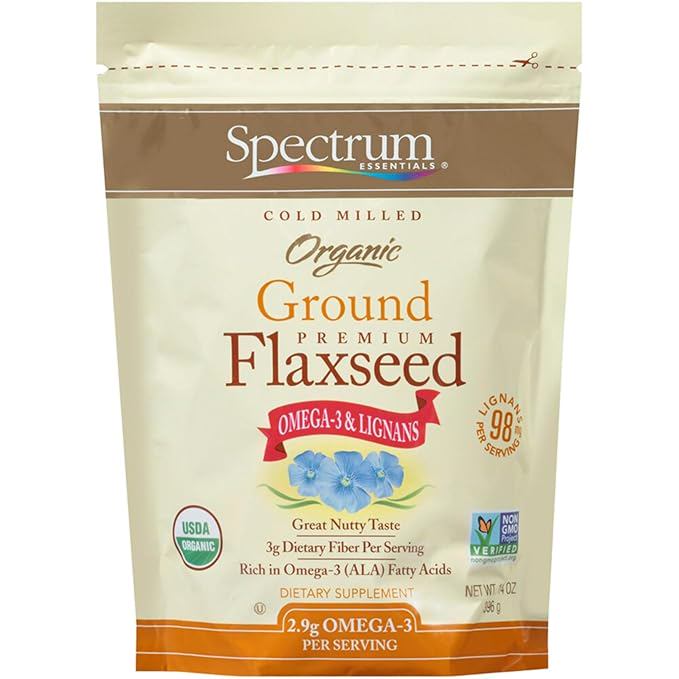
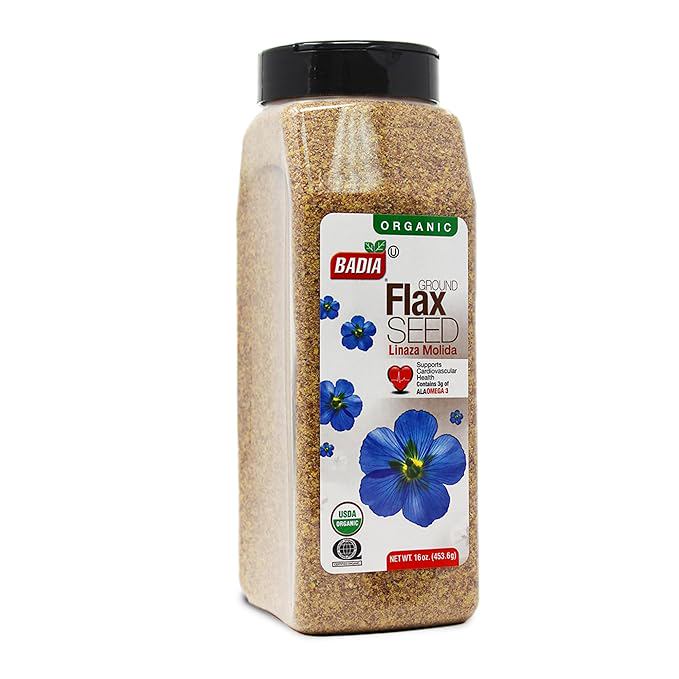
Oatmeal is a classic for a reason, but the star here is flaxseed. “Flaxseed is rich in lignans, which can help modulate estrogen activity and reduce breast pain,” says registered dietitian nutritionist, Sarah Thompson, RDN. “It’s a gentle way to support the body’s natural hormone clearance, which can relieve tenderness.”
Toss in a handful of antioxidant-packed berries (frozen works fine) for their anti-inflammatory benefits. The combination of warm oats, fiber, and phytoestrogens creates a breakfast that stabilizes blood sugar—another key factor. “Spikes in blood sugar can worsen inflammation and fluid retention, so starting with a fiber-rich, balanced meal sets a steady tone for the day,” Thompson adds.
Quick tip
Grind your flaxseed fresh for the best nutrient absorption. Add it to the oats after cooking, along with a sprinkle of cinnamon, which is also anti-inflammatory.
2. Scrambled Eggs with Spinach and Avocado
Protein and healthy fats are your allies when breast tissue is feeling tender. Eggs deliver choline, a nutrient that supports liver function—and since your liver helps process estrogen, a healthy liver can make a difference in breast fullness and discomfort.
Pair your eggs with a generous handful of spinach sautéed in a little olive oil. “Spinach is high in magnesium, which can help reduce cramping and fluid retention throughout the body, including breast tissue,” explains dietitian Laura Martinez, MS, RD. Healthy fats from avocado add satiety and help absorb fat-soluble vitamins from the greens. The result is a low-inflammatory, high-nutrient plate that helps ease morning soreness.
3. Greek Yogurt Parfait with Pumpkin Seeds and Hemp Hearts
Dairy can sometimes feel tricky during menopause, but plain Greek yogurt is often well-tolerated and provides a strong dose of calcium. “Calcium plays a role in muscle and nerve function, and some women report less cyclical breast pain when their calcium intake is adequate,” says Martinez.
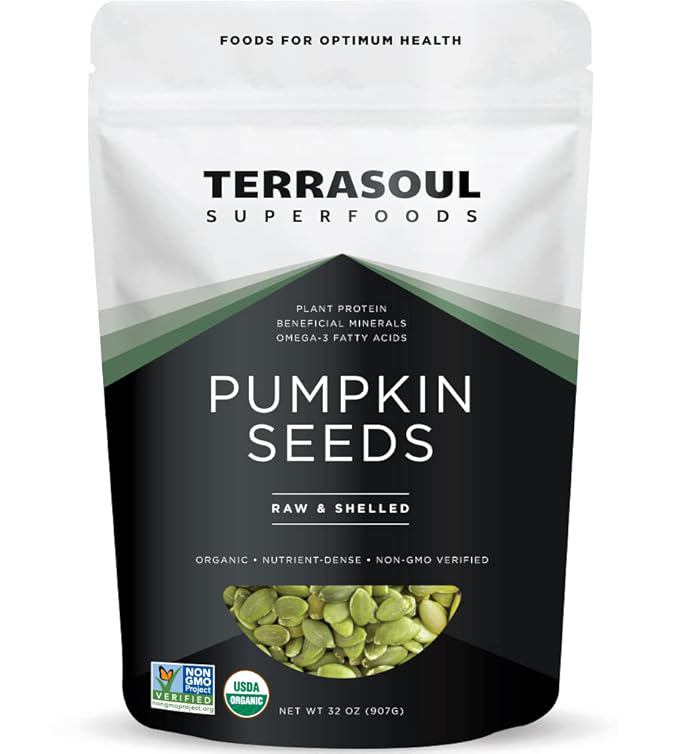
Instead of sugary granola, top your yogurt with pumpkin seeds and hemp hearts. Pumpkin seeds are one of the best dietary sources of zinc, which helps regulate hormone levels and can reduce inflammation. Hemp hearts are rich in gamma-linolenic acid (GLA), an omega-6 fatty acid known to help calm breast tenderness. A few raspberries or sliced banana add natural sweetness without a sugar spike.
“Hemp hearts are an underrated superfood for menopause—they provide GLA, which is often found in evening primrose oil, a common remedy for breast pain.”
— Laura Martinez, MS, RD
4. Green Smoothie with Avocado, Ginger, and Turmeric
If you’re not in the mood for chewing in the morning, a smoothie can be just as effective. The key is including ingredients that actively combat inflammation. “Ginger and turmeric are potent anti-inflammatory compounds that can reduce the swelling that makes breasts tender,” Thompson notes. “Avocado gives it a creaminess plus monounsaturated fats that support hormone production.”
Use a base of unsweetened almond milk or coconut water. Throw in a handful of kale or cucumber for extra hydration and anti-inflammatory phytonutrients. A small piece of fresh ginger root and a dash of black pepper (to activate turmeric) make this drink a targeted helper specifically for breast discomfort.
Morning routine note
Try to drink your smoothie slowly and not on an empty stomach if you’re sensitive to cold. Adding a scoop of collagen or a plant-based protein powder helps stabilize your blood sugar until lunch.
A broader perspective on breast tenderness
No single breakfast will erase tenderness overnight, but these choices support your body’s ability to regulate estrogen, reduce inflammation, and balance fluids naturally. Keep in mind that persistent, one-sided breast pain or new lumps should always be evaluated by a healthcare provider. These meals are designed for common hormonal tenderness—not a replacement for medical checkups.
Making even one of these breakfast shifts a few times per week can bring noticeable relief. The goal is consistency over perfection. Listen to your body, and remember: gentle, whole foods can be powerful allies during the menopausal transition.