
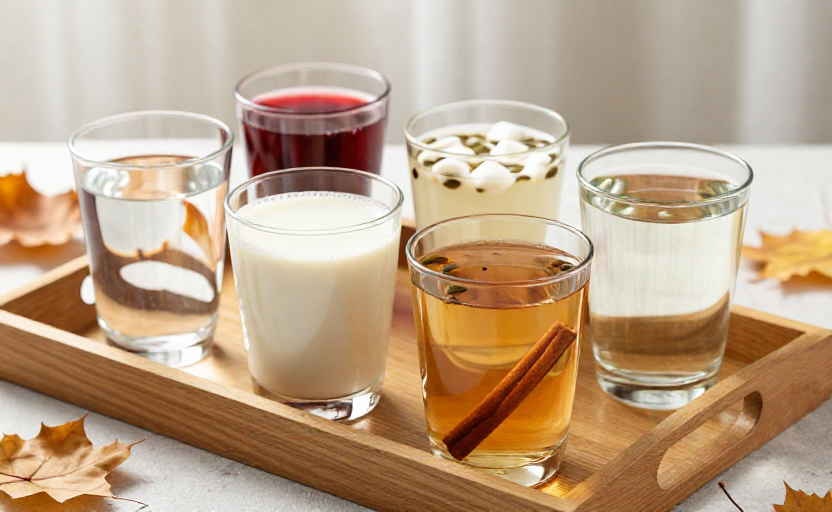
Menopause brings a lot of changes, and bladder urgency or leakage is one of the less talked-about realities. It often happens because declining estrogen levels thin the tissues of the urethra and bladder, making them less elastic and more sensitive. What you drink can either calm those tissues or aggravate them further.
The six drinks below are not cures. They are supportive choices—hydrating, nutrient-rich, and free from the common bladder irritants like caffeine, alcohol, and acidic fruit juices. Think of them as part of a broader pelvic floor health strategy, not a quick fix.
Water (plain, filtered)
It sounds too simple to be on a list like this, but proper hydration is foundational. When you don't drink enough water, your urine becomes concentrated and acidic, which can irritate the bladder lining and actually trigger urgency. The trick is to sip steadily throughout the day rather than chugging large amounts at once, which can overwhelm the bladder. If you struggle with nighttime leakage, taper your water intake in the two hours before bed.
Unsweetened cranberry juice (diluted)
Cranberry juice has a reputation for urinary tract health, but it needs to be the right kind. Most commercial cranberry cocktails are full of sugar and mixed with grape or apple juice, which can be irritating. Look for 100% unsweetened cranberry juice, then dilute it with sparkling or still water (one part juice to three parts water). The compounds in cranberries, known as proanthocyanidins, may help prevent bacteria from adhering to the bladder wall—reducing the risk of UTIs, which can mimic or worsen urgency symptoms.
Pumpkin seed milk
Pumpkin seeds are rich in zinc, magnesium, and healthy fatty acids that support muscle and nerve function. Emerging research suggests that pumpkin seed extract may help improve bladder capacity and reduce nighttime urination in people with overactive bladder. Pumpkin seed milk (available in cartons near other plant milks) is a mild, nutty alternative to dairy, which can be a bladder irritant for some. If you can't find the milk, you can blend soaked, unsalted pumpkin seeds with water and strain it.
Cinnamon tea
Cinnamon is a natural anti-inflammatory, and for some, it appears to calm the bladder detrusor muscle, which is the muscle responsible for the sudden, strong contractions that cause urgency. A cup of cinnamon tea (made by steeping a cinnamon stick or a teaspoon of powder in hot water for 10 minutes) is warming, caffeine-free, and gently sweet on its own. Avoid adding honey or sugar if you are sensitive to sweeteners—sugar can feed bacteria and worsen urinary symptoms.
Marshmallow root tea
Marshmallow root has a long history in herbal medicine as a demulcent, meaning it creates a soothing, mucilaginous film over mucous membranes. When you drink it, that film lightly coats the lining of the bladder and urethra, potentially reducing irritation and the sensation of urgency. Steep dried marshmallow root in cold water overnight (or in hot water for 15 minutes) and drink it throughout the day. The effect is mild and gradual, not immediate, but many people report less frequent bathroom trips after a week or two of regular use.
Coconut water (no sugar added)
Coconut water is naturally rich in potassium and other electrolytes, which help maintain proper muscle function—including the pelvic floor muscles that support the bladder. Unlike sports drinks, it has no artificial colors or high levels of sodium. The key is to buy plain, unsweetened coconut water. Flavored versions often contain citric acid or other citrus extracts that can irritate the bladder. Drink it cold, but not ice-cold; very cold liquids can sometimes trigger a bladder spasm in sensitive individuals.
Keep a bladder diary for a week. Note what you drink, when you drink it, and when you feel urgency or have a leak. You will likely spot patterns—certain drinks or timing—that you can adjust on your own.
No single drink will reverse the hormonal changes of menopause or strengthen a weak pelvic floor by itself. These six beverages are simply better choices than the usual suspects (coffee, soda, alcohol, citrus juice) that can make urgency worse. Combine them with pelvic floor exercises, good bowel habits, and a conversation with your healthcare provider about vaginal estrogen or other options if symptoms persist.