
Staying hydrated is one of the simplest ways to support your body and mind, yet it's often the first thing we neglect during a busy day. When you are juggling deadlines, meetings, and personal commitments, a glass of water can feel trivial. However, consistent hydration is a cornerstone of managing stress and maintaining the energy you need to shift from work mode to personal time smoothly.
These six daily habits are designed to weave hydration into your routine without adding another chore to your list. They focus on practical, gentle cues that help you drink more water naturally, supporting your nervous system and helping you feel more balanced throughout the day.
1. Start Your Morning with a Full Glass of Water
After several hours of sleep, your body wakes up naturally dehydrated. Reaching for a glass of water first thing—before coffee or breakfast—is a powerful way to signal to your body that it's time to wake up and reset. This simple act helps kickstart your metabolism and can reduce the grogginess that sometimes sets the tone for a stressful morning.
Make it easy: Keep a glass or a reusable bottle on your nightstand. Drink it while you stretch or check your phone for the first time. This habit takes less than a minute and sets a calm, intentional tone for the day ahead, rather than starting with a rush.
2. Pair Water with a Daily Transition Point
One of the most effective ways to build a habit is to pair it with an existing one. Choose a natural transition in your day—like finishing a meeting, closing your laptop for the day, or walking through your front door after work—and make it a cue to drink a glass of water.
This does more than just increase your fluid intake. It creates a small, conscious ritual that helps your brain switch gears. That sip of water becomes a signal: “This task is done, and now I am moving on.” Over time, this mental shift can lower the feeling of being constantly “on,” which is a major contributor to daily stress.
3. Keep a Visible Water Bottle at Your Workspace
Out of sight often means out of mind, especially when you are focused. Keeping a full, clear water bottle on your desk serves as a constant visual reminder. You don't have to think about getting up and walking to the kitchen—the water is right there.
Aim for a bottle with volume markings or a straw, which can encourage you to drink more without pausing your workflow. Sipping water steadily throughout the morning and afternoon prevents the headache and fatigue that come from mild dehydration, helping you stay patient and clear-headed in stressful situations.
A quick caveat: If you find yourself constantly running to the bathroom, don't cut back on total water. Instead, spread your intake more evenly across the day rather than chugging large amounts at once.
4. Add Natural Flavor to Make Water More Appealing
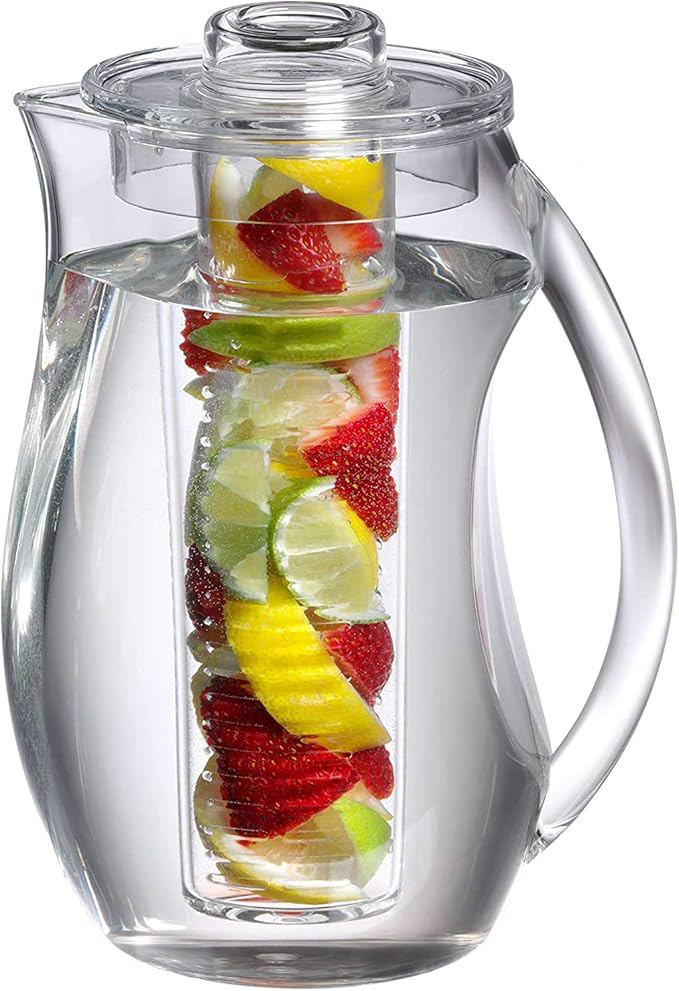
If plain water feels boring, you are far less likely to drink it. Instead of reaching for sugary drinks or artificial flavor packets, enhance your water with natural ingredients. A few slices of cucumber, a sprig of mint, a wedge of lemon or lime, or a few frozen berries can transform a glass of water into something you look forward to.
This is particularly helpful in the afternoon when energy levels dip and stress can spike. Having a flavorful, refreshing drink prepared can curb the urge to grab a caffeinated soda or an extra cup of coffee, which can disrupt sleep and increase anxiety. Preparation is key: spend five minutes in the morning infusing a pitcher for the day.
5. Hydrate Before You Eat, Not With Your Meal
Drinking a moderate amount of water about 20 to 30 minutes before a meal can aid digestion and help you tune into your body's true hunger signals. Dehydration is often mistaken for hunger, leading to unnecessary snacking that can leave you feeling sluggish and irritable.
Try to avoid drinking large amounts of water with your meal, as it can dilute digestive enzymes. Instead, sip sparingly during the meal and focus on getting your hydration in between meals. This habit supports better digestion, which is closely linked to how your body manages stress. A calm stomach contributes to a calmer mind.
6. Wind Down with Warm Liquid in the Evening
The evening routine is a critical time for lowering stress and preparing for restful sleep. A cup of warm water, herbal tea (such as chamomile or peppermint), or a mug of warm lemon water can be a powerful tool for relaxation. The warmth is soothing to the nervous system, and the act of holding a warm mug signals your body that the active part of the day is over.
This habit replaces the common tendency to have an alcoholic drink or a sugary dessert to unwind. While alcohol may initially feel relaxing, it disrupts sleep quality and can increase anxiety over the long term. A warm, hydrating drink provides comfort without negative side effects, directly supporting both your hydration goals and your ability to let go of the day's stress.
These habits are not about rigid rules or drinking a specific number of ounces. They are gentle, sustainable cues that help you listen to your body. By keeping water accessible, pleasant, and tied to natural transitions in your day, you can build a foundation of well-being that makes managing work and life feel a little bit lighter.