
Sun protection often feels like a chore reserved for beach days or summer afternoons. But the truth is, your skin works around the clock to defend itself, and what you do every morning and evening can either support or undermine that natural shield. Instead of relying solely on sunscreen—which remains essential, of course—you can build a foundation of daily habits that help your skin cells resist UV damage more effectively.
These six practices are grounded in skin biology and common sense. They won't replace your SPF, but they will make every layer of protection work harder.
1. Eat antioxidant-rich foods at every meal
Your skin is constantly fighting oxidative stress caused by UV exposure, pollution, and normal metabolism. Antioxidants are the compounds that neutralize the free radicals generated by that stress. When you consume them consistently, they accumulate in skin tissue and provide a second line of defense against sun-induced cellular damage.
Focus on colorful fruits and vegetables: berries, citrus, leafy greens, and tomatoes. Vitamin C from kiwis or bell peppers supports collagen production and helps repair UV-related damage. Vitamin E from nuts and seeds protects cell membranes. Beta-carotene from carrots and sweet potatoes can reduce sunburn sensitivity over time. Even a handful of walnuts or a cup of green tea counts. The key is consistency—one salad won't change your skin's resilience, but daily intake builds a reservoir of protective compounds.
2. Keep your skin barrier hydrated and intact
A healthy skin barrier is your first physical line of defense. When it's dry, cracked, or inflamed, UV rays penetrate more easily, and your cells have a harder time repairing themselves. Hydration isn't just about drinking water—it's about maintaining the lipids and natural moisturizing factors that keep the stratum corneum (the outermost layer) functioning properly.
Use a gentle, non-stripping cleanser and follow up with a moisturizer that contains ceramides, squalane, or glycerin. These ingredients reinforce the barrier so your skin can better manage UV exposure. Avoid over-exfoliating or using harsh acids daily, because a compromised barrier actually amplifies UV damage. Think of moisturizing as a daily repair ritual, not just a cosmetic step.
Wellness tip: Applying moisturizer immediately after washing—while skin is still slightly damp—locks in hydration more effectively.
3. Get morning sunlight on your skin (strategically)
This one might sound counterintuitive when talking about UV defense, but brief, non-burning morning sun exposure helps regulate your circadian rhythm and supports vitamin D production. Vitamin D plays a role in skin cell growth and repair, and adequate levels are linked to better immune function in skin cells.
The goal is about 10 to 15 minutes on your arms and face before 10 a.m., depending on your skin type and location. After that window, apply sunscreen and take cover. The benefit here is not direct sun protection—it's the long-term metabolic support that helps your skin respond more effectively when it does encounter UV rays later in the day. Sunburn, of course, always damages skin; this is about controlled, brief exposure that builds resilience, not risk.
4. Prioritize omega-3 fatty acids in your diet
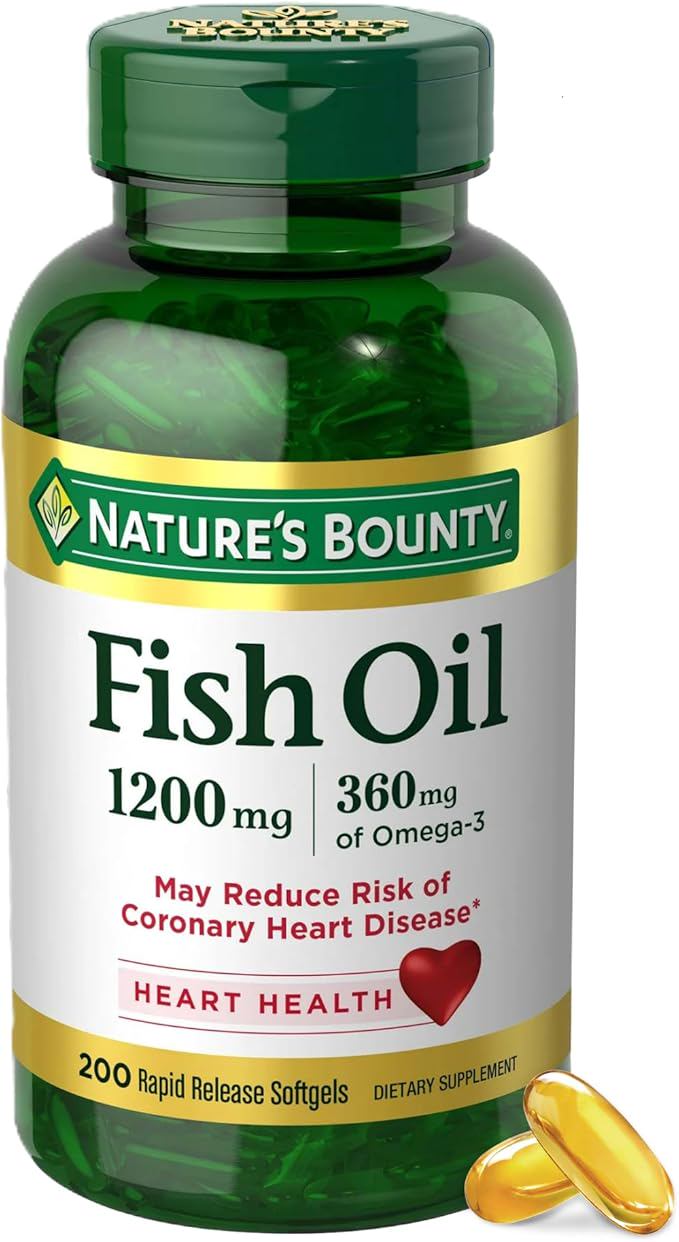
Omega-3s, particularly EPA and DHA found in fatty fish, have anti-inflammatory properties that help counteract the inflammatory response triggered by UV radiation. Chronic low-grade inflammation can accelerate skin aging and make cells more vulnerable to UV-induced mutations.
Include salmon, mackerel, sardines, or plant-based sources like flaxseeds, chia seeds, and walnuts several times a week. Some research suggests that people who eat more omega-3s show less sunburn reaction after UV exposure, though the effect is modest compared to sunscreen. Still, as part of a daily routine, these fats support overall skin health, reduce redness, and help repair damage faster.
5. Wear UPF-rated clothing and wide-brimmed hats as a habit
Physical barriers are the most reliable form of sun protection because they don't wash off or degrade over a few hours. By making UPF clothing part of your daily wardrobe—not just outdoor gear—you reduce the cumulative UV exposure that your face, neck, and chest receive even on ordinary days.
Choose lightweight, long-sleeved shirts and pants with a tight weave. A wide-brimmed hat (at least 3 inches all around) protects the scalp, ears, and nose—places where skin cancers commonly develop. The habit is simple: if you're going outside for more than a few minutes, cover up before you step out. This works especially well for the forearms and lower legs, which often get heavy sun exposure during commuting or short walks.
6. Use a daily antioxidant serum in the morning
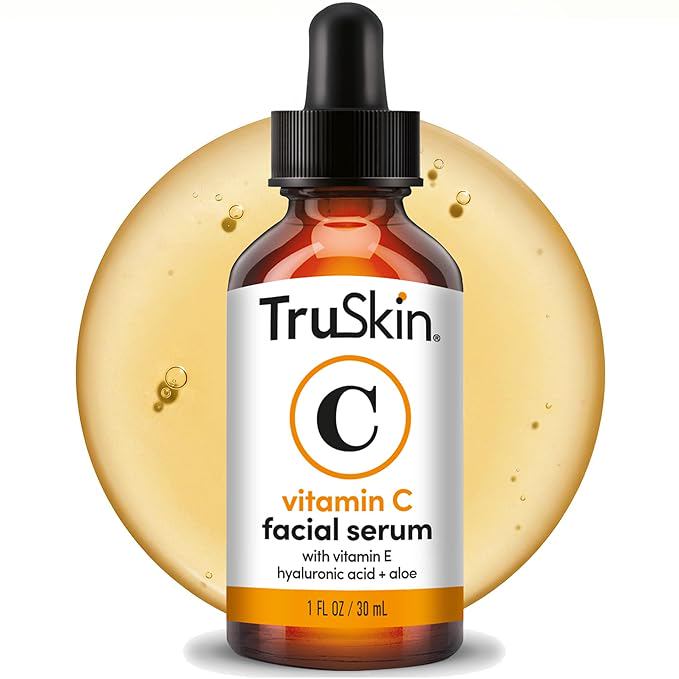
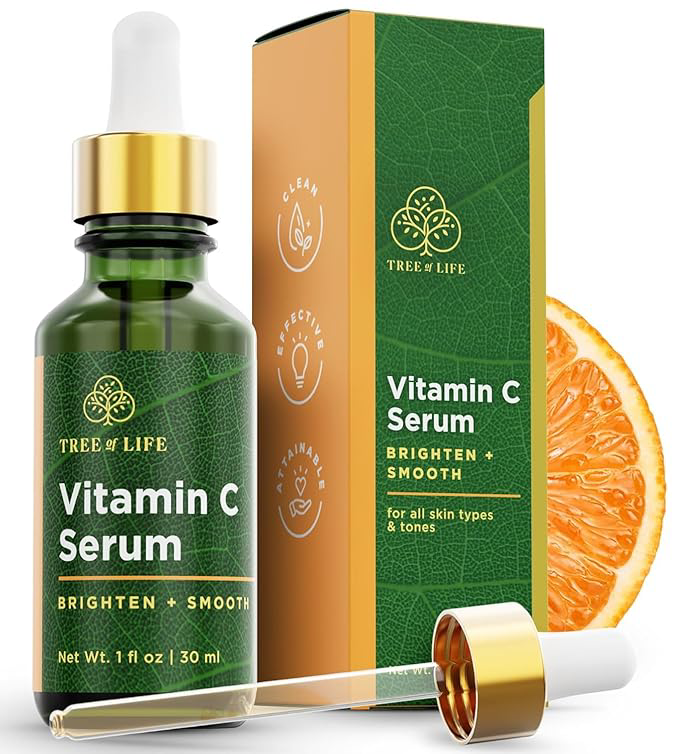
Topical antioxidants, especially vitamin C (ascorbic acid) in a stable form, concentrate in the upper layers of skin and scavenge free radicals generated by UV rays. They don't block UV light like sunscreen does, but they significantly reduce the oxidative damage that leads to premature aging and pigmentation.
Apply a few drops of a vitamin C serum after cleansing and before moisturizer in the morning, then follow with a broad-spectrum sunscreen. Over time, this pairing boosts your skin's natural repair enzymes and helps fade sun spots. Other antioxidants like vitamin E, ferulic acid, and niacinamide also contribute, but vitamin C is the most well-researched for daily photoprotection. Keep the serum in a dark bottle away from light to preserve its potency.
None of these habits require a complete lifestyle overhaul. Start with one or two—perhaps adding a leafy green to breakfast and wearing a hat on your afternoon walk—and build from there. Your skin's natural defense system is remarkably capable when you give it consistent, daily support.