Sticking to a high-protein diet often feels expensive, especially when you reach for pre-packaged protein bars or pricy cuts of meat. But with a little planning, you can swap in affordable, protein-packed ingredients that keep your meal prep budget-friendly and your energy steady all week.
Here are six simple snack swaps that boost protein without blowing your grocery budget — perfect for anyone who wants to eat well without the stress of overspending.
1. Greek yogurt instead of sour cream
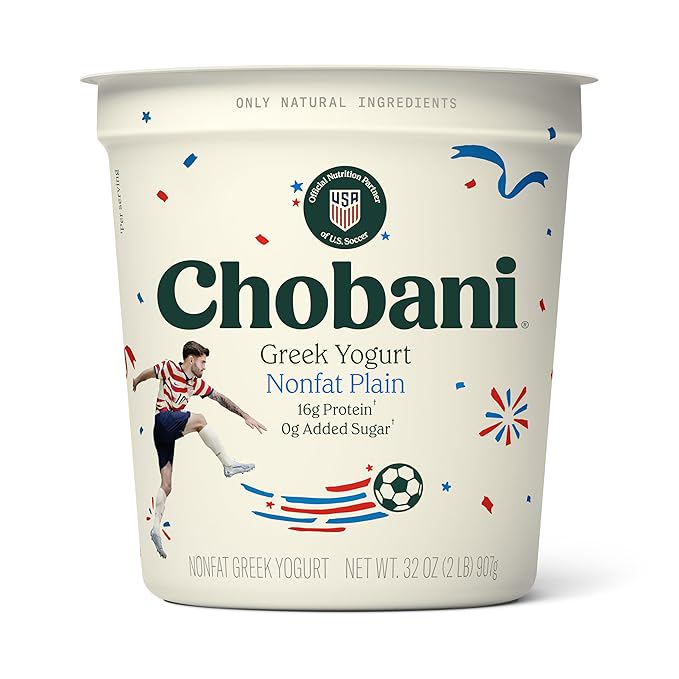
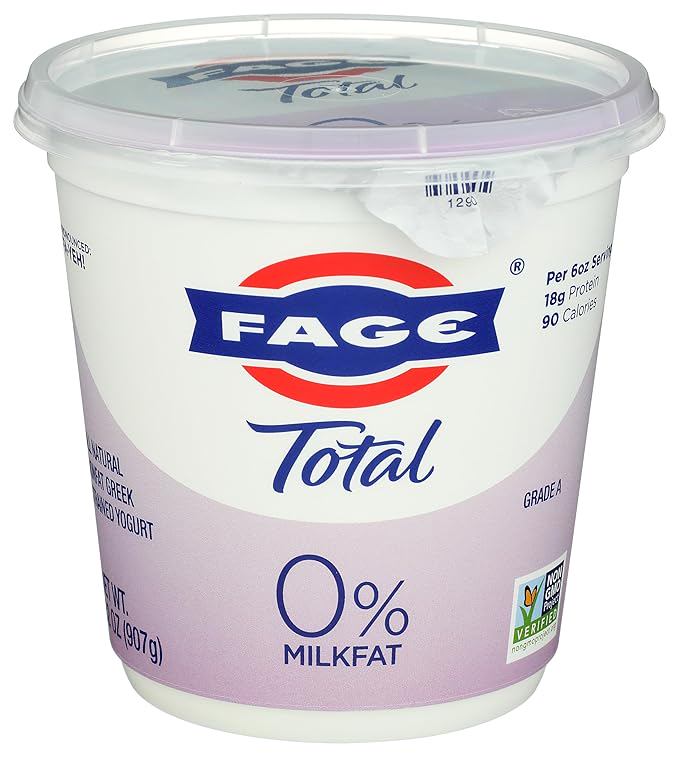
Plain Greek yogurt is a protein powerhouse — about 15–20 grams per cup — while sour cream offers roughly 5 grams. Use it as a topping for baked potatoes, tacos, or chili. You can also stir it into dips or dressings. The tangy flavor is surprisingly close, and the texture is just as creamy.
2. Canned tuna or salmon instead of deli meat
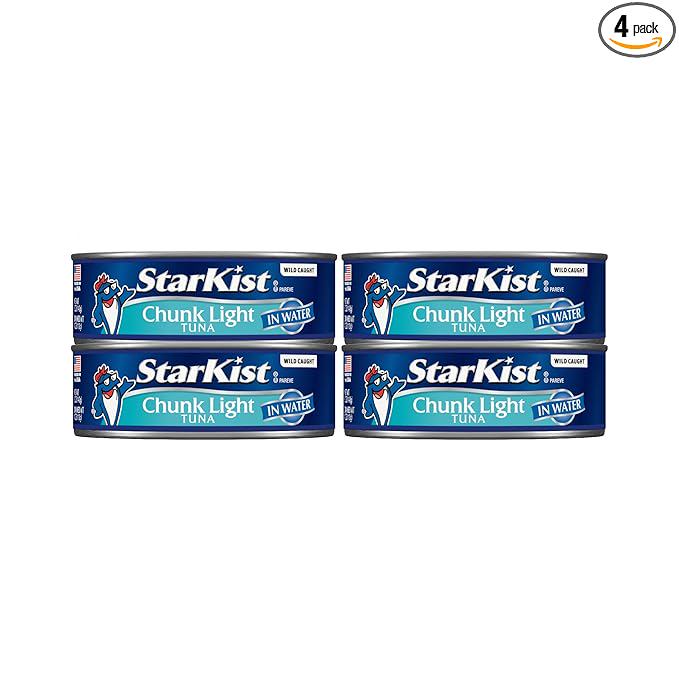
Deli meats can be pricey and often contain added sodium and preservatives. Canned tuna or salmon is shelf-stable, inexpensive, and delivers 20–25 grams of protein per can. Mix with a little Greek yogurt or mustard for a quick sandwich filling, or toss into salads and grain bowls.
3. Cottage cheese instead of cream cheese
Spread cottage cheese on toast or rice cakes, then top with everything bagel seasoning or sliced veggies. One cup of cottage cheese packs around 25 grams of protein, compared to cream cheese’s 7 grams. It’s also lower in fat and calories, making it a smart swap for savory snacks and even dessert bases.
4. Lentils or chickpeas instead of croutons
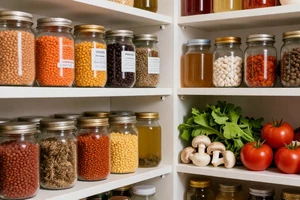
Croutons add crunch but very little protein. Roasted chickpeas or seasoned lentils give you that same satisfying crunch with 7–10 grams of protein per half-cup. Toss them onto salads, soups, or eat them by the handful. A bag of dried lentils costs around a dollar and makes several servings.
5. Hard-boiled eggs instead of crackers
Crackers are a go-to snack, but they’re mostly carbs. A couple of hard-boiled eggs provide 12–14 grams of protein, plus healthy fats and key nutrients like choline. Boil a batch at the start of the week and keep them in the fridge. Pair with a piece of fruit or a few veggies for a balanced mini-meal.
6. Edamame or tofu instead of cheese sticks
Cheese sticks are convenient but can be high in saturated fat and cost. Frozen edamame (shelled) is just as easy — steam for a few minutes and sprinkle with salt or chili flakes. Half a cup gives you about 11 grams of protein. For a savory snack, cube extra-firm tofu, toss with soy sauce and sesame oil, and bake until chewy. Both options are far cheaper per serving than most cheese sticks.
Quick tip: Batch-prep these swaps on Sunday — boil eggs, roast chickpeas, and portion out yogurt or cottage cheese into small containers. You’ll grab them every time.
Why these swaps work for meal prep
All six swaps rely on shelf-stable or long-lasting ingredients that you can buy in bulk. They also require minimal cooking. By replacing expensive, low-protein snacks with these affordable alternatives, you increase your daily protein intake without dramatically increasing your grocery bill.
Remember, it’s not about cutting out foods you love — it’s about making small changes that add up over time. Try one or two swaps this week and notice how your energy and satiety improve.