
When the day winds down and the mind refuses to follow, what you choose to sip can be a gentle signal to your nervous system that it’s time to rest. Instead of reaching for a stimulant or a nightcap, certain warm, soothing beverages can help ease the transition from wakefulness to sleep, offering nutrients that support relaxation and stress reduction. Dietitians often point to specific drinks that combine calming properties with sleep-promoting compounds, making them a valuable part of a nightly wind-down ritual.
Here are six dietitian-recommended bedtime drinks that can help support sleep and lower stress.
Tart Cherry Juice
Tart cherry juice is a standout for sleep support, primarily due to its natural melatonin content. Melatonin is the hormone that regulates your sleep-wake cycle. A small glass of unsweetened tart cherry juice in the evening provides a dietary source of this sleep-signaling compound. Beyond melatonin, tart cherries are rich in antioxidants and contain anti-inflammatory properties, which may help soothe the body after a long day. Opt for a juice that is 100% tart cherry without added sugars for the best effect.
Dietitians often suggest a four-ounce serving about 30 to 60 minutes before bed to allow the natural melatonin to begin its work.
Chamomile Tea
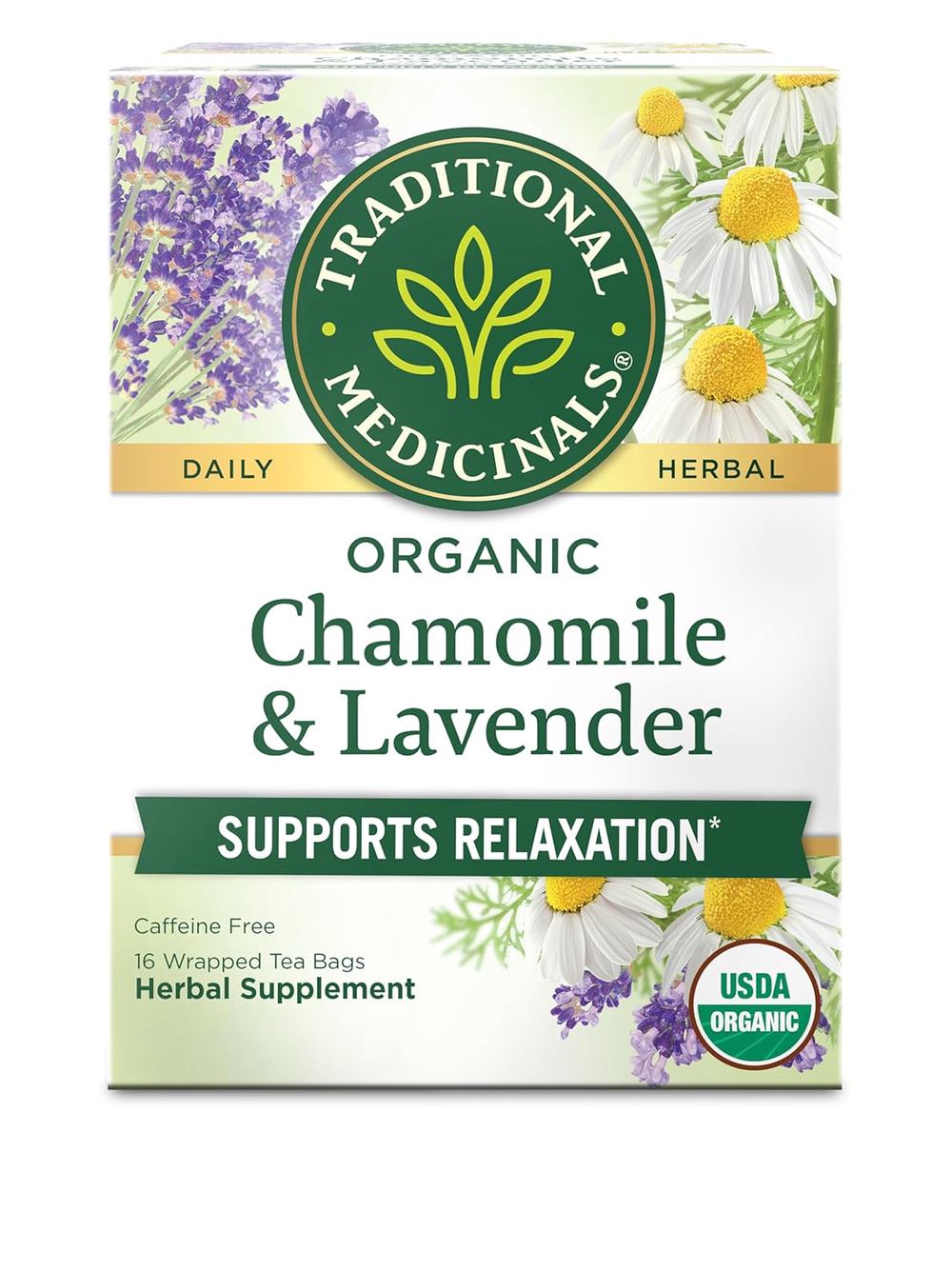
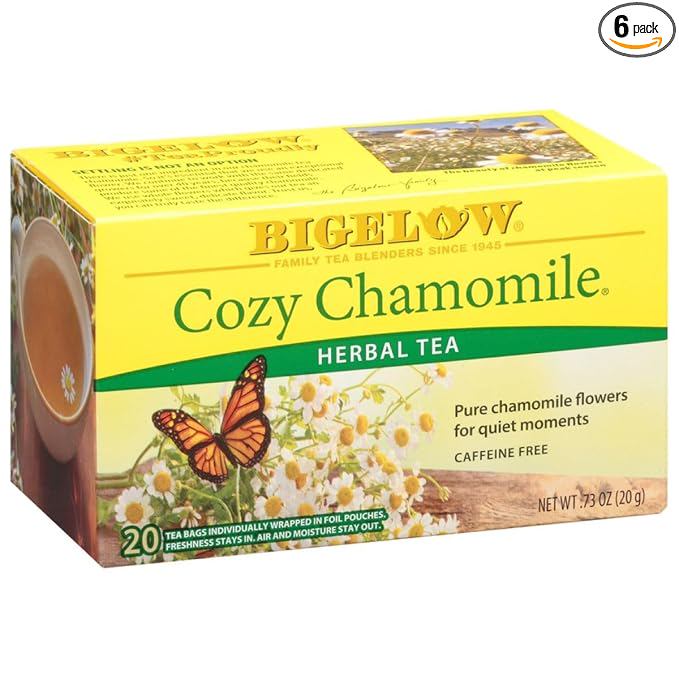
The classic bedtime tea, chamomile, has been used for centuries to promote calm. Its mild, floral flavor is often associated with relaxation. Research suggests that an antioxidant called apigenin, found in chamomile, may bind to specific receptors in your brain that help decrease anxiety and initiate sleep. It’s a caffeine-free, gentle option that works largely through its calming ritual—the act of brewing a warm cup and sipping it slowly can be a powerful mindfulness practice in itself.
Warm Milk
Warm milk isn’t just an old wives’ tale. Milk contains tryptophan, an amino acid that is a precursor to serotonin and melatonin. The warmth of the drink can also provide a comforting, nostalgic feeling that helps ease stress. For those who tolerate dairy, a cup of warm milk with a dash of cinnamon or nutmeg can be a simple, effective part of a bedtime routine. The key is choosing a milk you enjoy, whether it’s cow’s milk or a fortified plant-based alternative.
Valerian Root Tea
Valerian root is an herb frequently used in herbal medicine for its sedative qualities. Valerian root tea is known for its earthy, somewhat strong flavor, which is why it’s often blended with other calming herbs like lemon balm or chamomile. Studies indicate it may help improve sleep quality and reduce the time it takes to fall asleep. Because it can interact with certain medications, it’s wise to consult with a healthcare provider before making it a regular part of your routine, especially if you are pregnant, nursing, or taking other sedatives.
Magnesium-Rich Drinks
Magnesium is a mineral that plays a crucial role in supporting deep, restorative sleep by regulating neurotransmitters and the sleep hormone melatonin. It also helps relax muscles and calm the nervous system. You can find it naturally in certain beverages or as an addition to a warm drink.
- Magnesium Powder in Warm Water: Dissolving a magnesium citrate or glycinate powder in warm water creates a simple, calming drink.
- Banana-Almond Milk Smoothie: Blend a banana (a good source of magnesium and potassium) with unsweetened almond milk (which also contains magnesium) for a creamy, sleep-supportive treat.
Starting with a lower dose of supplemental magnesium is advisable to assess tolerance.
Passionflower Tea
Passionflower tea is another herbal ally for a restless mind. Traditionally used to alleviate anxiety and insomnia, passionflower is believed to increase levels of gamma-aminobutyric acid (GABA) in the brain. GABA is a neurotransmitter that lowers brain activity, helping you feel more relaxed. Its mild, slightly sweet flavor makes it a pleasant tea to sip as you read or journal before bed. Like valerian, it’s best used occasionally and with awareness of any potential interactions with medications.
Creating Your Bedtime Ritual
The effectiveness of these drinks is often enhanced by the context in which you enjoy them. Drinking them while scrolling through a bright screen or finishing a stressful work task can counteract their benefits. Instead, try pairing your chosen beverage with other relaxing activities: dim the lights, listen to soft music, read a book, or practice gentle stretching. This creates a compounded signal to your body that the day is over and rest is welcome.
It’s also important to listen to your body. While these drinks are generally safe for most people, they are not a cure for chronic sleep disorders or severe anxiety. If sleep problems persist, consulting a healthcare professional is the best course of action. For many, however, incorporating one of these dietitian-backed drinks into a consistent evening routine can be a simple, nurturing step toward more peaceful nights.