
Sleep is one of the most powerful tools for recovery and resilience, yet it's often the first thing to slip when stress runs high. Instead of scrolling or lying awake replaying the day, try signal your nervous system that it's time to rest with a warm, soothing beverage. Dietitians and sleep experts consistently highlight several brews and blends that can support your body's natural wind-down process.
These six drinks go beyond old advice about warm milk (though that's on the list). Each one contains compounds—from magnesium and glycine to L-theanine and melatonin—that encourage relaxation, lower cortisol, and help you fall asleep faster. No sedatives, no complicated rituals: just a warm mug and a few thoughtful ingredients.
1. Tart Cherry Juice
Tart cherry juice is one of the most widely studied natural sleep aids. It's a rare dietary source of melatonin, the hormone that regulates your sleep-wake cycle. A 2018 study in the American Journal of Clinical Nutrition found that adults who drank tart cherry juice twice daily for two weeks slept longer and better than those who drank a placebo. The anthocyanins (the pigments that give cherries their deep red color) also help reduce inflammation and oxidative stress—two factors that can keep your body in a restless, high-alert state.
How to take it: A small glass about 30 to 60 minutes before bed. Look for unsweetened varieties to avoid a sugar spike that could interfere with sleep.
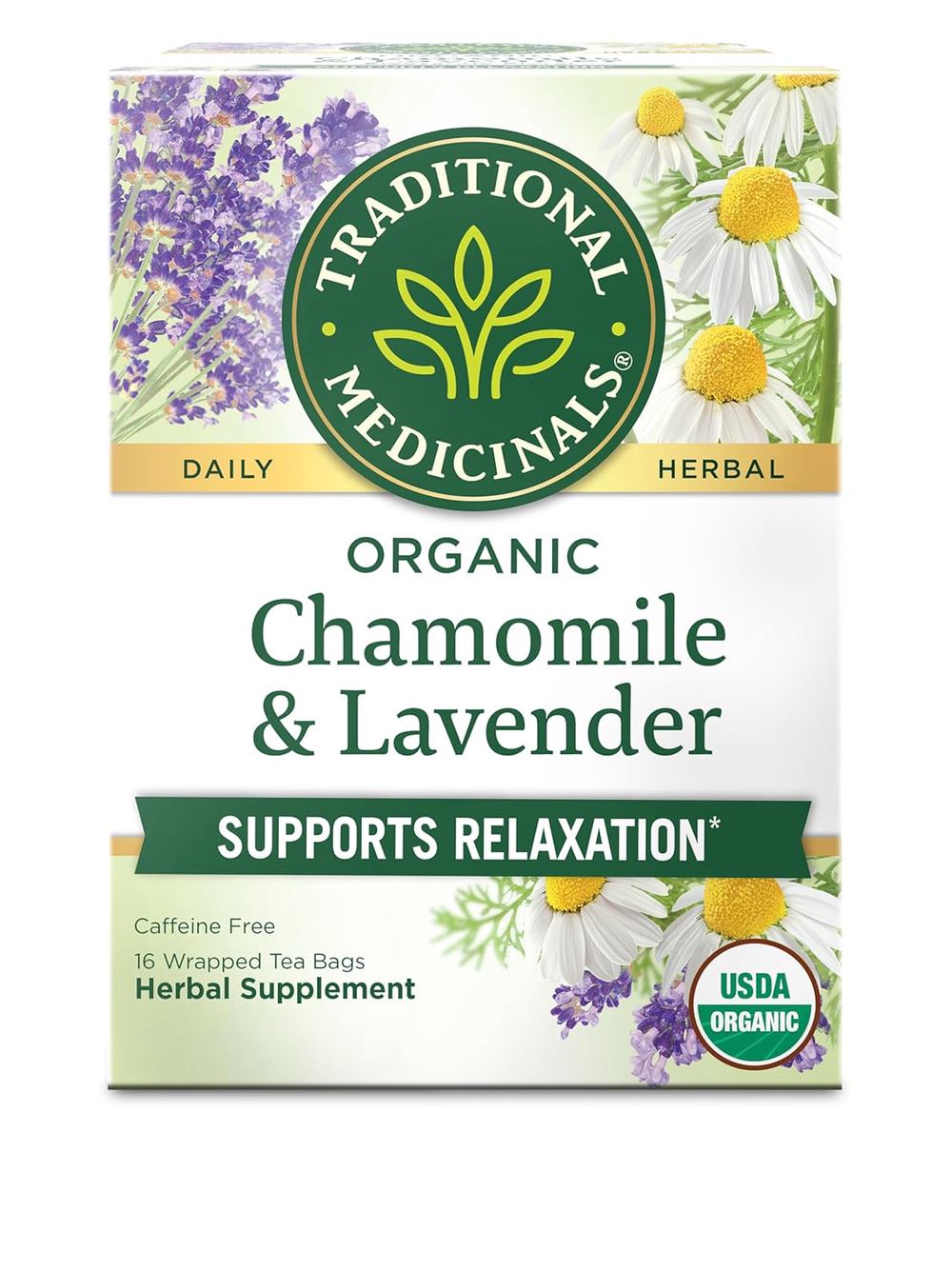
2. Chamomile Tea
If you've ever reached for a mug of chamomile before bed, you already know why it's a classic. Chamomile contains apigenin, an antioxidant that binds to certain benzodiazepine receptors in the brain, producing a mild, calming effect without acting as a sedative. A 2016 meta-analysis in Phytotherapy Research concluded that chamomile can modestly improve sleep quality and reduce symptoms of anxiety over time.
Pro tip: Steep a single tea bag (or a tablespoon of dried flowers) in hot water for at least five minutes, cover the cup to keep the volatile oils in, and sip slowly. It's not a strong knock-out—think of it as a gentle nudge toward drowsiness.
3. Warm Milk (or Golden Milk)
Warm milk before bed might sound like a nursery tale, but there's solid biochemistry behind it. Milk contains tryptophan, an amino acid the body uses to produce serotonin, which in turn converts to melatonin. The warmth alone can be psychologically soothing. Many dietitians suggest upgrading plain milk to golden milk—a blend of milk or plant-based milk, turmeric, a dash of black pepper (which boosts curcumin absorption), and sometimes a pinch of cinnamon or ginger. Curcumin helps tone down inflammation, and the ritual of making it can be as calming as the drink itself.
Watch out for: Added sugar or honey in large amounts. A small teaspoon is fine, but too much sugar can cause a blood-sugar dip in the middle of the night that wakes you up.
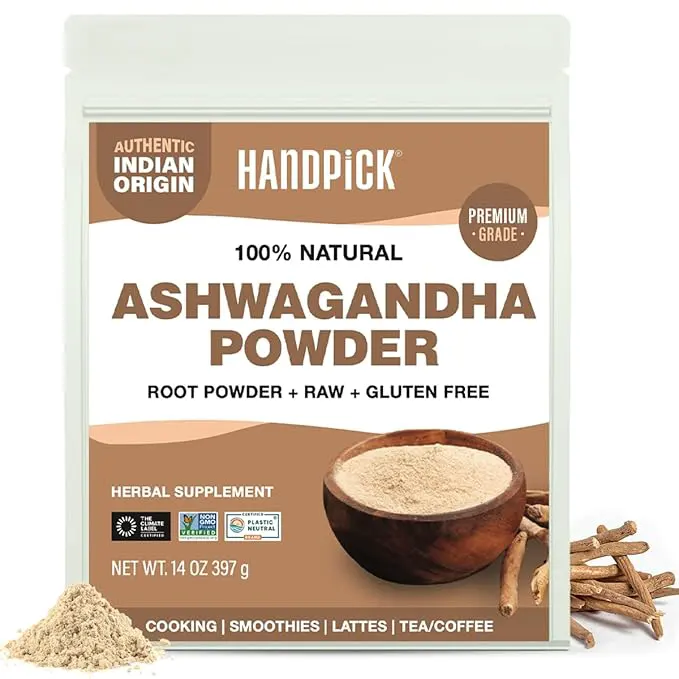
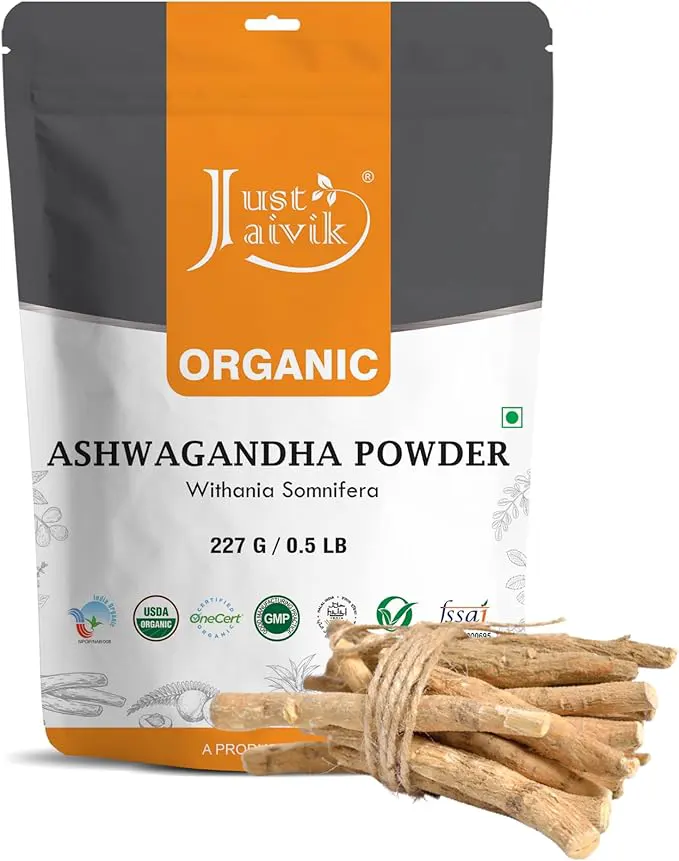
4. Ashwagandha Latte
Ashwagandha is an adaptogenic herb—meaning it helps your body handle stress by modulating cortisol levels. A 2019 randomized, double-blind study in Medicine found that participants who took 240 mg of ashwagandha extract daily reported significant improvements in sleep quality and mental alertness upon waking. Mixing ashwagandha powder into warm milk or a plant-based milk alternative creates a modern take on the classic sleep latte.
One caveat: Ashwagandha can interact with thyroid medications and some sedatives, so if you're on any prescription, check with your doctor before making it a nightly habit.
5. Passionflower Tea
Passionflower is another herb with a strong track record for easing anxiety and promoting sleep. Researchers think it works by increasing levels of gamma-aminobutyric acid (GABA) in the brain—your primary inhibitory neurotransmitter, which calms neural activity. A small 2011 trial in Phytotherapy Research compared passionflower tea to a placebo in adults with mild insomnia and found that the tea group had significantly better sleep quality scores.
Flavor note: Passionflower tea has a mild, slightly grassy flavor—not as floral as chamomile. Many people blend it with a little honey and lemon for a more refreshing nighttime sipper.
6. Magnesium-Packed Bedtime Drink (like "Calm" or a DIY version)
Magnesium is a mineral that plays a central role in sleep regulation. It helps activate the parasympathetic nervous system (the "rest and digest" mode) and keeps GABA receptors working efficiently. A 2012 study in the Journal of Research in Medical Sciences found that magnesium supplementation improved sleep quality in older adults with insomnia. While you can take a magnesium supplement pill, many people find a warm drink with powdered magnesium citrate (like the popular brand Calm) easier to absorb and more pleasant to consume.
Easy DIY: Stir a teaspoon of food-grade magnesium powder into a mug of hot water—plain or with a squeeze of lemon. Some dietitians recommend pairing it with a small handful of almonds or a banana for a complete bedtime snack.
What to avoid in your bedtime drink
Not every warm beverage is sleep-friendly. Avoid caffeine (obviously), but also be mindful of hidden stimulants in herbal teas labeled "energy" or "detox." Sugar and artificial sweeteners can spike blood glucose and suppress melatonin production. Stick to unsweetened, whole-ingredient drinks. And remember: timing matters. Drinking a full glass right before you lie down can send you running for the bathroom in the middle of the night. Aim to finish your drink 30 to 60 minutes before your head hits the pillow.
The bigger picture: drinks are a ritual, not a pill
What makes these drinks effective isn't just the chemistry—it's the ritual. Brewing a cup, sitting in a quiet space, and holding something warm signals your brain that it's safe to let go. No single drink will fix chronic insomnia or high anxiety, but consistently pairing a calming beverage with 15 minutes of screen-free downtime creates a powerful sleep cue. Think of it as a nightly anchor: something simple you do for yourself before the day ends.
Routine idea: Start with one drink from this list, have it at the same time each evening, and pair it with a short wind-down activity (a few deep breaths, gentle stretching, or jotting down tomorrow's top three tasks). Over two weeks, your body will begin to anticipate sleep as soon as you reach for the mug.