You slather on sunscreen every morning. You reapply after a swim. You’re doing everything right, aren’tyou? Not necessarily. Even the most diligent sunscreen routine can fail if the product itself isn’t doing its job. Understanding whether your sunscreen is actually protecting your skin—rather than just sitting there—means knowing what to look for, from texture changes to sun exposure outcomes.
The reality is that sunscreen effectiveness depends on formulation stability, application technique, and timing. Below are five unmistakable warning signs that your sunscreen may not be offering the broad-spectrum protection you need. If you spot any of these, it’s time to re-evaluate your sun defense strategy.
Sign 1: You’re Getting a Sunburn (Even a Mild One)
This is the most obvious flag. If you end the day with pink skin, redness, or any tenderness—even if you wore SPF 50—your sunscreen is failing. A few things could be going on.
First, you might not have applied enough. Most people use less than half the recommended amount. Second, your sunscreen might have degraded due to heat exposure or age. Third, the formula may lack stable UVA filters, meaning you’re protected from UVB (burning rays) but not UVA (aging rays), which can also cause redness in sensitive skin.
Quick check: Apply a full shot-glass-sized amount for your body and a nickel-sized dollop for your face. If you still burn, the sunscreen chemistry is unreliable.
Sign 2: The Texture Has Changed—Separation, Graininess, or Wateriness
Your sunscreen should be smooth and uniform. If you squeeze out a product that looks separated (oil floating on top of a watery layer), feels gritty, or has a thin, watery consistency that runs off your hand, its emulsion has likely broken.
Chemical sunscreens, in particular, rely on a stable blend of oils and active ingredients. When the emulsion splits, the UV filters can’t disperse evenly, leaving gaps in protection. This often happens after a product has been stored in a hot car or in direct sunlight, or after its expiration date has passed.
If the texture seems off, do not use it. Toss it and buy a fresh bottle.
Sign 3: It Stings, Burns, or Causes Breakouts
A sunscreen that causes immediate stinging or burning around your eyes, or that triggers acne-like bumps within hours, may be irritating your skin barrier. This doesn’t always mean the SPF is inactive, but it means the product contains a chemical filter or preservative your skin dislikes—often oxybenzone, octinoxate, or fragrances.
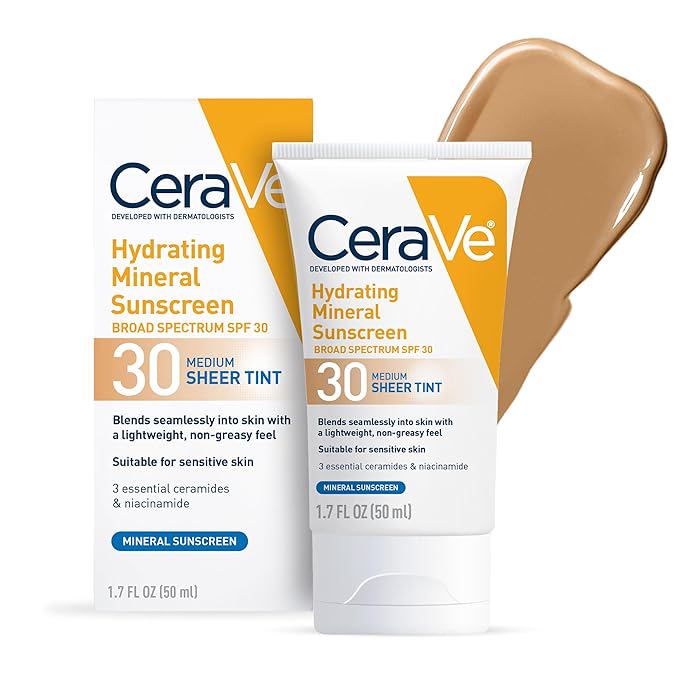
Chronic irritation compromises the skin’s natural protective layer. When the barrier is disrupted, your skin becomes more vulnerable to UV damage, making the sunscreen ineffective on a deeper level. If you consistently react to a formula, switch to a mineral sunscreen with zinc oxide or titanium dioxide, which sit on the skin surface instead of absorbing in.
Sign 4: It Pills or Peels Off During the Day
You apply sunscreen, wait a few minutes, then head out. By midday, you notice little white flakes or roll-ups on your face and clothing. That’s pilling, and it means the sunscreen isn’t forming an even, durable film on your skin.
This often happens when sunscreen interacts poorly with other skincare products (like silicone-heavy primers or water-based serums) or when the product itself has poor film-forming polymers. When a sunscreen pills, it literally rubs off, leaving bare patches of skin exposed to the sun.
To diagnose this, try applying sunscreen alone on clean skin. If it still pills, the formula lacks staying power and is unlikely to provide adequate all-day protection.
Sign 5: It Fails the “Water Test” or Wears Off Too Fast
Sunscreen labeled “water-resistant” should hold up for 40 or 80 minutes in water, per FDA guidelines. But lots of products claim this label without delivering. A simple at-home test: apply sunscreen to your forearm, let it dry fully, then run it under lukewarm tap water. If the product beads up and stays put, it’s functional. If the water washes it away immediately, the water resistance is minimal.
Similarly, if you find that your sunscreen seems to disappear after just 60 minutes of normal activity (no swimming or heavy sweating), it’s not bonding to your skin. Reapplication every two hours is always necessary—but if it’s gone in 30 minutes, you’re not getting the SPF you paid for.
How to Choose a Sunscreen That Actually Protects You
Now that you know the warning signs, here’s what to look for in a reliable product. Start with broad-spectrum labeling—this guarantees protection against both UVA and UVB rays. Opt for an SPF of at least 30 to start, though SPF 50 offers a meaningful edge.
Check the ingredient list. Mineral sunscreens with zinc oxide (at least 10-15%) are inherently stable and don’t degrade quickly. If you prefer chemical sunscreens, look for newer, photostable filters like avobenzone stabilized with octocrylene, or Tinosorb S/M (not always listed on US labels, but common in Korean and European brands). Avoid products with expired dates or those that have been stored in hot conditions.
Finally, don’t rely on SPF alone. Protection also comes from shade, protective clothing, wide-brimmed hats, and timing your outdoor activities to avoid peak UV hours (10 AM to 4 PM). Sunscreen is one tool—a critical one—but not the only one.