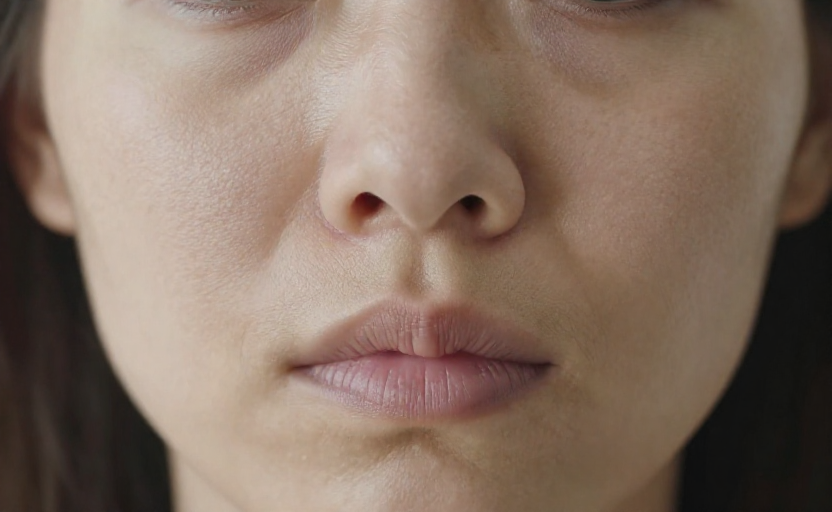
You might think your skin is just dry. But what if it's actually dehydrated? The two conditions feel similar—tightness, flakiness, a dull complexion—but they are fundamentally different problems that require different solutions. Dry skin is a skin type, meaning your skin naturally produces less oil. Dehydrated skin, on the other hand, is a temporary condition caused by a lack of water in the skin's outermost layer. This distinction matters because a person with oily skin can still have dehydrated skin, and using the wrong moisturizer won't fix the real issue.
How can you tell if your skin is crying out for water instead of oil? Watch for these five warning signs.
1. You see fine lines that weren't there before
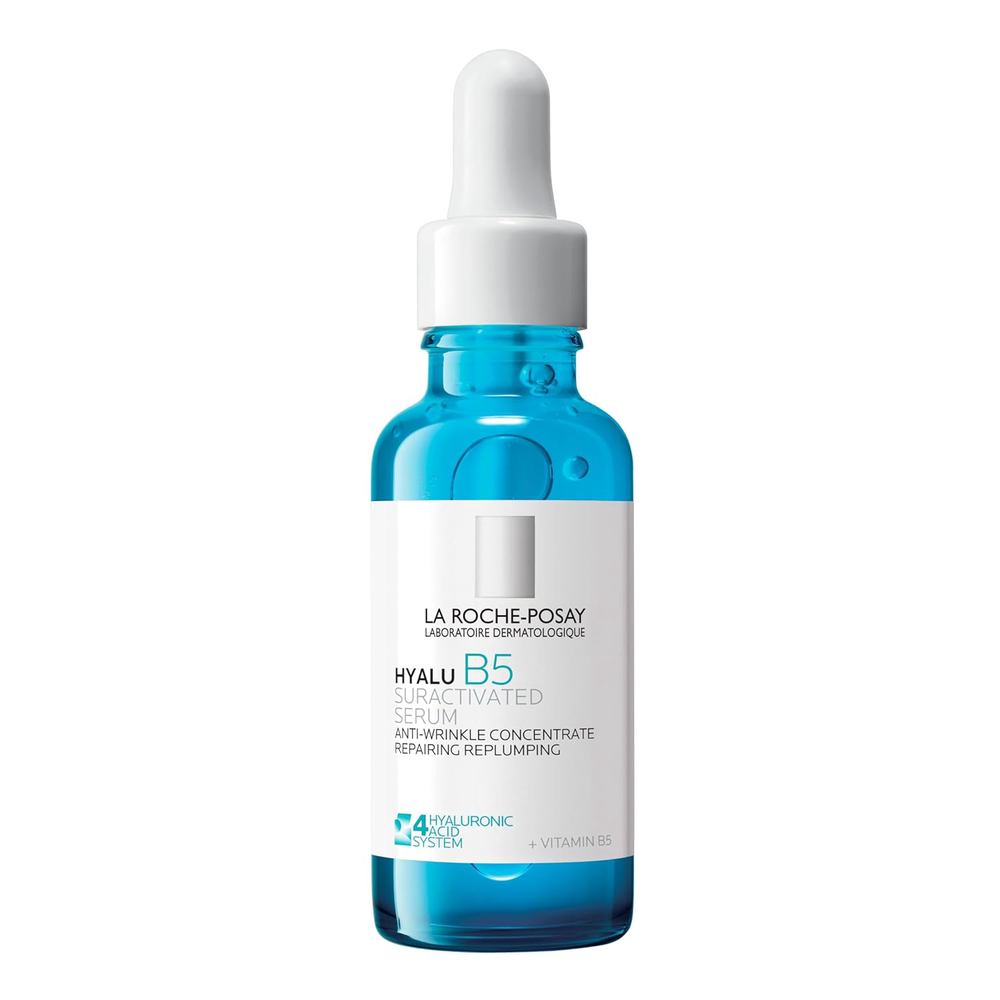
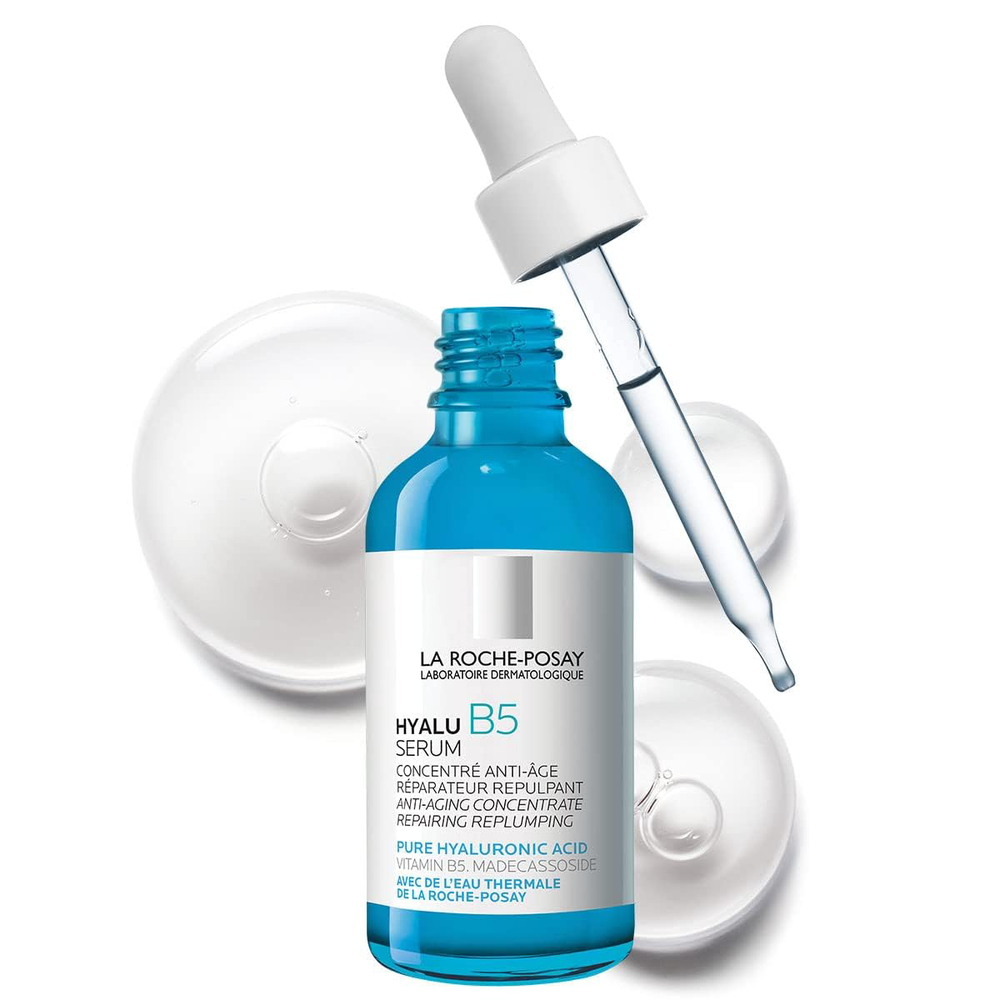
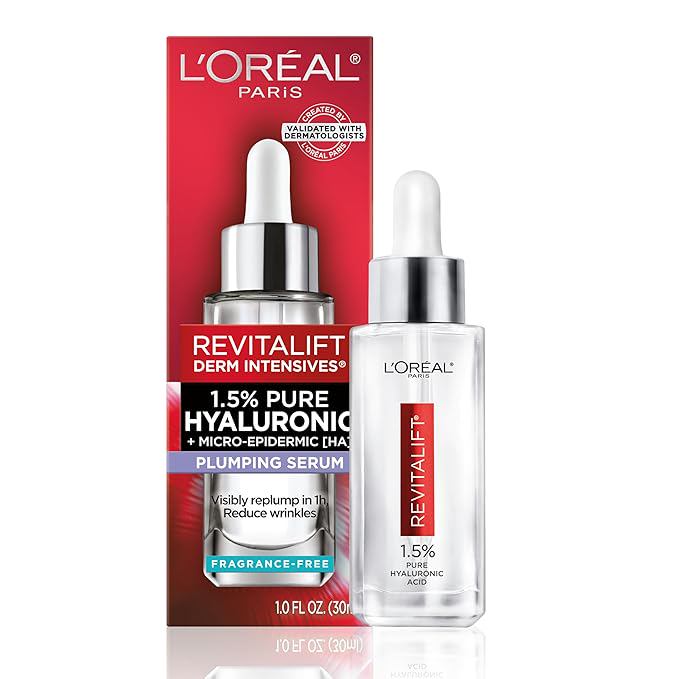
One of the earliest signals of dehydration is the sudden appearance of fine lines, especially around the eyes, mouth, and across the forehead. These aren't the deep, age-related wrinkles that develop over years. Dehydration lines look more like tiny, shallow creases or a “crinkly” texture that becomes more noticeable after washing your face. When your skin's water content drops, the cells shrink slightly, causing the top layer to pucker into those temporary lines. If the creases soften or disappear when you gently stretch the skin, you are likely seeing dehydration, not permanent aging. Drinking more water and using a hydrating serum with ingredients like hyaluronic acid can help plump the skin back up.
2. Your complexion looks dull and feels tight
That trademark glow you love? It is actually a reflection of light off of plump, well-hydrated skin cells. When the skin is dehydrated, the surface becomes rough and slightly irregular, scattering light in a way that makes your face look flat, dull, or even ashy. You might also feel a persistent tightness—especially after cleansing or being in a dry, air-conditioned room. This is your skin telling you its moisture barrier is compromised. A good test: if you can literally feel your skin pull when you smile or make a neutral expression, you are experiencing dehydration, not simple dryness. Dry skin usually feels tight all the time, but dehydrated skin may feel oily yet still tight, like a mask.
3. Your skin is more sensitive or itchy than usual
Dehydration disrupts the skin's protective barrier, making it less able to fend off irritants. If your face is reacting to products it normally tolerates—or if you feel a stinging sensation when applying a new moisturizer or sunscreen—dehydration could be the culprit. Itchiness is another common sign. Without enough water, the skin's enzyme activity slows down, and dead cells build up, causing irritation. This is different from the tightness of dry skin; dehydrated, sensitive skin often feels prickly or inflamed. You might also notice redness or blotchiness after washing your face with hot water or after spending time in the wind. The solution here is not to apply rich creams (which can clog pores if you are oily) but to add humectants like glycerin or aloe vera that draw water into the skin.
4. Your skin feels oily but looks flaky
This is perhaps the most confusing sign. You might see shine on your T-zone or feel greasy by midday, yet the same patches of skin look dry and flaky, especially on the cheeks or around the nose. This is a classic sign of dehydrated skin. When the surface layers lack water, the sebaceous glands can overcompensate by pumping out extra oil to try to lock in what little moisture remains. The result is a “combination” look that is simultaneously oily and peeling. If you treat this with mattifying products or harsh cleansers, you strip away the oil and make the dehydration worse. Instead, look for an oil-free, water-based moisturizer or a lightweight gel that hydrates without adding grease. Niacinamide can also help regulate oil production while supporting the moisture barrier.
5. Your undereye area looks shadowed or sunken
The skin around the eyes is the thinnest on the body and the first place to show a lack of water. If you notice dark circles that seem more pronounced than usual, or if the hollow under your eye looks slightly sunken, dehydration is a likely reason. The absence of water volume makes the blood vessels under the thin skin more visible, creating a grayish or bluish tint. You might also see a fine, crepey texture that disappears after you apply a hydrating eye cream or after a full glass of water. This is a key visual cue that distinguishes dehydration from the natural aging process. If the area looks better in the morning after a night of good hydration, you have your answer.
Understanding these five signs can save you from a cycle of buying the wrong products. The next time your skin feels tight, check for fine lines. If you see both oil and flakes, reach for a water-based hydrator rather than a heavy cream. And if your eyes look tired even when you are well-rested, start with your water intake. Your skin will thank you for giving it what it actually lacks.