
You probably know that slouching at your desk can lead to back pain and neck stiffness. But what you might not realize is that the way you sit—especially for hours at a time—can also interfere with your digestive system. The connection between posture and digestion is real, and your body sends signals when something is off. Here are five warning signs that your sitting posture may be affecting how well you digest your food.
1. You feel bloated or gassy after sitting for a while
If you notice that your abdomen feels uncomfortably full or tight after a long stretch at your desk, your posture could be part of the problem. When you slump forward, you compress your abdominal cavity. This puts pressure on your stomach and intestines, which can slow down the movement of gas and food. Instead of passing through smoothly, contents can get stuck, leading to bloating and gas. Try sitting up tall with your shoulders back and your hips slightly higher than your knees. This simple shift can relieve that internal pressure.
2. You experience heartburn or acid reflux more often when seated
Leaning forward or hunching over after a meal creates a direct path for stomach acid to travel upward into your esophagus. This is especially true if your chair forces your hips into a sharp angle. The lower esophageal sphincter—a muscle that normally keeps acid in your stomach—can be overwhelmed by the added abdominal pressure. If you frequently reach for antacids during your workday, check your seating position. Keep your upper body upright and avoid leaning over your keyboard immediately after lunch.
3. You feel sluggish or heavy after meals
Posture doesn't only affect the mechanical process of digestion; it also influences blood flow. When you sit with poor posture—especially if your lower back is rounded or you're slouched to one side—you can reduce circulation to your digestive organs. This makes it harder for your stomach and intestines to do their job. If you often feel tired or weighed down after eating, even a light meal, your seated position may be robbing your gut of the blood flow it needs. Standing up and walking briefly after eating can help, but so can simply sitting with better alignment.
4. You have irregular bowel movements or constipation
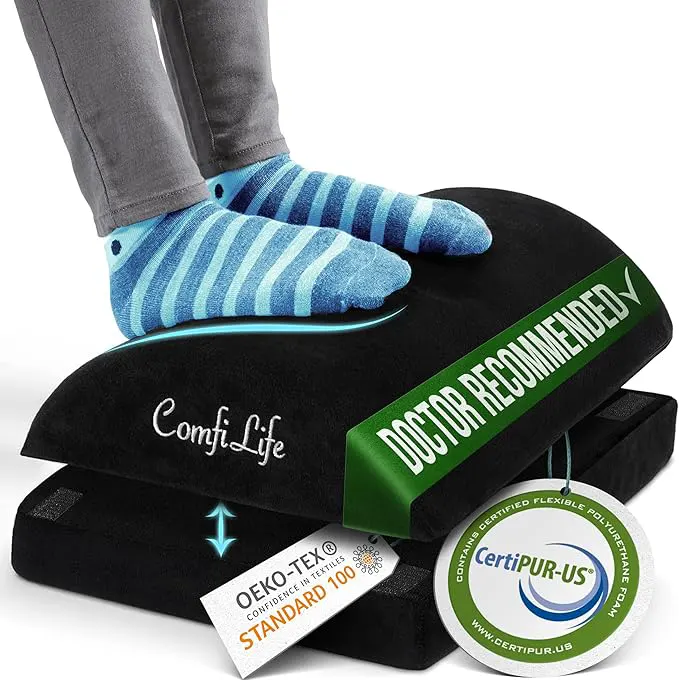
Your colon relies on a combination of muscle contractions and gravity to move waste through your system. When you sit for prolonged periods in a collapsed position, you can literally kink or compress parts of your colon. Over time, this can contribute to sluggish bowel movements and constipation. If you notice that your bathroom schedule changes on days when you sit a lot versus days when you're more active, your chair may be part of the issue. Adjust your seat so that your knees are at a 90-degree angle and your feet rest flat on the floor. This helps keep your pelvic floor and colon in a neutral position.
5. You feel a dull ache or pressure in your lower abdomen
Not all digestive discomfort is obvious bloating or pain. Some people experience a vague sense of pressure or achiness low in the belly. This can happen when your sitting posture puts steady strain on your pelvic floor muscles and the surrounding connective tissue. A forward tilt of the pelvis or a tucked-under tailbone can cause this sensation. If you feel this kind of dull ache, especially toward the end of the day, try using a lumbar support or a small cushion behind your lower back. This helps maintain the natural curve of your spine and takes pressure off your abdomen.
What you can do about it
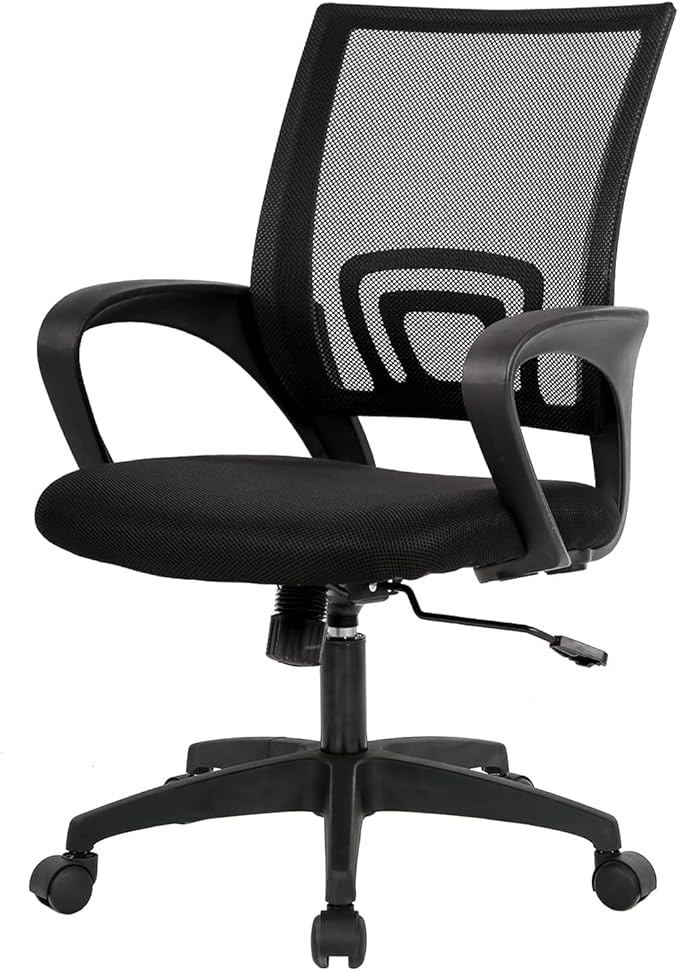
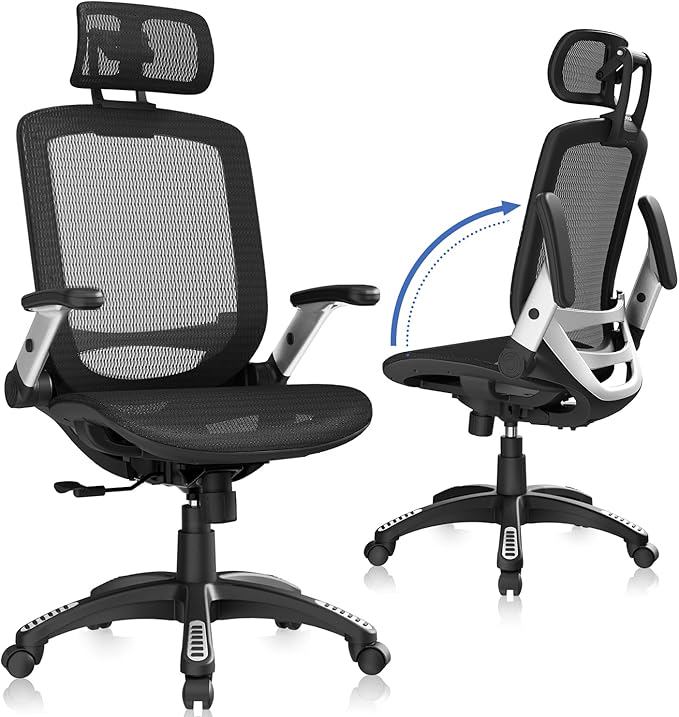
Changing your sitting posture doesn't require a complete office overhaul. Start by checking that your chair supports your lower back, your feet are flat on the floor, and your screen is at eye level. Take a brief standing break every 30 minutes—just to reset your spine and let your digestive organs relax. Gentle core-strengthening exercises can also help you hold better posture naturally. Small adjustments, repeated consistently, can make a real difference in how your digestion feels by the end of the day.