
You sit down after a busy morning, and suddenly your heart skips a beat—or races for no clear reason. It is a disconcerting sensation, especially when it comes and goes without warning. For many women navigating menopause, heart palpitations are a common, often harmless side effect of shifting hormones. But how do you know when a flutter is simply a passing nuisance and when it signals something more serious?
It is a crucial distinction to make. While fluctuating estrogen can make the heart feel like it is misbehaving, true cardiac events can present in similar ways. The key is not to ignore the sensation but to learn the specific contexts and accompanying symptoms that warrant a call to your healthcare provider. Below are the five most important warning signs that a medical check is in order—not to frighten you, but to give you clear guidance on when to take action.
1. The Palpitations Come With Chest Pain or Pressure
The most critical distinction between a benign palpitation and a potentially dangerous one is the presence of chest discomfort. A harmless skipped beat usually feels like a quick flip-flop in the throat or chest and passes within seconds. If, however, your heart racing is accompanied by even mild chest pain, a sensation of tightness, pressure, or squeezing—especially if it radiates to your arm, jaw, or back—you should not wait to see if it resolves on its own.
Fast action needed: Any chest discomfort paired with an irregular heartbeat is a reason to seek same-day medical attention, even if you are young and otherwise healthy.
2. You Suddenly Feel Dizzy or Lightheaded
Occasional lightheadedness when you stand up too quickly is normal. But when palpitations strike and your vision goes dim, you feel unsteady on your feet, or you actually faint (syncope), that is a red flag. Your heart is not just fluttering; it is struggling to pump effectively enough to keep blood flowing to your brain. This symptom separates a benign rhythm disturbance from one that could be due to a low blood pressure event, a significant arrhythmia, or even a valve problem.
Do not dismiss this as just being tired or having low blood sugar. If you feel that the world is spinning or you nearly black out during an episode, write down how long it lasted and mention it to your doctor promptly.
3. Your Heart Rate Stays Elevated for a Long Time
A single skipped beat is different from a run of rapid heartbeats that does not stop. Normal palpitations tend to come and go in short bursts—seconds to a minute. If your heart rate suddenly accelerates to over 120 beats per minute while you are at rest and it persists for several minutes or longer, it may indicate a condition such as supraventricular tachycardia (SVT) or atrial fibrillation. Menopause can unmask these underlying rhythm disorders that were previously silent.
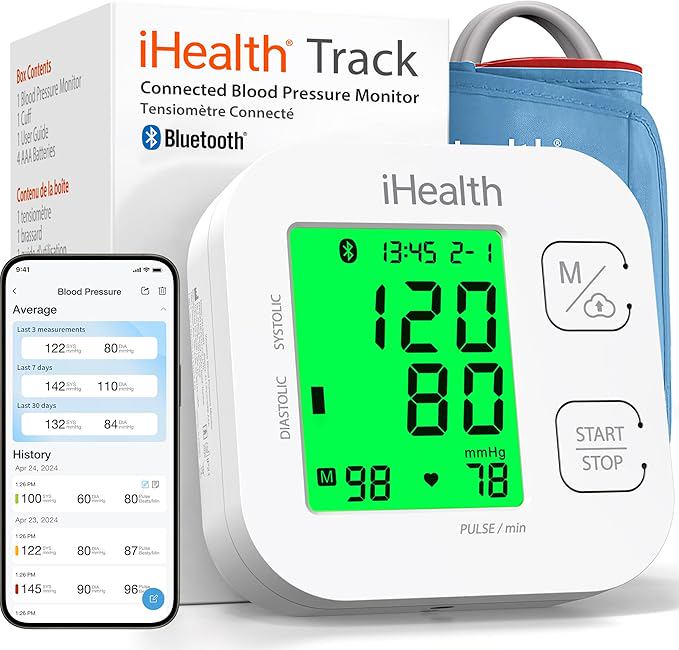
If you have a smartwatch or a blood pressure monitor, note your pulse during these longer episodes. Knowing the exact rate and duration helps your doctor decide if you need an electrocardiogram (ECG) or a Holter monitor.
4. The Palpitations Are Accompanied by Shortness of Breath
Feeling like you cannot catch your breath after climbing stairs is one thing. Feeling winded while sitting in a chair or during a light conversation—at the same time your heart is racing—is another. Shortness of breath during palpitations suggests that your heart is not moving blood efficiently enough to meet your body's needs. This can be a sign of heart failure, a valve disorder, or a significant arrhythmia. Do not attribute it solely to anxiety or a hot flash. If breathing becomes difficult during an episode, it is a direct signal that your cardiovascular system is under stress.
5. The Pattern Suddenly Changes or Gets Much Worse
Perhaps you have had mild palpitations for years that you could ignore. If the pattern changes abruptly—they become much more frequent, last longer, or feel noticeably stronger—take note. Similarly, if you have a known history of mild mitral valve prolapse or a benign extra beat, but now you are developing whole new symptoms like those above, it is time for a reassessment. Hormone fluctuations during the menopause transition are not static; as your estrogen levels continue to drop, your heart's responses can shift.
Tracking your symptoms for a week or two before your appointment—noting the time of day, what you were doing, what you ate or drank, and how long it lasted—gives your doctor real data to work with.
Heart palpitations during menopause are very common, and most of the time they do not require treatment beyond stress management and staying hydrated. But your gut instinct matters. If a symptom feels wrong or you are worried, listen to that feeling. The line between an annoyance and a medical problem is drawn by the presence of chest pain, fainting, or breathing trouble—and by a change in the established pattern. When in doubt, a single visit to a primary care provider can either give you peace of mind or catch something early when it is most treatable.