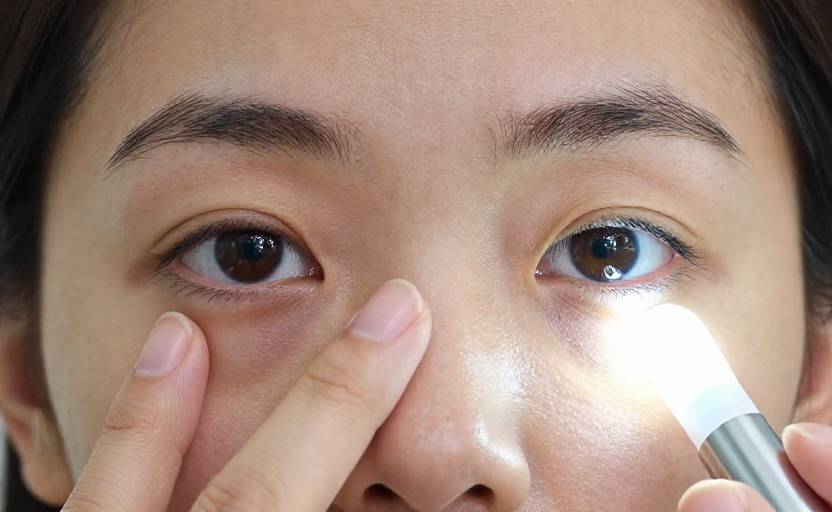
Under-eye dark circles are one of the most common cosmetic concerns, but they are not all the same. For many people, a good night's sleep or a cold compress brings relief. But what about those dark circles that just won't budge? When your under-eye area starts sending signals that go beyond tiredness, it might be time to stop searching for the perfect concealer and start looking for a dermatologist. Here are five warning signs that your dark circles require a medical professional's attention.
1. One Eye Looks Different from the Other
Symmetry matters in skin health. If you notice that the dark circle under one eye is suddenly darker, more swollen, or shaped differently than the other, this asymmetry could point to something more than simple fatigue. A dermatologist can check for conditions like localized swelling, allergic shiners (where one eye reacts more to an allergen), or even early signs of a vascular issue. Don't assume it is just a bad angle or a trick of the light—if your eyes look mismatched for more than two weeks, get them looked at.
2. The Darkening Is Accompanied by Swelling or Puffiness
Occasional puffiness after a salty meal or a late night is normal. However, when persistent swelling or edema in the under-eye area goes hand-in-hand with dark discoloration, inflammation may be involved. This combination often signals something like a blocked lymphatic system, thyroid dysfunction, or an allergic reaction that is not responding to over-the-counter antihistamines. A dermatologist can help determine whether the puffiness is caused by fluid retention, fat herniation, or a systemic condition that needs further testing.
3. The Skin Feels Thickened or Develops a Texture Change
Healthy under-eye skin is thin and smooth. If you feel a rough, thickened, or leathery patch beneath your eyes, or if the skin develops tiny bumps that do not resemble typical milia, a dermatologist should examine it. These changes can sometimes indicate a skin condition like eczema, lichenification (thickening from repeated rubbing), or even a benign growth known as a syringoma. Do not try to exfoliate or treat this texture change at home; a professional diagnosis is essential before any treatment.
4. The Color Is More Blue or Purple Than Brown
Not all dark circles are created equal. Shade matters. Brownish or grayish circles often relate to pigmentation, genetics, or sun exposure. But a bluish or purplish hue underneath the eyes usually points to visible blood vessels. If you see a bluish color that is present every day—even after you sleep well—it could be a sign of thinning skin or poor circulation. While this is not typically dangerous, it is a cosmetic issue that a dermatologist can treat with in-office procedures (like topical retinoids or vascular lasers) that over-the-counter creams cannot match.
5. You Have Other Symptoms Like Itching, Pain, or Crusting
Dark circles accompanied by physical discomfort should always be evaluated. Itching, flaking, crusting, or a burning sensation around the eyes suggests a dermatological condition such as atopic dermatitis, contact dermatitis from makeup or skincare, or even an infection of the eyelid (blepharitis). Treating the dark circles without addressing the underlying inflammation will not work. A dermatologist can prescribe a gentle anti-inflammatory regimen and identify the trigger.
What You Can Do Before Seeing a Doctor
While you wait for an appointment, avoid aggressive rubbing of the eyes, switch to a gentle, fragrance-free moisturizer, and always wear sunscreen around the eye area. Document any changes with photos so your dermatologist can see the progression. But remember: if your dark circles fit any of the five signs above, self-care will only go so far—it is time to let a professional take the lead.