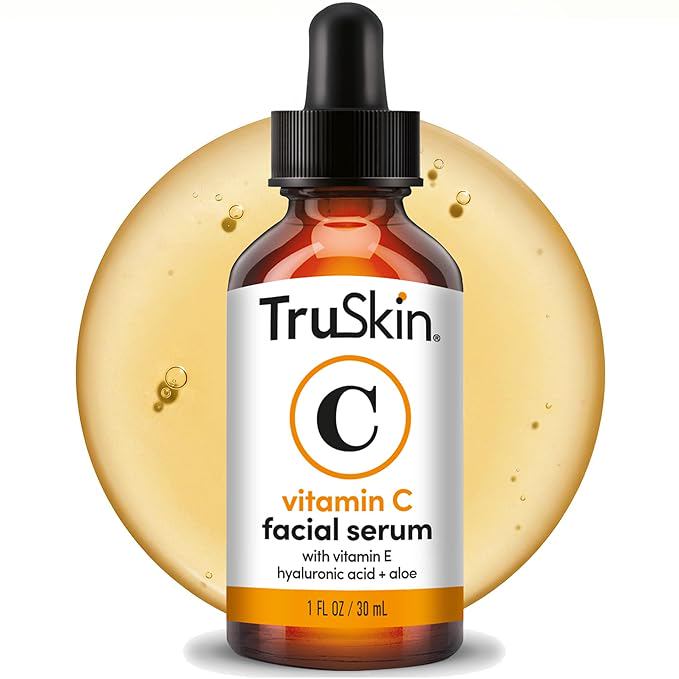
You've been diligent with your vitamin C serum, you never skip SPF, and you've swapped harsh scrubs for gentler exfoliants. Yet, despite your best efforts, those dark patches and spots don't seem to be budging — in fact, they might look more pronounced than they did a month ago. It's frustrating, and it can also be confusing. Is this a normal part of the fading process, or is something going wrong?
Understanding the difference between a spot that is healing and one that is actively worsening is key to protecting your skin. Hyperpigmentation — whether from sun damage, post-inflammatory marks, or hormonal shifts — should gradually lighten with the right care. If it's not, your skin is sending you a signal. Here are five clear warning signs that your hyperpigmentation is getting worse, not better, and what those signs mean for your next steps.
1. The Spots Are Darker Than Before
The most direct sign of trouble is a visible deepening of color. If a patch that was once light brown has turned a darker shade of brown, gray, or even blue-gray, it suggests ongoing melanin production is being triggered. This can happen for several reasons:
- Ongoing sun exposure without adequate protection: Even incidental UV exposure through windows or cloudy days can stimulate melanocytes. If you are using a chemical exfoliant but skipping reapplication of sunscreen, you may actually be making the skin more vulnerable to UV damage.
- Using an irritating ingredient: Harsh acids or retinoids used too frequently can cause low-grade inflammation. For darker skin tones (Fitzpatrick IV–VI), this inflammation paradoxically triggers more pigment — a condition known as post-inflammatory hyperpigmentation (PIH).
- Hormonal fluctuations: Melasma, a common form of hyperpigmentation, is notoriously reactive to estrogen and progesterone shifts. If you notice patches darkening around your menstrual cycle, during pregnancy, or after starting a new birth control, hormones may be the culprit.
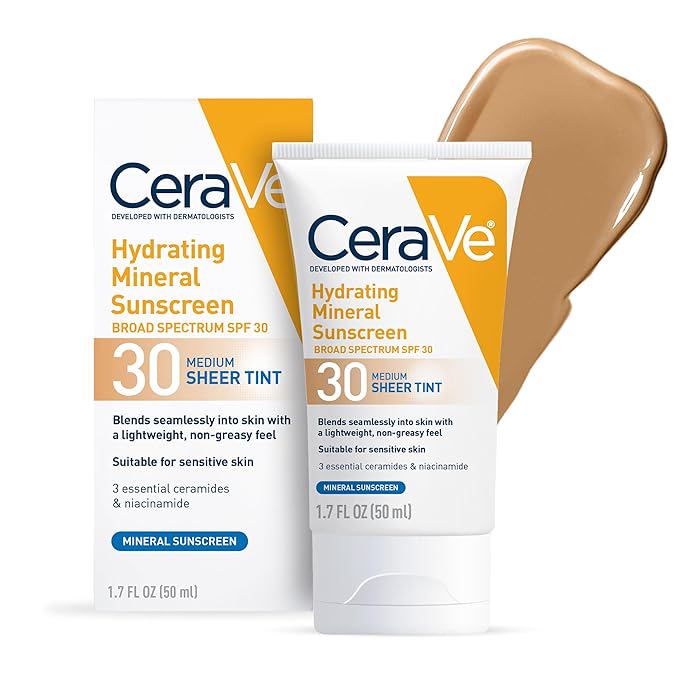
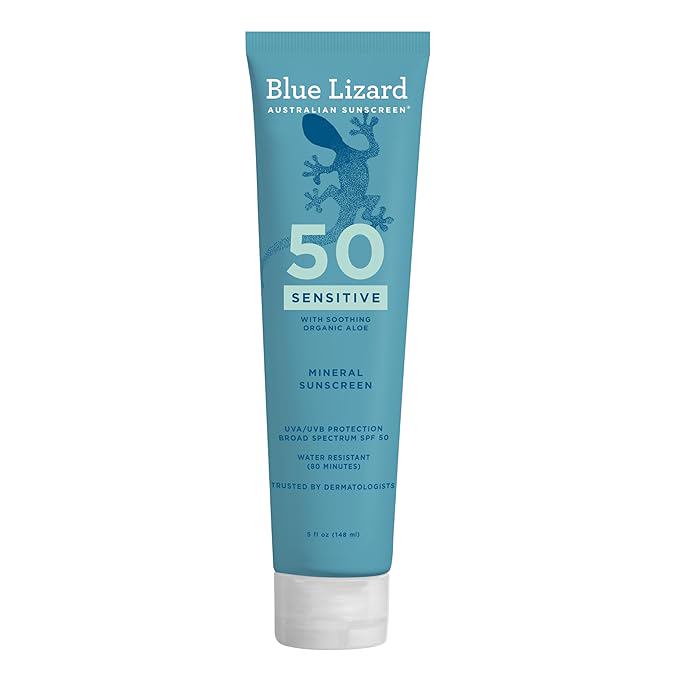
If you see darkening, stop any new active ingredients and assess your sun protection regimen. A physical (mineral) sunscreen containing zinc oxide or titanium dioxide is often recommended for pigmentation-prone skin, as it provides a physical barrier against both UVA and UVB rays.
2. The Edges Are Becoming Sharper or Irregular
When hyperpigmentation fades naturally, the edges of a spot usually soften and blur into the surrounding skin tone. If you notice the borders of a dark patch becoming sharper, more defined, or irregular in shape, it's a red flag. This can indicate that the pigment is deepening at the base layer of your skin (the dermis) rather than just sitting in the surface layer (the epidermis). Dermal hyperpigmentation is notoriously harder to treat with topical creams alone.
Additionally, any spot — pigmented or not — that develops an irregular or jagged border, or changes in symmetry, should be checked by a board-certified dermatologist to rule out skin cancer. This is especially important for spots that are raised, bleeding, or itching.
3. The Treated Area Feels Inflamed
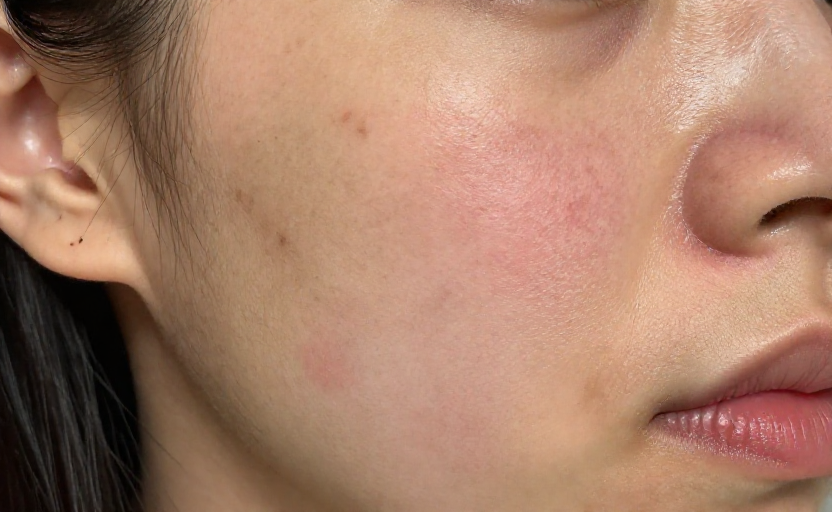
Hyperpigmentation is often the aftermath of inflammation — a healed pimple, a sunburn, or a minor cut. If the same area becomes red, warm, tender, or bumpy again, it signals active inflammation. In skin of color, inflammation is a direct trigger for melanin production. This creates a vicious cycle: inflammation begets more pigment, which darkens the spot, which may lead you to treat it more aggressively, causing more inflammation.
Active signs of inflammation include:
- Redness or a pinkish halo around the dark spot.
- Slight swelling or a raised texture (papule).
- A burning or stinging sensation after applying product.
If you see these signs, pause all exfoliating acids (glycolic, salicylic, lactic), retinoids, and vitamin C. Switch to a barrier-repair routine with a gentle cleanser, a moisturizer containing ceramides or niacinamide, and a simple mineral sunscreen. Let the inflammation calm for one to two weeks before reintroducing any active treatment.
4. New Spots Are Appearing Alongside Old Ones
Fading hyperpigmentation is a slow process, often taking weeks or months. But if you notice new dark spots cropping up near the original ones — or in entirely different areas — while you're treating the old ones, it means the root cause is still active. For example:
- If you have acne-prone skin: New breakouts will leave new marks. Treating the pigmentation without controlling the acne itself is like painting over a leaky wall. Ingredients like salicylic acid or benzoyl peroxide (for acne) should be paired with pigment-fighting ingredients like azelaic acid or tranexamic acid.
- If you have melasma: Melasma can spread gradually across the cheeks, forehead, and upper lip. If you see the patches expanding in size or merging into larger areas, this indicates the condition is active and may require prescription treatments like hydroquinone (under a doctor's supervision) or procedures such as chemical peels or laser therapy.
Keeping a simple progress log — take a photo in the same lighting once a week — can help you objectively track whether spots are multiplying. If they are, it's time to revisit your diagnosis and treatment plan with a dermatologist.
5. Your Skincare Routine Is Causing a Reaction
Sometimes the very products meant to brighten skin can make hyperpigmentation worse. This is especially common with high concentrations of active ingredients used without proper skin preparation. Signs that your routine is backfiring include:
- Stinging or burning on application: This is not normal and should not be interpreted as the product “working.” It is a sign of barrier disruption.
- Dry, flaky, or tight-feeling skin: Over-exfoliation compromises the skin barrier, making it more reactive to UV light and more prone to post-inflammatory darkening.
- A sudden breakout of small, flesh-colored bumps: This may be a reaction to an occlusive ingredient in a cream or oil, trapping heat and stimulating pigment.
If your skin feels angry or sensitive, the smartest move is to strip your routine back to the basics: cleanse, moisturize, and protect (SPF). Let your barrier recover for at least two weeks before gradually reintroducing any targeted pigment treatments — ideally one at a time, two to three times per week.
Note: This article is for educational purposes only and does not replace the advice of a medical professional. If you are concerned about any change in the size, shape, or color of a spot, or if you experience persistent inflammation, please consult a board-certified dermatologist.