Your skin is remarkably resilient, but it also has its limits. When the outermost layer—often called the skin barrier—becomes compromised, your complexion sends clear signals that it needs a softer approach. Recognizing these signs early can help you adjust your routine before irritation turns into something more stubborn.
Here are five common symptoms that your skin barrier is crying out for gentler care, along with practical ways to respond.
1. Persistent Redness and Inflammation
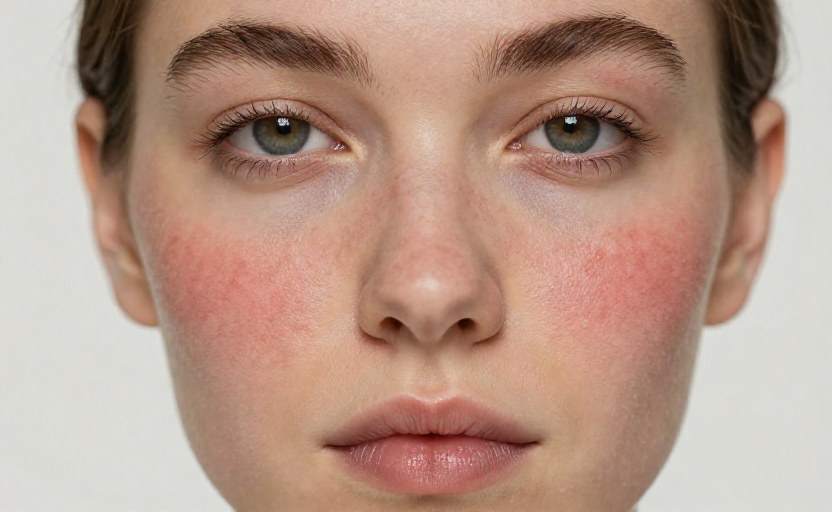
If your face looks flushed more often than not, especially after cleansing or applying products, that redness is a warning light. A healthy barrier keeps irritants out and moisture in. When it weakens, blood vessels dilate, leading to visible redness that may feel warm or tender to the touch.
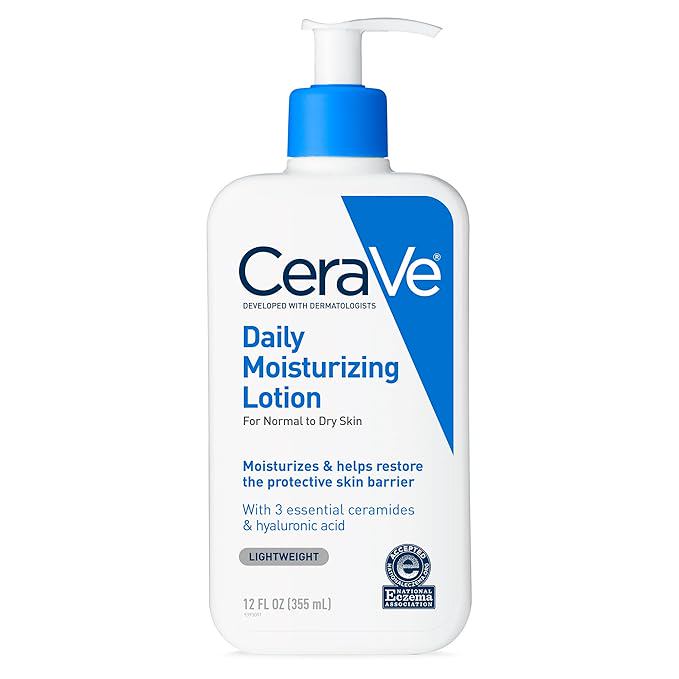
What to do: Pause any active ingredients (think retinol, AHAs, BHAs, and vitamin C). Switch to a milky, non-foaming cleanser and a fragrance-free moisturizer with ceramides or niacinamide. Stick with this simple routine until the redness calms down.
2. Dry, Flaky, or Tight Skin
Does your skin feel like a drum—tight and uncomfortable—even after you’ve applied moisturizer? Do you notice rough patches or visible flaking? That’s your barrier struggling to hold onto water. When the lipids between skin cells are depleted, transepidermal water loss goes up, leaving skin parched from the inside out.
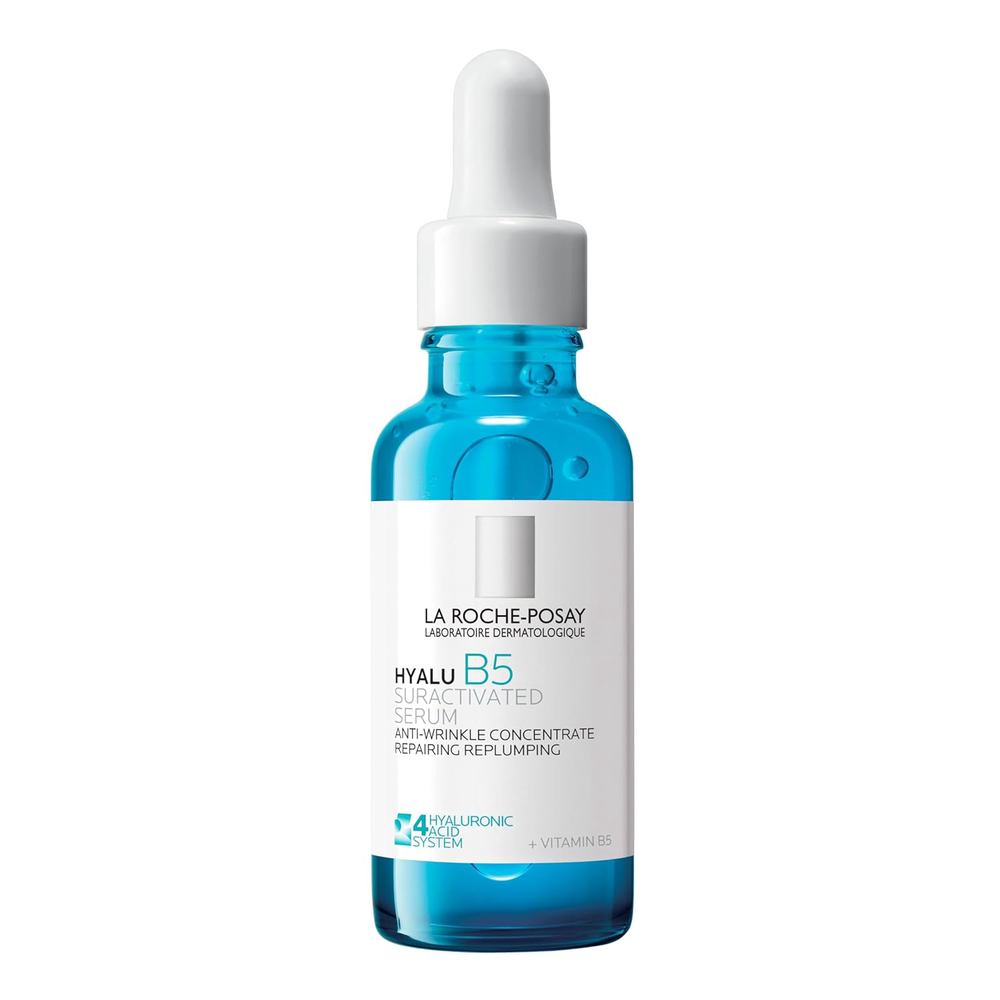
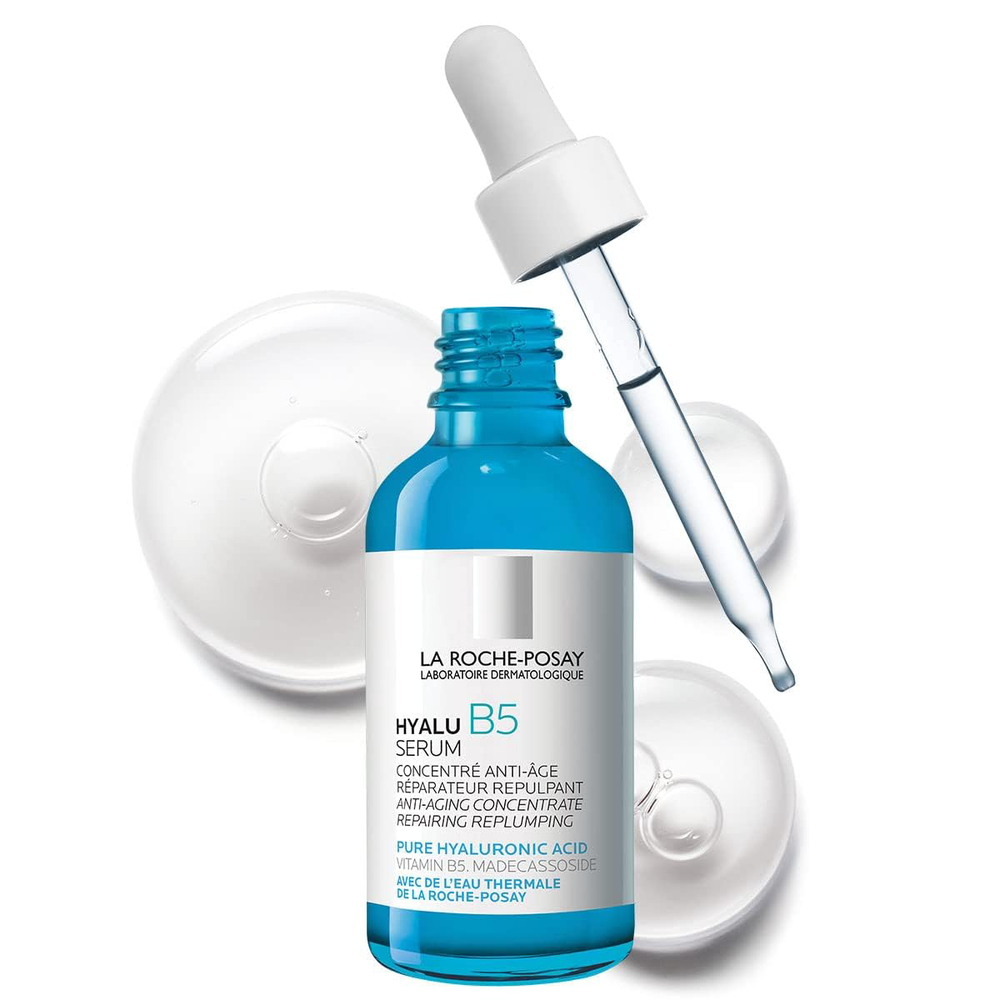
What to do: Incorporate a hydrating serum with hyaluronic acid or glycerin applied to damp skin, then seal everything with an occlusive balm or a rich cream. Avoid long, hot showers and consider adding a humidifier to your bedroom.
3. Stinging or Burning on Application
Products that used to feel perfectly fine suddenly sting, burn, or itch. This is a classic sign of a compromised barrier. With the protective layer damaged, ingredients can penetrate too deeply too quickly, irritating nerve endings and triggering a stinging sensation.
“Even water can sting when your barrier is damaged,” explains Dr. Sachin Dhawan, senior consultant in dermatology. “At this stage, the priority is total barrier repair, not anti-aging or exfoliation.”
What to do: Strip your routine down to the absolute basics: a gentle cleanser, a simple moisturizer, and a barrier-repair product (look for shea butter, squalane, or panthenol). No more actives until the sting goes away, which can take one to three weeks.
4. Breakouts That Won’t Quit
Acne and a damaged barrier often go hand in hand. When you over-strip the skin with harsh cleansers or exfoliants, it can overcompensate by producing more oil. At the same time, tiny cracks in the barrier allow bacteria to enter more easily, leading to inflamed, persistent breakouts that don’t respond to your usual treatments.
What to do: Stop using spot treatments that contain benzoyl peroxide or salicylic acid on large areas. Instead, use a gentle sulfur mask once a week and cleanse with a low-pH, sulfate-free formula. Let your calming moisturizer do the heavy lifting for a while.
5. General Sensitivity and Reactions
Have you become reactive to things that never bothered you before—like a wind gust, a new pillowcase, or your everyday sunscreen? Heightened sensitivity is one of the most telling signs of a weakened barrier. Your skin no longer has its full shield, so the immune cells in the skin become hyper-responsive to things in the environment.
What to do: Keep a simple product diary to identify triggers. During this recovery phase, apply moisturizer while skin is still damp to lock in maximum hydration. Mineral sunscreens (zinc oxide or titanium dioxide) tend to be better tolerated than chemical filters when the barrier is fragile.
When To See a Dermatologist
If your symptoms last longer than three weeks despite simplifying your routine—or if you notice oozing, swelling, or intense pain—it’s time to check in with a board-certified dermatologist. Conditions like rosacea, eczema, or contact dermatitis can mimic barrier damage and may need prescription care.
In the meantime, remember that repairing your skin barrier is a slow process that rewards patience and consistency. Choose gentle over aggressive, hydrating over stripping, and protective over reactive. Your skin will thank you with a calm, resilient glow.