
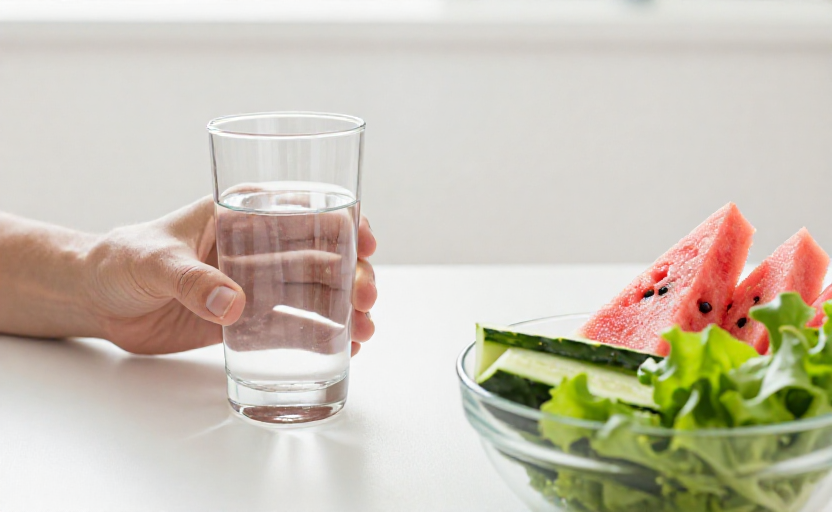
When work piles up, hydration often slides down the priority list. You might grab another coffee, skip the water break, or reach for salty snacks that leave you even thirstier. Stress itself also alters how your body regulates fluids, creating a cycle that leaves you fatigued, foggy-headed, and tense. Instead of overhauling your entire routine, try these five simple diet adjustments. They work with your body's natural chemistry to improve hydration and dial down work-related stress.
Why Stress and Hydration Are Linked
Your body under stress releases cortisol, a hormone that can increase urine output and shift fluid balance. Even mild dehydration raises cortisol further, making it harder to concentrate and stay calm. Add to that the caffeine and sugar many people lean on during a busy day, and you have a recipe for brittle nerves and low energy. The good news: small, strategic food choices can steady your fluid levels and buffer the physical effects of a high-pressure day.
1. Start Your Morning with a Glass of Water and a Pinch of Sea Salt
Before you reach for coffee, drink 8 to 12 ounces of water with a tiny pinch of high-quality sea salt. The salt provides sodium, potassium, and trace minerals that help your cells actually absorb and retain water. This simple move rehydrates you after sleep and primes your nervous system for the day ahead. Pair it with a small handful of almonds or a hard-boiled egg to avoid a blood-sugar spike later.
2. Swap One Coffee for Coconut Water or a Herbal Infusion
You do not have to give up caffeine entirely. But if you drink more than two cups of coffee during a stressful morning, consider replacing one with coconut water or a cold-brewed herbal tea like hibiscus or rooibos. Coconut water offers natural electrolytes—especially potassium—that support fluid balance without the diuretic effect of caffeine. Herbal infusions provide hydration along with calming plant compounds. The switch reduces your total caffeine load while still giving you a warm or refreshing beverage.
3. Add Water-Rich Produce to Lunch and Snacks
You can significantly increase your fluid intake through food, and water-rich fruits and vegetables also deliver vitamins and fiber that help steady blood sugar—a major factor in stress resilience. Build your lunch around one or more of these:
- Cucumber (96% water) — slice into salads or eat with hummus
- Celery (95% water) — pair with almond butter for protein and crunch
- Zucchini — spiralize into noodles or steam lightly
- Watermelon or cantaloupe — hydrating, sweet, and full of antioxidants
- Strawberries or oranges — easy to toss in a bag for a midday snack
Aiming for a cup or two of these foods per day can boost your water intake by the equivalent of a full glass of water, without any extra effort.
4. Choose Stress-Supportive Minerals at Meals
Magnesium and potassium are two minerals that help regulate both hydration and the body's stress response. Low magnesium is associated with higher anxiety and poorer sleep. Potassium helps balance sodium levels and supports steady blood pressure during tense moments. Incorporate these foods throughout your day:
- Leafy greens (spinach, Swiss chard, kale) — sauté or add to smoothies
- Avocado — rich in potassium and healthy fats that support brain function
- Pumpkin seeds or almonds — snack on a small handful at your desk
- Black beans or lentils — add to soups, salads, or grain bowls
Even one magnesium-rich snack in the afternoon can help reduce the physical jitters that come from a stressful meeting or deadline.
5. Time Your Caffeine and Alcohol Intake Intentionally
Both caffeine and alcohol act as mild diuretics and can interfere with deep sleep. When you are already stressed, poor sleep worsens hydration and mood. Try these timing guidelines:
- Stop caffeine by 2:00 PM at the latest. If you are sensitive, limit yourself to one cup before noon.
- If you drink alcohol, pair each serving with an equal amount of water. Better yet, switch to sparkling water with a splash of fruit juice for a low-stakes evening option.
- Avoid drinking any caffeinated or alcoholic beverage within three hours of bedtime.
A simple rule of thumb: for every caffeinated or alcoholic drink, drink one full glass of water before your next beverage.
Putting It Together in a Typical Day
You do not need to follow every adjustment at once. Start with one or two that feel manageable. Over a week, these small shifts can become habits that support steadier energy and a calmer response to daily pressures. Pay attention to how your body feels—less headache, clearer focus, fewer mid-afternoon slumps are good signs your hydration and stress levels are improving.