You know that frustrating moment when a pimple finally fades, but a dark or reddish spot lingers for weeks—or months? Those stubborn post-inflammatory marks (also known as post-inflammatory hyperpigmentation or PIH) are often a sign that something deeper is going on with your skin. The culprit is frequently a damaged skin barrier. When the outermost layer of your skin is compromised, it struggles to heal evenly, leading to prolonged discoloration after breakouts, minor injuries, or irritation.
Here are five clear signs that your skin barrier might be damaged and contributing to those persistent marks—plus what you can do about it.
1. Your skin feels tight, itchy, or stingy after cleansing
A healthy skin barrier locks in moisture and keeps irritants out. When it’s compromised, your skin loses water quickly. If your face feels uncomfortably tight, itchy, or even slightly burns after washing, that’s a red flag. This sensation means the barrier’s lipid layer is depleted, leaving nerve endings exposed. Over time, this lack of protection slows down the skin’s natural repair process, making post-inflammatory marks take longer to fade.
2. Breakouts keep appearing in the same spots
If you notice acne recurring in the exact same areas, it’s not just bad luck. A damaged skin barrier can disrupt the microbiome and increase inflammation. When inflammation is chronic, the melanocytes (pigment-producing cells) become hyperactive, leading to darker and longer-lasting marks. This creates a cycle: the barrier is weak, acne forms, you treat it, the mark stays, and the next breakout hits the same spot.
A quick check: If your skin looks red, blotchy, or feels hot to the touch, that inflammation is likely slowing down pigment clearing.
3. Your skin stings when you apply your usual products
Once-gentle moisturizers or sunscreens suddenly sting or cause redness. This is a classic sign of a disrupted barrier. When the protective layer is thin or damaged, ingredients that are normally harmless (like certain preservatives, essential oils, or even hyaluronic acid in high concentrations) can penetrate too deeply and cause irritation. This irritation not only triggers more pigment production but also delays the fading of existing dark spots.
4. You have a rough, uneven texture
Your skin may look dull, feel rough, or have tiny bumps that aren’t quite pimples. A compromised barrier often has an irregular surface because the skin cells aren’t shedding properly. This rough texture can trap melanin in the upper layers, making post-inflammatory marks appear more obvious and stubborn. Think of it like a scratched mirror: even a small mark stands out more on a damaged surface.
5. Your dark spots are getting darker, not lighter
This is the most direct sign. If you’re doing everything “right”—using brightening ingredients, avoiding sun, waiting patiently—but your post-inflammatory marks are still dark or even spreading, your barrier may be the reason. Without a strong barrier, your skin’s natural renewal cycle slows down. Pigment that should be shed naturally stays put. Additionally, a weakened barrier is more vulnerable to UV damage, which darkens hyperpigmentation even further.
What can you do? Gentle barrier repair first
If these signs resonate, stop treating the marks aggressively. Harsh exfoliants, strong acids, or heavy bleaching agents will only worsen barrier damage. Instead, focus on the basics:
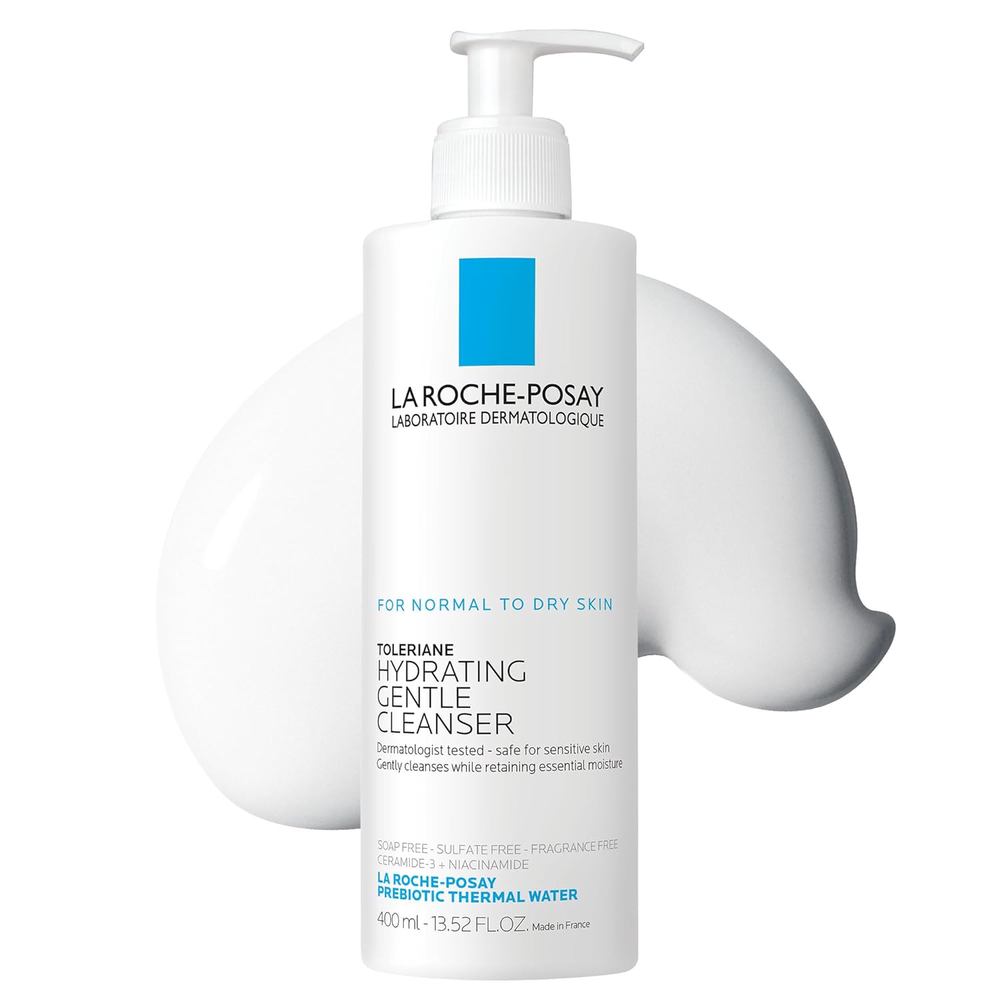
- Switch to a gentle, non-foaming cleanser that doesn’t strip your skin’s natural oils.
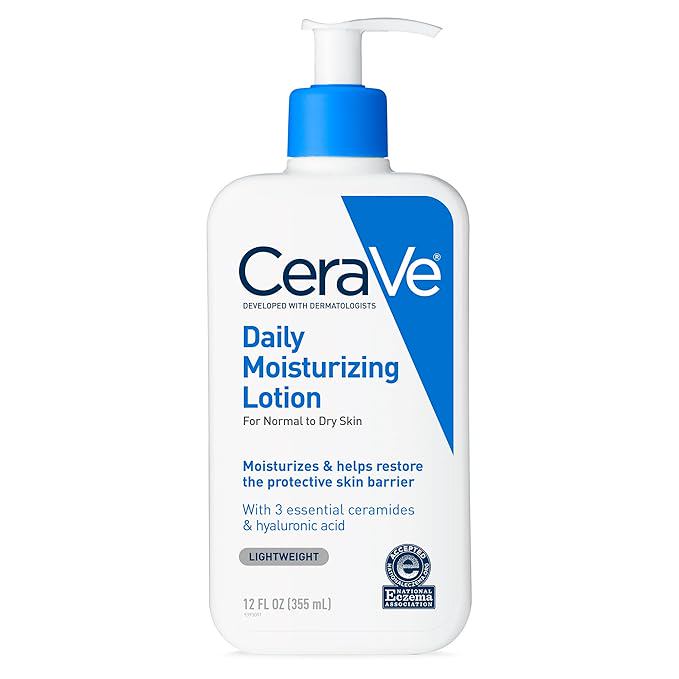
- Use a moisturizer with ceramides, niacinamide, or squalane to help rebuild the barrier. Niacinamide in particular can support more even pigment distribution.
- Apply a broad-spectrum SPF 30+ sunscreen every single day. UV exposure is the number one reason post-inflammatory marks darken and persist.
- Avoid using multiple active ingredients at once. Give your skin a 2–4 week break from retinoids, acids, and strong vitamin C serums if you suspect barrier damage.
Once your skin feels calm—no stinging, less tightness, an even texture—you can slowly reintroduce targeted treatments for pigmentation, like azelaic acid or tranexamic acid. But always listen to your skin: if irritation returns, go back to barrier repair for another week or two.
Healing post-inflammatory marks is a marathon, not a sprint. And the best pace is one that respects your skin’s protective shield first.