
Combination skin can feel like a balancing act. You might be dealing with an oily T-zone while your cheeks feel tight or dry, and finding the right exfoliation rhythm often takes some trial and error. If you’ve been scrubbing or using acids daily because you think more is better, your skin may be trying to tell you to ease up. Here are five clear signs that your combination skin needs a gentler exfoliation schedule.
1. Your skin feels tight, shiny, or stingy after washing
If your face feels uncomfortably tight right after cleansing—or if your forehead and nose look slick within an hour—you might be stripping your skin barrier. Over-exfoliation can damage the protective layer, causing some areas to lose moisture while others overcompensate with oil. A gentler routine means your skin should feel comfortable, not reactive.
2. You’re breaking out in new places
It seems counterintuitive, but exfoliating too much can actually trigger breakouts. When you disrupt the skin barrier, inflammation rises, and bacteria can sneak in more easily. If you notice small, irritated bumps on your cheeks or jawline (areas that weren’t prone to acne before), it’s a sign to cut back on exfoliation and focus on soothing ingredients.
3. Your makeup looks patchy or flaky
Foundation or concealer that separates, clings to dry patches, or looks cakey despite proper prep is often a sign of uneven texture from over-exfoliation. Combination skin already has varying levels of oil and dryness; too much exfoliation can make dry spots drier and oily zones shinier. A gentler schedule helps your skin hold onto hydration where it needs it most.
4. Your skin is red, sensitive, or stinging
When you apply your usual moisturizer or sunscreen and it stings, that’s a red flag. Redness, sensitivity, or a warm feeling—especially on the cheeks or around the nose—means your skin barrier is compromised. Scaling back to a once-a-week gentle exfoliation (or switching to a milder formula) can give your skin time to repair.
5. You see more fine lines, not fewer
Exfoliation is meant to smooth skin, but overdoing it can actually make fine lines more noticeable. When the barrier is damaged, moisture escapes faster, and dehydrated skin looks crepey or lined. If you’re seeing new wrinkles where you didn’t before, especially around the eyes or mouth, your exfoliation frequency may be working against you.
A quick check: If any of these signs sound familiar, try a two-week “exfoliation reset.” Stop all exfoliating products (scrubs, acids, retinoids) and use only a gentle cleanser, moisturizer, and sunscreen. Then reintroduce exfoliation once a week and assess how your skin responds.
How to build a gentler routine for combination skin
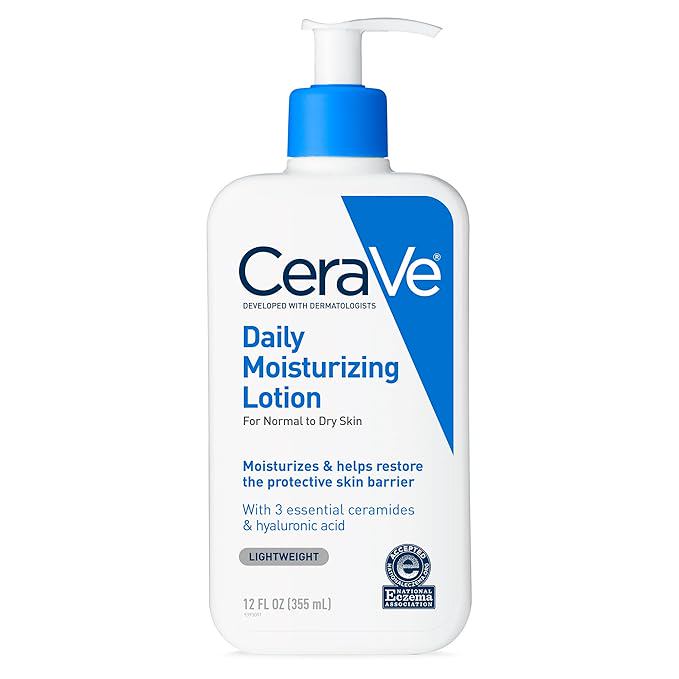
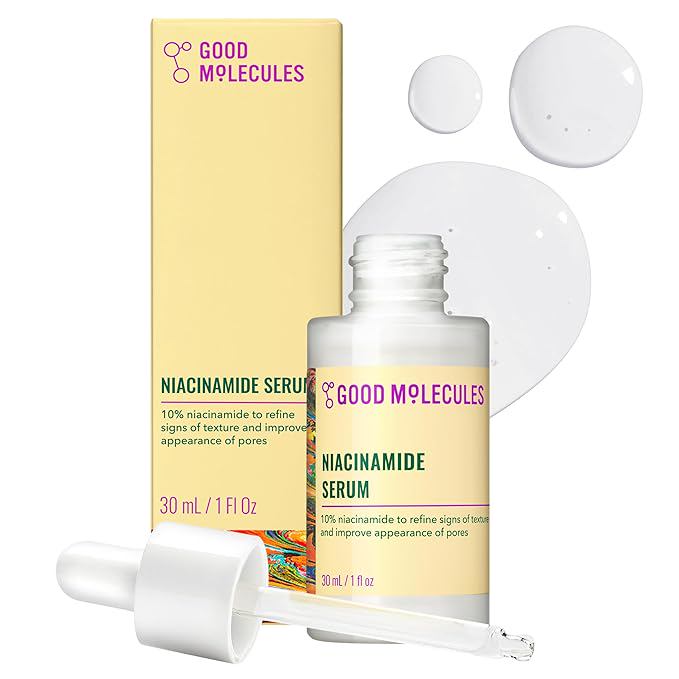
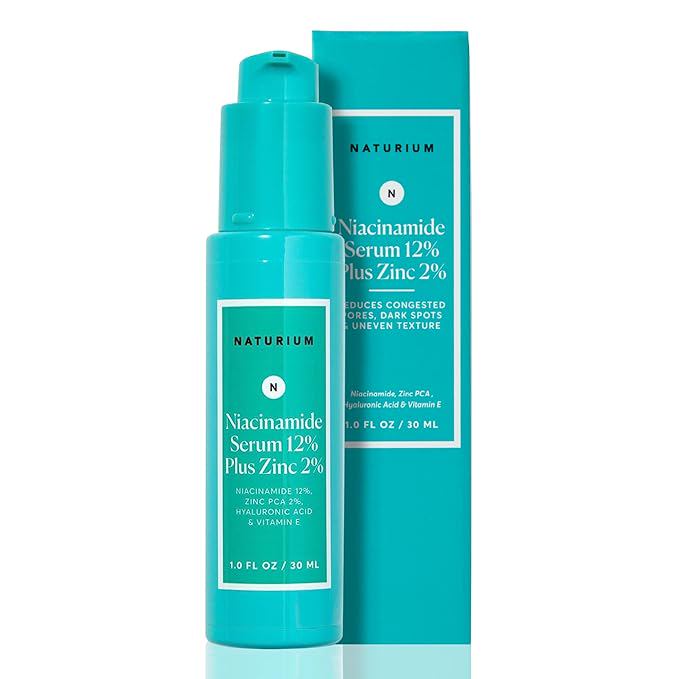
Start by choosing one exfoliation method—either a mild chemical exfoliant like lactic acid or a very gentle physical scrub with fine, round particles. Use it once a week at first. On other days, focus on hydration: a niacinamide serum can help balance oil production without stripping, and a ceramide-rich moisturizer supports the barrier. Always patch-test new products and pay attention to how different areas of your face react.
Combination skin doesn’t have to be complicated. By listening to the signs above, you can find an exfoliation rhythm that leaves your whole face comfortable—not just parts of it.