When your scalp feels tight, itchy, or tender, it often shows up in your hairbrush—more shedding, more flakes, and a general sense that something is off. While topical treatments play a role, what you eat can either fuel that inflammation or help calm it. Below are five foods that target scalp irritation from the inside out, chosen for their anti-inflammatory, nutrient-dense profiles. They aren't miracle cures, but they can support a healthier scalp environment when eaten consistently as part of a balanced diet.
Why diet matters for your scalp
The scalp is skin, and like the rest of your skin, it responds to systemic inflammation. When your body is dealing with oxidative stress or low-grade inflammation, the scalp can become reactive—red, flaky, or sensitive. This environment can weaken hair follicles and increase shedding. Nutrients that reduce inflammation, support circulation, and provide the building blocks for healthy skin cells can help bring the scalp back to a calmer state.
A quick note: If you have persistent scalp issues or sudden hair loss, see a dermatologist. Food can support healing, but it shouldn't replace medical advice for underlying conditions.
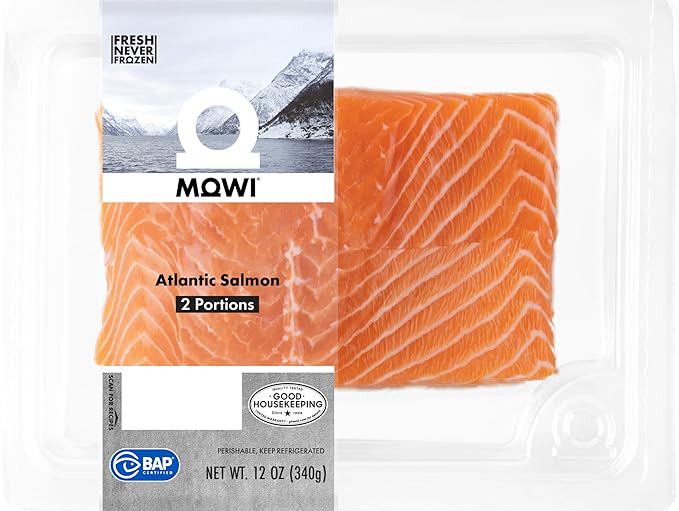
1. Fatty fish (salmon, mackerel, sardines)
Fatty fish is rich in omega-3 fatty acids, particularly EPA and DHA. These fats are known to reduce inflammatory compounds in the body. For the scalp, that means less redness and irritation. Omega-3s also help regulate sebum production, which can keep the scalp hydrated without becoming greasy.
Try to include two servings of fatty fish per week. If you don't eat fish, flaxseeds, chia seeds, or an algae-based omega-3 supplement are alternatives—though the conversion to EPA/DHA is less efficient.
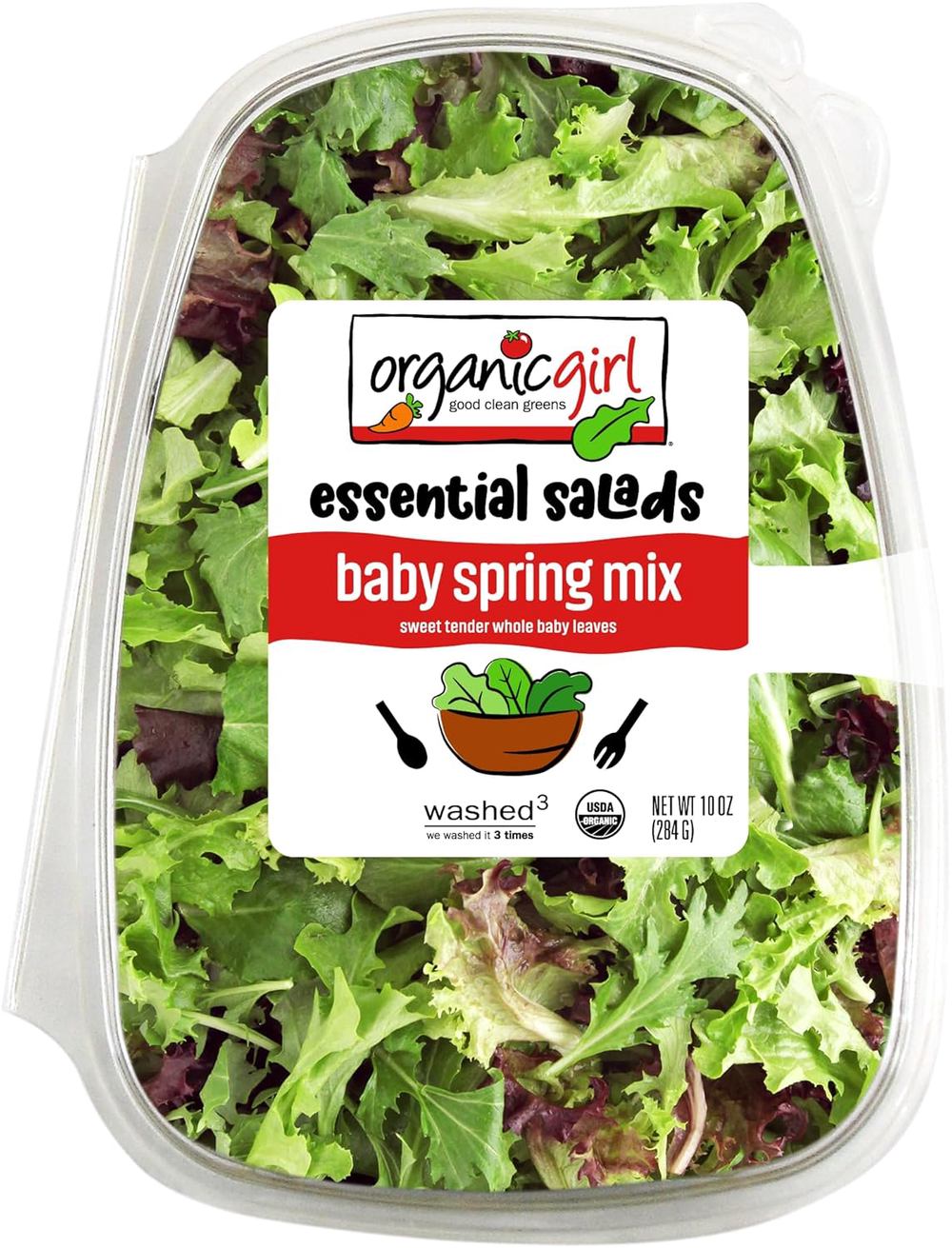
2. Leafy greens (spinach, kale, Swiss chard)
Leafy greens are packed with iron, vitamin C, and magnesium—all of which play a role in scalp health. Iron helps deliver oxygen to hair follicles via red blood cells. Vitamin C boosts collagen production (important for the skin barrier of your scalp) and enhances iron absorption. Magnesium can help calm the nervous system, which may reduce stress-related scalp tension.
Aim for a generous handful of cooked or raw greens daily. If you struggle with raw greens, toss them into a smoothie or sauté them gently with garlic and olive oil.
3. Berries (blueberries, strawberries, blackberries)
Berries are high in antioxidants, especially vitamin C and various polyphenols. Antioxidants protect scalp cells from oxidative damage caused by UV exposure, pollution, and normal metabolic processes. When the scalp's skin barrier is strong, it's less prone to irritation and shedding.
Fresh or frozen both work. Add a half-cup to oatmeal, yogurt, or a salad for a simple antioxidant boost.
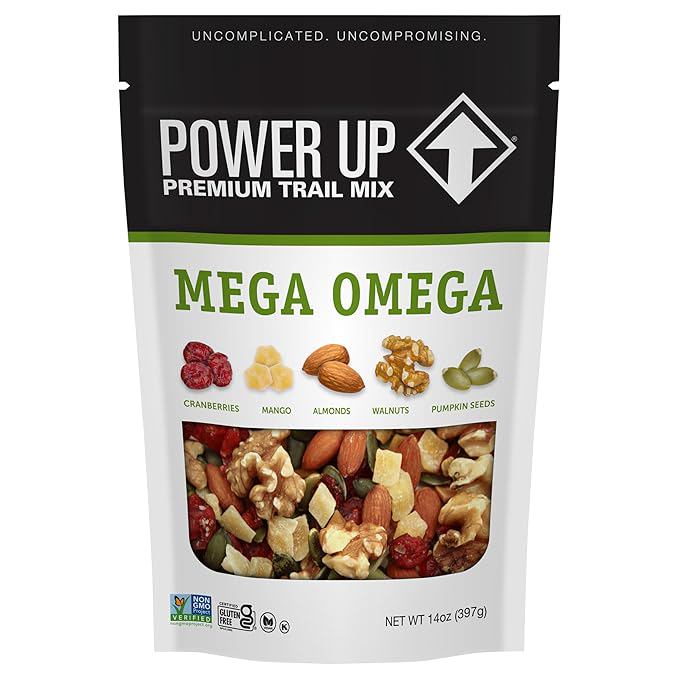
4. Nuts and seeds (walnuts, almonds, sunflower seeds)
Nuts and seeds provide vitamin E, zinc, and selenium. Vitamin E is a fat-soluble antioxidant that helps protect the scalp's lipid barrier. Zinc supports cell turnover and wound healing, which can be helpful for a flaky or irritated scalp. Selenium plays a role in thyroid function, and thyroid imbalances are a common but overlooked cause of hair shedding.
A small handful (about 1 ounce) per day is plenty. Walnuts are particularly high in omega-3s (ALA), and sunflower seeds are an easy way to get vitamin E and selenium.
5. Avocado
Avocado is rich in healthy monounsaturated fats and vitamin E. The fats help maintain the scalp's natural moisture balance, while vitamin E reduces oxidative stress on hair follicles. Some research suggests that vitamin E can also support follicle growth phases.
Add half an avocado to a salad, mash it on whole-grain toast, or blend it into a smoothie for creaminess.
Putting it together: Sample daily pattern
- Breakfast: Smoothie with spinach, frozen berries, and a tablespoon of ground flaxseed
- Lunch: Salad with mixed greens, grilled salmon, and a handful of walnuts
- Snack: Half an avocado with lemon and salt, or a small handful of almonds
- Dinner: Stir-fry with leafy greens and a side of sardines or mackerel
This isn't a strict plan—just an idea of how to include these foods without overcomplicating your day. Consistency matters more than perfection.
What to keep in mind
Foods that soothe the scalp are part of a bigger picture. Adequate hydration, gentle hair care, stress management, and sleep all influence scalp health. If shedding or irritation seems severe, or if you notice patches of hair loss, consult a healthcare professional to rule out autoimmune conditions, hormonal shifts, or nutrient deficiencies.