
You wake up, reach for coffee, wipe a cleanser across your face, and rush out the door. These habits feel harmless—even productive. But your collagen fibers are listening. And they are not happy.
Collagen is the structural protein that keeps skin firm, smooth, and bouncy. Your body makes it naturally, but production starts slowing in your mid-20s. The trouble is that some well-intentioned morning habits accelerate that decline without you realizing it. Here are five common mistakes—and exactly what to do instead.
1. Washing your face with hot water
There is something soothing about a warm washcloth on a sleepy face. But hot water strips the outer skin barrier of natural oils, leaving it dry and temporarily inflamed. That inflammation triggers enzymes called matrix metalloproteinases (MMPs), which break down collagen and elastin on the spot.
Stick to lukewarm water—just warm enough to remove sleep residue without shocking your skin. If you shower in the morning, turn the temperature down for the final 30-second face rinse.
2. Skipping (or rushing) sunscreen application
You might think morning sunscreen only matters if you are going to the beach. In reality, UVA rays—the ones that penetrate clouds and windows—are constant and cumulative. They generate free radicals that directly damage collagen fibers and inhibit fibroblast repair.
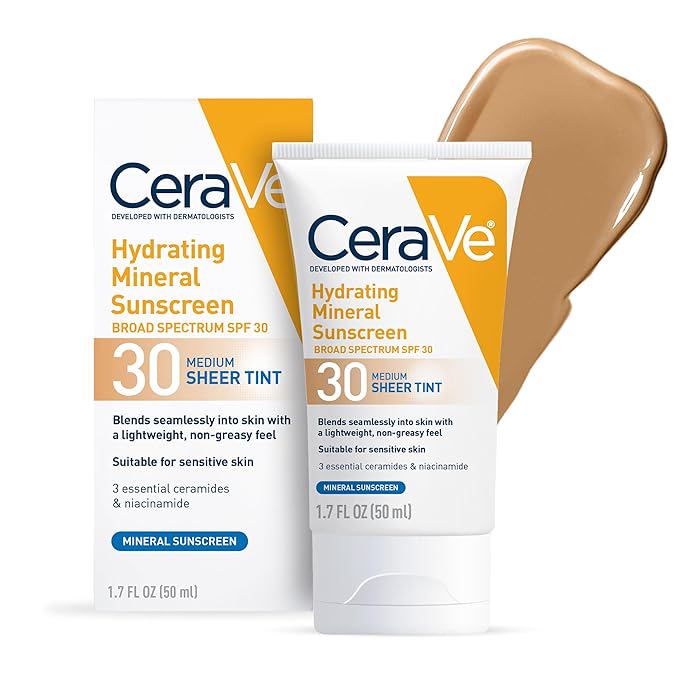
Apply a broad-spectrum sunscreen (SPF 30 or higher) as your last skincare step, every single day. Let it set for a few minutes before makeup if you wear it. Unless your morning includes prolonged sun exposure, you typically do not need to reapply until midday—but do not skip the initial layer.
3. Downing coffee before water
Coffee is a mild diuretic. When you drink it on an empty stomach, you partially offset any fluid your body absorbed overnight. Dehydrated skin looks less plump because collagen needs adequate water to form proper matrix arrangements.
Drink one full glass of water (10 to 16 ounces) first. Wait 10 to 15 minutes before your first cup of coffee. For bonus points, add a slice of lemon for a touch of vitamin C, which is a necessary cofactor for collagen synthesis.
4. High-glycemic breakfast choices
A bagel, sugary cereal, or granola bar spikes your blood sugar quickly. That spike triggers glycation, a process where sugar molecules attach themselves to collagen. The resulting structures—called advanced glycation end products (AGEs)—make collagen stiff, yellow, and fragile. Once formed, AGEs are extremely difficult to reverse.
Swap refined carbs for a protein-and-fiber-rich breakfast: eggs plus vegetables, Greek yogurt with berries and nuts, or a smoothie made with spinach, protein powder, and a small amount of fruit instead of juice.
5. Layering too many active ingredients at once
Your morning routine may include vitamin C, retinol, niacinamide, BHAs, and more. Layering multiple potent actives every day can overwhelm the skin barrier, causing low-grade inflammation that signals collagen breakdown pathways.
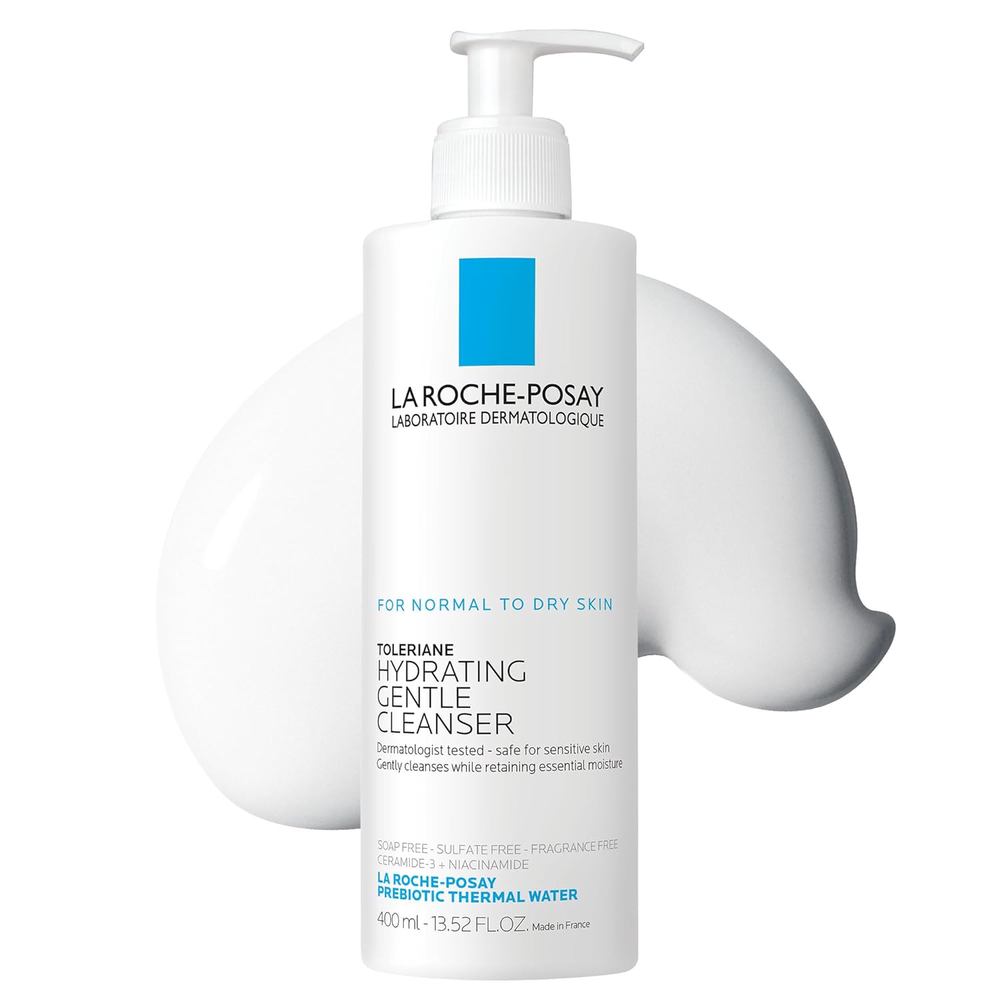
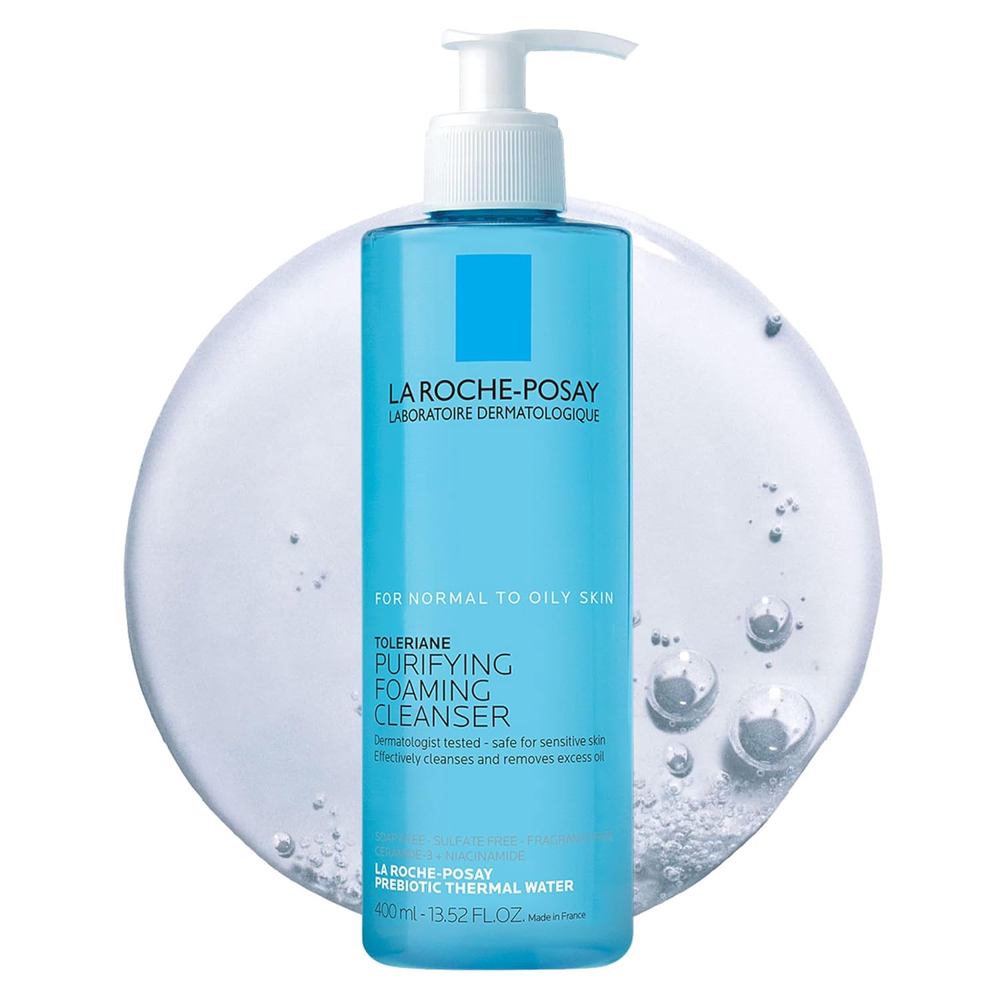
Simplify: a gentle cleanser, one active (vitamin C is a good daytime choice for collagen support), moisturizer, and sunscreen. Save exfoliants and retinoids for your evening routine. Less is more when it comes to preserving the matrix.
Collagen is built over years, not minutes. Small AM habits—cooler water, water before coffee, protein at breakfast, a single active, and everyday SPF—add up to healthier, more resilient skin.
The goal is not a complicated 12-step morning regimen. It is removing the friction that damages collagen before your day even starts. Adjust these five habits, and you give your skin a fighting chance to stay firm and smooth as the years go by.