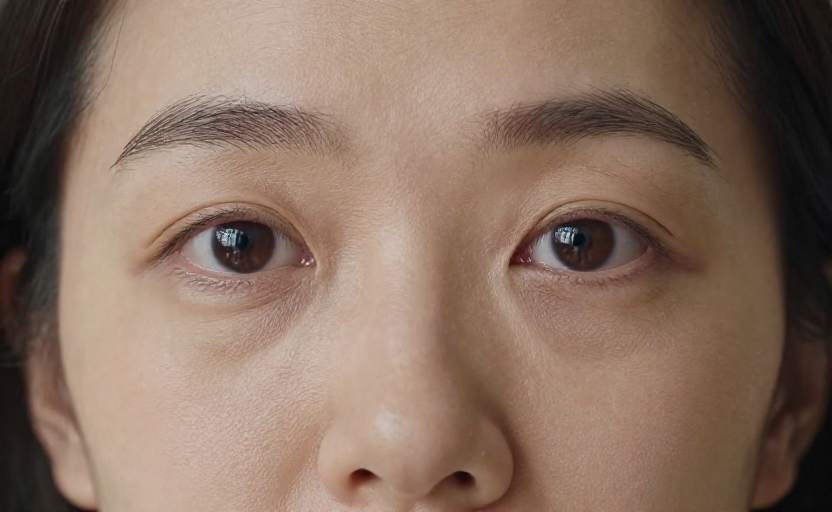
Fine lines often appear earlier than we expect, and while genetics play a role, daily habits can accelerate the process. Many people assume that aging is simply a matter of time, but the reality is that certain lifestyle choices can silently contribute to premature wrinkles. The good news is that small shifts in your routine can make a meaningful difference in how your skin ages.
Understanding what triggers early fine lines is the first step. From what you drink to how you sleep, here are five common factors that may be working against your skin—and what you can do about them.
1. Repeated facial expressions
Every time you squint, frown, or raise your eyebrows, the muscles beneath your skin contract. Over decades, these repeated movements create creases that eventually become permanent lines. Forehead furrows, crow’s feet, and lines between the brows are classic examples.
What to change: Be mindful of unconscious facial habits. Wear sunglasses outdoors to reduce squinting, and consider using a silk pillowcase to minimize creasing while you sleep. Some people also find that face yoga or gentle massage helps relax tense muscles.
2. Poor sleep quality and position
Sleep is when your body repairs itself, including your skin. When you don’t get enough deep sleep, cortisol levels rise, which can break down collagen and elastin—the proteins that keep skin firm and smooth. Additionally, sleeping on your stomach or side can press your face into the pillow, creating “sleep lines” that may become etched over time.
What to change: Aim for seven to nine hours of quality sleep each night. Sleeping on your back is ideal for preventing compression lines. If you can’t adjust your position, a silk or satin pillowcase creates less friction than cotton.
3. Unprotected sun exposure
Ultraviolet (UV) rays are one of the biggest culprits behind premature aging. They damage collagen fibers and elastin, leading to sagging, fine lines, and uneven texture. Even short, incidental exposure—like walking to your car or sitting near a window—adds up over time.
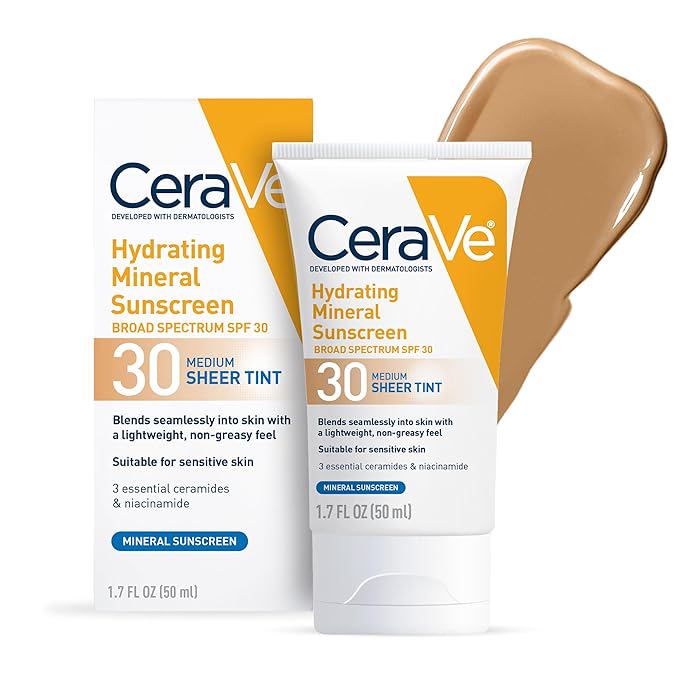
What to change: Wear a broad-spectrum sunscreen with at least SPF 30 every day, even when it’s cloudy or you’re indoors. Reapply every two hours if you’re outside. Don’t forget often-missed areas like the neck, hands, and ears. A wide-brimmed hat and UV-blocking sunglasses provide extra protection.
4. Diet high in sugar and processed foods
What you eat shows on your skin. A diet rich in sugar and refined carbohydrates can trigger a process called glycation, where sugar molecules bind to collagen and elastin, making them stiff and brittle. This leads to fine lines, wrinkling, and loss of firmness over time.
What to change: Focus on whole foods like vegetables, fruits, lean proteins, and healthy fats. Incorporate antioxidants—such as vitamins C and E, found in berries, citrus, nuts, and leafy greens—to help protect skin cells. Staying hydrated also supports skin elasticity and plumpness.
5. Chronic stress and dehydration
Stress triggers the release of cortisol, which can increase oil production and inflammation while decreasing collagen synthesis. Dehydration, on the other hand, makes skin look dull and emphasizes fine lines. When you’re constantly stressed and not drinking enough water, your skin’s barrier function suffers.
What to change: Build small stress-management rituals into your day—short walks, deep breathing, or a few minutes of quiet time. Carry a reusable water bottle and sip throughout the day; aim for about 8 cups (64 ounces) as a baseline, adjusting for activity level and climate. Using a humidifier in dry environments also helps maintain skin moisture.
It’s important to remember that aging is natural, and fine lines are not something to fear. But by identifying the habits that may be speeding up the process, you can make informed choices that support healthier, more resilient skin over the long term. Consistent, small changes—rather than drastic overhauls—are what matter most.