
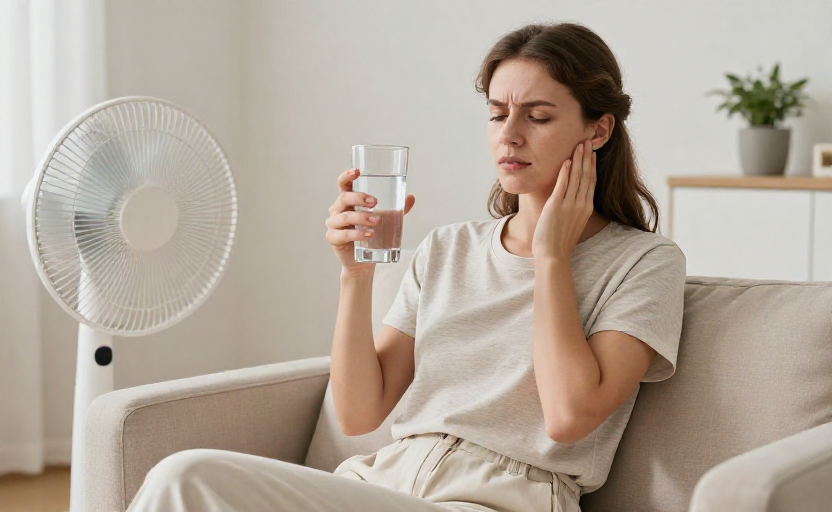
Hot flashes are one of the most common—and most disruptive—symptoms of menopause. For many women, they can derail sleep, focus, and confidence. While hormone therapy is an option for some, many are looking for non-medical ways to regain control. Emerging research and clinical experience suggest that targeted lifestyle changes can reduce hot flash frequency and severity by as much as 50 percent. Below are five evidence-based adjustments that may help you turn down the heat.
1. Identify and avoid your personal triggers
Hot flashes are often set off by specific triggers. The most common ones include spicy foods, caffeine, alcohol, and hot beverages. Keeping a simple symptom diary for a week or two can reveal patterns. For example, you might notice that a glass of red wine or a spicy curry is followed by a noticeable flush. Once you identify your triggers, you can experiment with eliminating or reducing them. Many women find that swapping coffee for a cool herbal tea, or choosing a mild meal over a fiery one, makes a meaningful difference in how often—and how intensely—they flash.
2. Practice paced, deep breathing
When you feel the first wave of heat rising, the way you breathe can change the outcome. Slow, deep breathing—often called diaphragmatic or belly breathing—can activate the parasympathetic nervous system, which helps cool the body's stress response. A simple technique is to inhale slowly through your nose for four seconds, hold for a count of four, and exhale through your mouth for six seconds. Practicing this for five minutes twice a day, and at the onset of a hot flash, can reduce the intensity of the episode. Over time, this trains your body to respond to internal heat cues with calm rather than panic.
3. Optimize your sleep environment for temperature regulation
Night sweats are essentially hot flashes that happen during sleep, and they are notorious for fragmenting rest. To help your body stay cooler, adjust your bedroom setup. Use moisture-wicking, breathable bedding materials—cotton or bamboo sheets are better than polyester. Keep the room temperature between 60 and 67 degrees Fahrenheit if possible. A small fan placed near the bed, angled to circulate air across your body, can also help. Some women find that a chilled gel pillow or a cool pack under the pillowcase can be a welcome relief. The goal is to minimize the chance that a hot flash will jolt you fully awake.
4. Engage in consistent, moderate physical activity
Exercise is one of the most powerful tools for managing hot flashes, but the type and intensity matter. High-intensity workouts can actually trigger a hot flash in the moment, while moderate, consistent activity helps regulate core body temperature and improve overall thermoregulatory control. Aim for 30 minutes of moderate exercise most days—brisk walking, swimming, cycling, or yoga are excellent choices. A large-scale study published in Menopause found that women who exercised regularly reported significantly fewer hot flashes and less severe symptoms. The key is consistency: a single workout won't do it, but a steady routine helps reset your internal thermostat over several weeks.
5. Adjust your diet to include cooling, stabilizing foods
What you eat plays a direct role in body temperature regulation. A diet rich in whole foods—vegetables, fruits, whole grains, lean proteins, and healthy fats—can help. Cruciferous vegetables like broccoli and kale, foods high in vitamin E like almonds and sunflower seeds, and soy-based foods (tofu, edamame) contain plant compounds that may help stabilize estrogen fluctuations. On the flip side, refined sugars and processed carbs can cause blood sugar spikes that are linked to hot flash triggers. Staying well-hydrated is also critical: even mild dehydration can turn a manageable warm sensation into a full-blown hot flash. Consider sipping cool water throughout the day rather than drinking large amounts all at once.
A quick note: These strategies work best when combined. One change alone may not cut hot flash intensity by half, but layering several of these adjustments often yields the most dramatic results. As always, check in with your healthcare provider before making significant changes, especially if you have underlying conditions.
Hot flashes don't have to control your life. By understanding what sets them off, how to respond in the moment, and how to create a cooler internal and external environment, you can significantly reduce their impact. Give yourself at least a few weeks to notice the difference—the payoff in comfort and quality of life is well worth the effort.