
You know the feeling: that afternoon slump where your head feels foggy, your patience wears thin, and every minor inconvenience feels like a major crisis. While we often reach for another cup of coffee or scroll through our phones for a distraction, the real solution might be simpler and closer at hand. It’s in your water glass.
Chronic, low-grade dehydration is a surprisingly common yet overlooked contributor to daily stress. When your body is even slightly short on fluids, it triggers a physiological stress response, releasing cortisol and making your nervous system more reactive. The good news is that building intentional hydration habits can be a powerful, accessible tool for creating a calmer, more resilient state of mind.
Why Dehydration Feels Like Stress
Think of water as the essential lubricant for your brain and body’s complex machinery. When levels dip, systems start to grind. Blood thickens slightly, making your heart work harder to pump it. Your brain tissue literally loses volume, impairing concentration, memory, and mood regulation. This physical strain signals your body to release stress hormones like cortisol.
Mild dehydration can mimic the symptoms of anxiety—irritability, fatigue, and difficulty focusing—making everyday challenges feel harder to manage.
It creates a cycle: you feel stressed, forget to drink, become dehydrated, and then feel even more stressed. Breaking this loop with consistent, mindful hydration habits helps maintain physiological balance, supporting your nervous system’s ability to stay regulated.
5 Dietitian-Recommended Hydration Habits for Calmer Days
Hydration isn’t about guzzling a gallon in one go. It’s about consistent, gentle replenishment throughout your day. These five habits are designed to weave hydration seamlessly into your routine, turning it from a chore into a conscious act of self-care.
1. Start Your Day with a Glass of Water, Before Anything Else
After six to eight hours of sleep, your body is in a natural state of dehydration. Reaching for the coffee pot first can be dehydrating. Instead, keep a full glass of water on your nightstand and drink it upon waking. This simple act rehydrates your systems, kickstarts metabolism, and helps flush out toxins. It sets a calm, intentional tone for the day, reminding you to care for your body’s basic needs first.
2. Pair Every Stress Cue with a Sip
Turn your water bottle into a stress-management tool. Create a gentle association: every time you feel a familiar stress signal—a tense shoulder, a sigh, the urge to check email—take a mindful sip of water. This does two things: it addresses potential dehydration that might be amplifying your stress, and it inserts a brief, calming pause into your reaction cycle. The act of pausing to drink can interrupt mounting frustration and bring a moment of presence.
3. Eat Your Water with Fruits and Vegetables
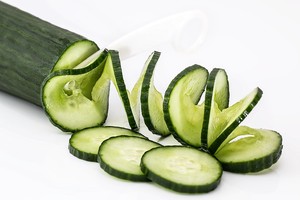
Hydration isn’t just about drinking. Many fruits and vegetables are over 90% water. Incorporating foods like cucumber, celery, watermelon, strawberries, spinach, and bell peppers into your snacks and meals provides a slow, steady release of fluids along with vital nutrients and fiber. This food-first approach supports hydration and stable blood sugar levels, both crucial for maintaining steady energy and mood.
4. Set a “Hydration Harmony” Alarm, Not a Reminder
Instead of a jarring alarm that says “DRINK!”, set a gentle, recurring tone on your phone or watch labeled “Hydration Harmony” or “Pause and Sip.” When it chimes, view it as an invitation to check in with yourself. Take three slow breaths and a few sips of water. This habit transforms hydration from a task into a mini mindfulness practice, helping to reset your nervous system throughout the day.
5. Wind Down with a Soothing Evening Sip
Proper hydration supports sleep quality, and good sleep is foundational for stress resilience. However, avoid large volumes right before bed to prevent sleep disruptions. About an hour before you plan to sleep, enjoy a small cup of caffeine-free herbal tea, like chamomile or lemon balm, or simply a glass of cool water. This ritual helps with overnight hydration, signals to your body that it’s time to relax, and replaces late-night snacking that can be driven by mistaken thirst cues.
Listening to Your Body’s Signals
Beyond these habits, the most important practice is tuning in. Thirst is a late-stage signal. Earlier signs of mild dehydration include fatigue, headache, dry mouth, and, notably, increased irritability or anxiety. Observe the color of your urine; aim for a pale straw color. Remember, your needs will vary with activity, climate, and diet.
Building better hydration habits is a gentle, proactive way to support your entire well-being. By consistently meeting your body’s fluid needs, you’re not just quenching thirst—you’re providing a physiological foundation for greater calm, clarity, and resilience against the inevitable stresses of daily life. Start with one habit, notice how you feel, and let that positive reinforcement guide you to the next.