When stress builds, tension often settles in the neck, shoulders, and head. For many, that familiar tight feeling eventually turns into a dull or throbbing headache. While managing stress itself is key, what you eat can also play a supporting role. Specifically, foods with high water content can help keep you hydrated, support circulation, and relax tight muscles—all factors that may head off a tension headache before it starts.
Below are five hydrating, nutrient-rich snacks that are easy to work into your day and may help reduce tension and prevent stress-related headaches.
Why Hydration Matters for Headache Prevention
Even mild dehydration can cause blood volume to drop, leading to reduced oxygen flow to the brain and triggering headache pain. Water-rich foods deliver fluids gradually, along with electrolytes and minerals that help muscles relax and nerves function smoothly. When stress is high, reaching for a juicy snack instead of a dry, salty one can make a real difference.
1. Cucumber Slices with a Sprinkle of Sea Salt
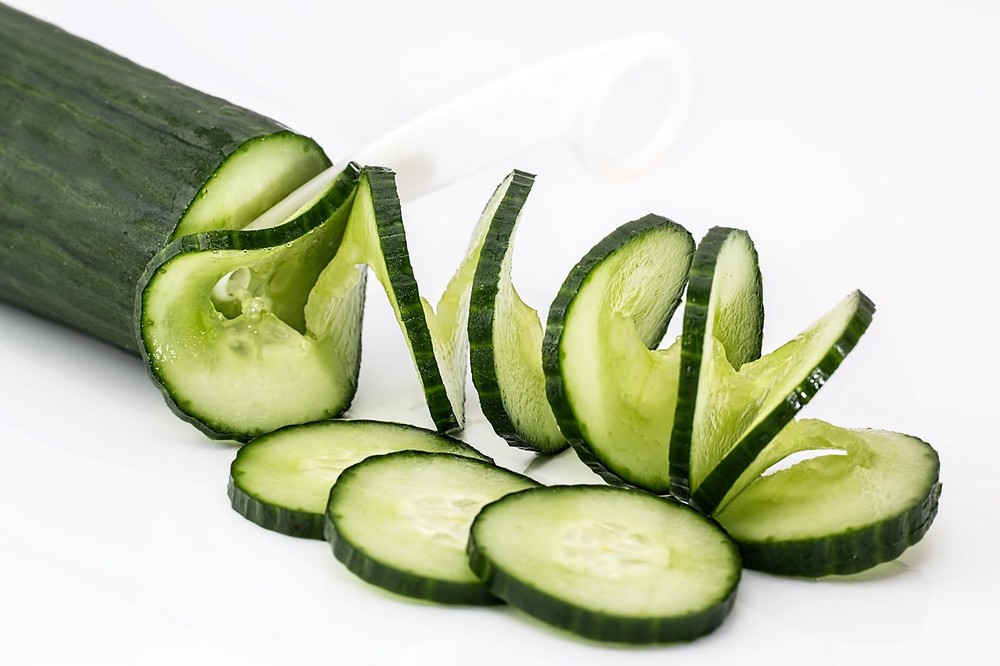
Cucumbers are around 96 percent water, making them one of the most hydrating foods you can eat. They also contain silica and vitamin K, which support connective tissue health. A light sprinkle of high-quality sea salt adds trace minerals that help your body retain fluids more effectively. For a quick snack, slice a cucumber, add a pinch of salt, and enjoy. You can also pair it with a dollop of plain yogurt for protein and probiotics.
2. Watermelon Chunks with Lime
Watermelon lives up to its name—it's packed with water, plus lycopene and vitamin C, antioxidants that fight inflammation. The natural sugars provide a gentle energy lift without the crash that comes from processed sweets. Squeeze fresh lime juice over melon cubes for a tangy twist that also adds a dose of vitamin C. This snack is especially refreshing on hot days or after a stressful meeting.
3. Celery Sticks Filled with Almond Butter
Celery is about 95 percent water, and its natural crunch makes it a satisfying base. Almond butter contributes healthy fats, magnesium, and a bit of protein. Magnesium, in particular, has been studied for its role in relaxing blood vessels and reducing the frequency of tension headaches. Fill celery grooves with a tablespoon of unsweetened almond butter for a snack that balances hydration, healthy fat, and a touch of fiber.
4. Strawberry and Spinach Smoothie
Both strawberries and spinach have high water content—strawberries are around 91 percent water, spinach about 92 percent. Blend a handful of each with unsweetened almond milk and a few ice cubes for a cold, hydrating drink. Spinach provides magnesium and potassium, which support muscle relaxation and nerve signaling. Strawberries add sweetness plus vitamin C and anti-inflammatory compounds. This smoothie works as a quick breakfast or an afternoon reset.
5. Bell Pepper Strips with Guacamole
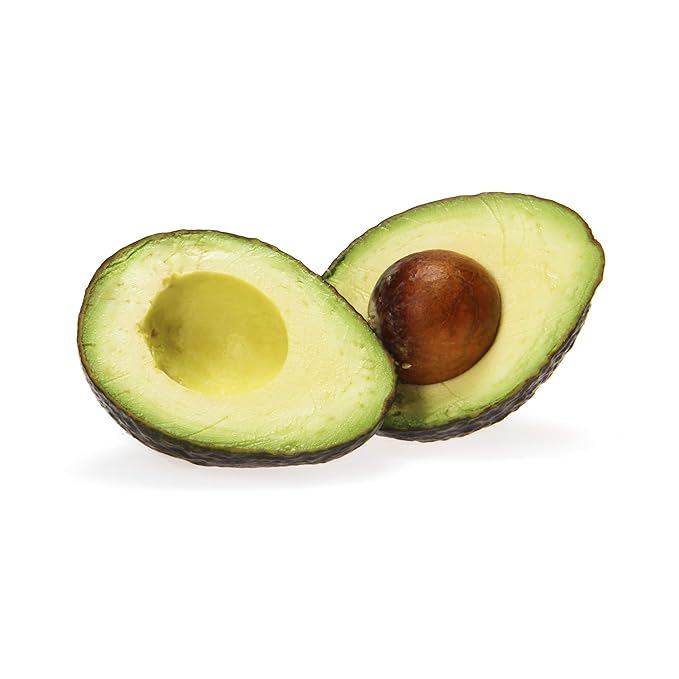
Bell peppers, especially red ones, are loaded with water and vitamin C. They also provide a mild, sweet crunch that pairs well with creamy guacamole. Avocado, the main ingredient in guacamole, is rich in healthy monounsaturated fats, potassium, and magnesium—all of which support vascular health and may help prevent headache triggers. Potassium helps regulate fluid balance, and magnesium can ease muscle tension. Slice a bell pepper into strips and dip into a small bowl of guacamole for a satisfying, hydrating snack.
Tips for Making These Snacks Work for You
Keep prepped veggies in a glass container with a damp paper towel to maintain crunch. Make a batch of guacamole with lime juice to slow browning. For smoothies, freeze spinach and banana chunks so you can blend a quick drink without ice. If you're prone to tension headaches, aim to eat one of these snacks between meals when stress levels tend to peak—mid-morning or late afternoon.
A quick note: While these snacks can support hydration and relaxation, they are not a substitute for medical advice. If you experience frequent or severe headaches, consult a healthcare professional to rule out underlying conditions.