If you’ve been told you have prediabetes, you’re not alone. It’s a common diagnosis, and it can feel like a daunting crossroads. But here’s the powerful truth many people discover: this diagnosis is often a pivotal opportunity for change. The food choices you make now can directly influence your body’s ability to manage blood sugar and improve insulin sensitivity, potentially steering you back toward a healthier metabolic path.
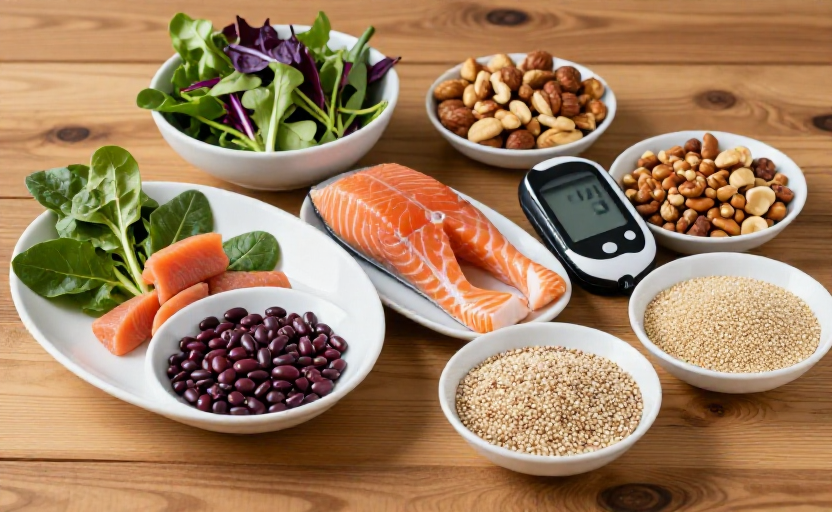
Nutritionists emphasize that the goal isn’t about extreme restriction or finding a magic bullet. It’s about strategic, consistent additions—crowding your plate with foods that work *for* you. These are foods that help slow the absorption of sugar, reduce inflammation, and provide steady energy without dramatic spikes. Let’s explore five foundational foods that experts consistently highlight for their role in supporting metabolic health and reversing prediabetes.
What makes a food helpful for prediabetes?
Before we list specific foods, it helps to understand the qualities nutritionists look for. The most supportive foods for prediabetes typically share a few key characteristics. They are rich in fiber, which slows digestion and the release of glucose into your bloodstream. They often have a low glycemic index, meaning they cause a slower, more gradual rise in blood sugar. Many are also packed with specific nutrients—like magnesium and healthy fats—that improve how your cells respond to insulin. It’s this combination of factors that makes them so effective.
Five foods to focus on
Think of these not as a temporary diet, but as delicious, nourishing staples to build your meals around.
1. Legumes: Beans, lentils, and chickpeas
These humble pantry staples are metabolic powerhouses. They are exceptionally high in both soluble and insoluble fiber. The soluble fiber forms a gel-like substance in your gut, which slows the breakdown of carbohydrates and the absorption of sugar. This leads to a much gentler rise in blood glucose after a meal.
Furthermore, legumes are a fantastic source of plant-based protein and resistant starch—a type of carbohydrate that acts like fiber, feeding the beneficial bacteria in your gut. A healthier gut microbiome is increasingly linked to better blood sugar control and reduced inflammation.
Try adding a half-cup of beans to your salad, blending lentils into a soup, or enjoying hummus with vegetable sticks for a satisfying snack.
2. Non-starchy vegetables
This category is your foundation. Think leafy greens (spinach, kale), cruciferous vegetables (broccoli, cauliflower, Brussels sprouts), peppers, mushrooms, and asparagus. They are very low in digestible carbohydrates and calories but incredibly high in volume, fiber, vitamins, and antioxidants.
Their high fiber and water content help you feel full, which can support healthy weight management—a key factor in improving insulin sensitivity. The antioxidants they contain help combat oxidative stress, which is often elevated in prediabetes.
A simple rule of thumb from nutritionists: aim to fill half your plate with these vegetables at both lunch and dinner.
3. Whole, intact grains
It’s crucial to distinguish between refined grains (white bread, white rice) and whole, intact grains. The latter—like oats, quinoa, farro, barley, and brown rice—retain their bran and germ. This means they retain all their fiber, which is essential for blood sugar management.
For example, steel-cut or old-fashioned oats are rich in a specific type of soluble fiber called beta-glucan. Studies show beta-glucan can improve insulin response and lower blood sugar spikes after meals. The key is to choose grains that are as close to their natural state as possible.
Swap out refined grains for these whole options. Have oatmeal for breakfast, use quinoa as a base for a bowl, or choose 100% whole-grain bread.
4. Nuts and seeds
Almonds, walnuts, chia seeds, flaxseeds, and pumpkin seeds are small packages of immense benefit. They provide healthy fats (mono- and polyunsaturated fats), plant-based protein, and fiber—a trio that promotes satiety and stable energy.
The healthy fats and magnesium found abundantly in nuts and seeds are directly involved in improving insulin sensitivity. Research suggests that regularly including a modest portion of nuts in your diet is associated with a lower risk of developing type 2 diabetes. Because they are calorie-dense, a small handful (about one ounce) per day is a good target.
5. Fatty fish
Salmon, mackerel, sardines, and herring are rich in omega-3 fatty acids, specifically EPA and DHA. These fats are potent anti-inflammatory agents. Since chronic, low-grade inflammation is a driver of insulin resistance, consuming anti-inflammatory foods is a direct strategic move.
Including fatty fish at least twice a week provides these beneficial fats and high-quality protein, which helps manage hunger and supports muscle health—muscle being a primary site for glucose uptake.
How to bring it all together
Knowing which foods to eat is one thing; incorporating them seamlessly is another. The goal is a sustainable pattern, not perfection.
Start with one meal. Perhaps you decide that lunch will always include a large serving of non-starchy vegetables and a source of plant-based protein like beans or lentils. Or, you might begin your day with a bowl of oatmeal topped with chia seeds and a few walnuts.
Build balanced plates. A helpful model is to visualize your plate: half non-starchy vegetables, a quarter lean protein (like fish or legumes), and a quarter whole, intact grains or starchy vegetables like sweet potato.
Be mindful of preparation. Steaming, roasting, and sautéing are great ways to prepare these foods. Be cautious of added sugars, excessive salt, and unhealthy oils in sauces and dressings, which can undermine the benefits of the whole foods.
Remember, these foods work best as part of an overall lifestyle that includes regular physical activity, adequate sleep, and stress management. They are powerful tools, and when used consistently, they can help your body regain its natural metabolic balance.