When it comes to hair growth, most of us focus on what we put on our strands—shampoos, serums, and masks. But what you put on your plate matters just as much, if not more. Your hair follicles are among the most metabolically active tissues in your body, and they need a steady stream of nutrients to sustain a long, healthy growth cycle. Dietitians point to five foods in particular that can help keep your hair in the anagen (growing) phase longer, meaning less shedding and more length over time.
Why Diet Matters for Your Hair Growth Cycle
Every hair on your head follows a growth cycle: a growing phase (anagen), a transitional phase (catagen), and a resting phase (telogen) when the hair falls out. The longer the anagen phase lasts, the longer your hair can grow before it sheds. Nutrients like protein, iron, zinc, omega-3 fatty acids, and certain vitamins help support the cells responsible for hair fiber production. Without these building blocks, your hair may enter the resting phase prematurely.
Think of your diet as the fuel for your hair follicles. If the fuel is low-grade, the engine sputters.
1. Eggs: The Protein Powerhouse
Eggs are one of the most concentrated sources of protein and biotin—two nutrients that are essential for hair structure and growth. Hair is made almost entirely of a protein called keratin, so a low-protein diet can literally stop hair growth in its tracks. Biotin, a B vitamin found in egg yolks, helps the body produce keratin. Dietitians recommend eating the whole egg, as the yolk contains most of the hair-friendly nutrients.
Look for pastured or omega-3-enriched eggs, which also provide healthy fats that support scalp health. One large egg gives you about 6 grams of protein and 10 micrograms of biotin. A serving of two eggs a few times a week can make a noticeable difference over time.
2. Fatty Fish: Omega-3s for Scalp Health
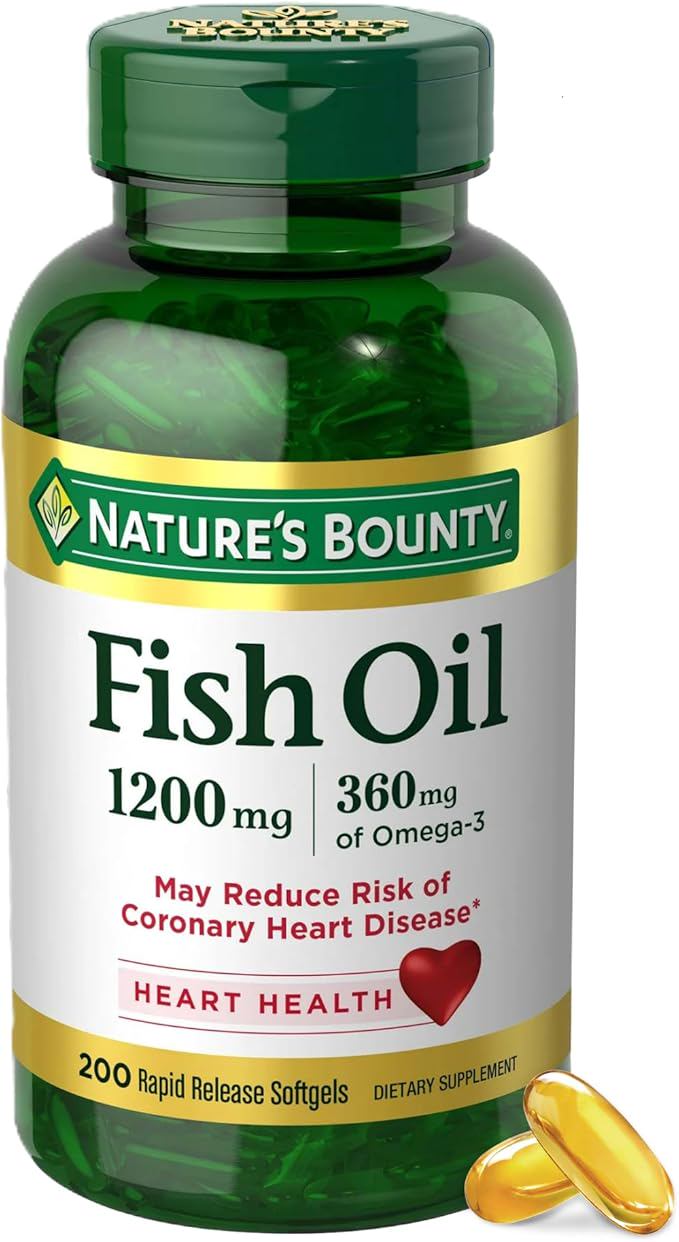
Salmon, mackerel, herring, and sardines are rich in omega-3 fatty acids. These healthy fats help nourish the scalp and support the oil glands that keep hair moisturized from the root. A dry, inflamed scalp can shorten the hair growth cycle, leading to increased shedding. The anti-inflammatory properties of omega-3s may help counter this.
Fatty fish also provide vitamin D and selenium. Low vitamin D levels have been linked to hair loss conditions, and selenium helps the body recycle antioxidants that protect hair follicles from oxidative stress. Aim for two servings of fatty fish per week (a serving is about 3–4 ounces cooked).
3. Spinach: Iron and Folate for Follicles
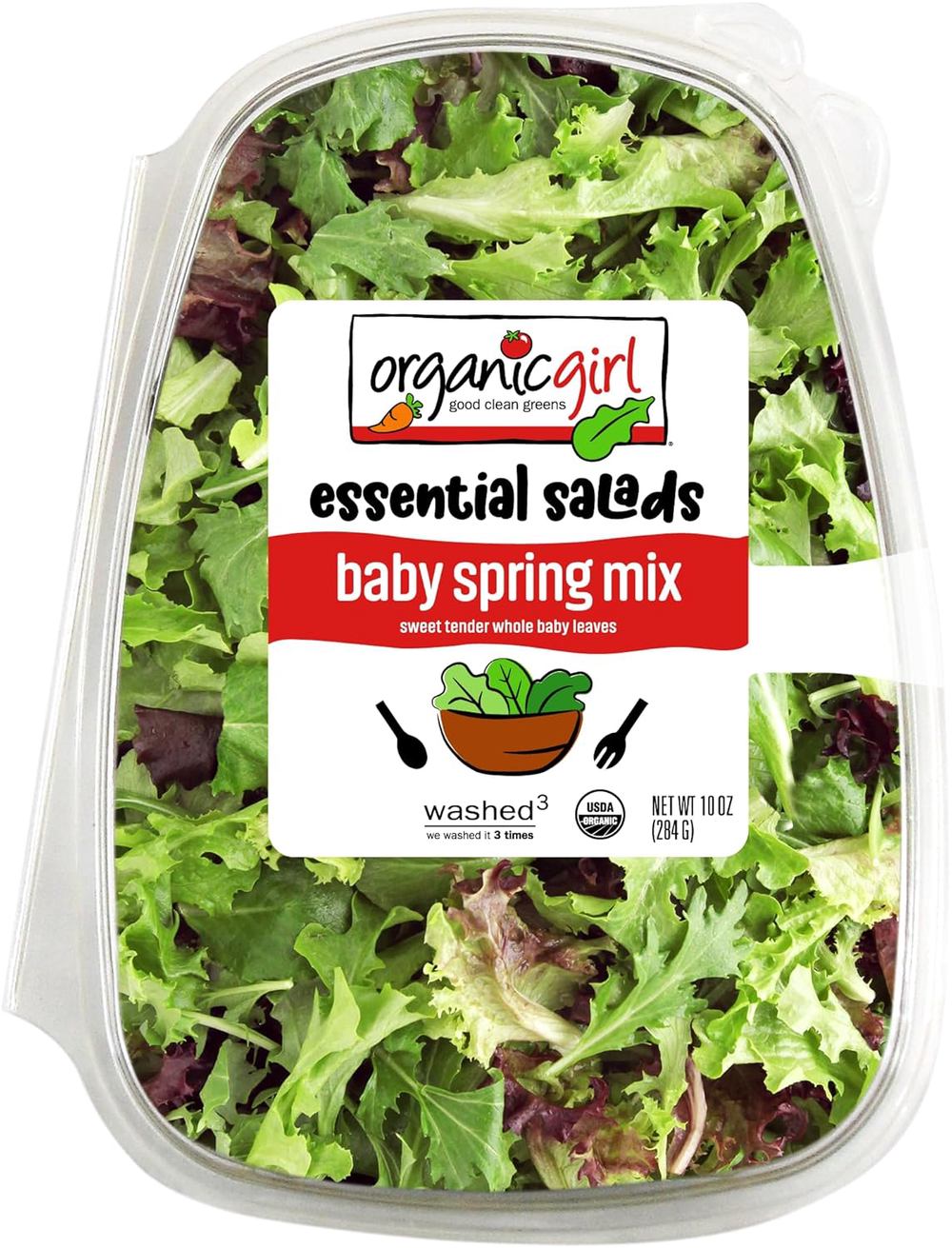
Dark leafy greens like spinach are packed with iron, folate, and vitamin C. Iron is especially critical for hair growth because it helps red blood cells carry oxygen to the scalp and follicles. If your iron stores are low, your body may prioritize oxygen delivery to vital organs over hair growth, causing the anagen phase to shorten.
Spinach also provides vitamin C, which boosts iron absorption and helps the body produce collagen—a structural protein that strengthens the hair shaft. A cup of cooked spinach delivers about 6 mg of iron (roughly a third of the daily requirement for premenopausal women) and more than your daily need for vitamin C. Toss it into smoothies, sautés, or salads.
4. Oysters: The Zinc Connection
Oysters are famously rich in zinc, a mineral that plays a key role in hair tissue growth and repair. A zinc deficiency can cause hair to become brittle and may even lead to telogen effluvium—a condition where hair falls out prematurely after stress or nutritional shortfalls. Even a mild zinc deficit can slow down the hair growth cycle.
Just three ounces of cooked oysters provide about 74 mg of zinc, which is well above the daily recommended amount (8–11 mg for adults). If oysters aren’t your thing, other good zinc sources include beef, pumpkin seeds, and chickpeas. But dietitians often point to oysters as the top source because the zinc in them is highly absorbable.
5. Bell Peppers: Vitamin C Boosters
You might not think of bell peppers as a hair food, but they contain more vitamin C by weight than oranges. Vitamin C is a powerful antioxidant that protects hair follicles from damage caused by free radicals. It also helps the body absorb iron from plant-based foods and is required for the production of collagen, which strengthens the capillaries that supply blood to the hair shafts.
Red bell peppers are especially beneficial because they’re fully ripened and contain more beta-carotene (which the body converts to vitamin A) than green ones. Vitamin A helps the scalp produce sebum, a natural conditioner. Half a cup of chopped red bell pepper gives you about 95 mg of vitamin C, exceeding the daily recommendation.
Putting It All Together
You don’t need to overhaul your entire diet overnight. Dietitians suggest a simple, sustainable approach: include at least one or two of these foods in your meals each day. For example, scrambled eggs with spinach for breakfast, a salmon salad with bell peppers for lunch, or a small plate of oysters as an appetizer. Consistency over time is what supports the hair growth cycle—not a single “miracle” meal.
Keep in mind that hair grows slowly (about half an inch per month on average), so it can take several months before you notice a difference in length or thickness. Pair these dietary changes with good scalp care, gentle styling, and stress management for the best results.
If you have concerns about hair loss or a suspected nutrient deficiency, talk to a healthcare provider or a registered dietitian. They can run tests to check your iron, zinc, vitamin D, and other levels before recommending changes.