When we think about smoothing fine lines, our minds often jump straight to serums and creams. But what if one of the most powerful tools for supporting your skin’s resilience and youthful appearance was already in your kitchen? Nutrition provides the fundamental building blocks your skin needs to repair itself, maintain hydration, and protect against the environmental factors that contribute to visible aging. The science is clear: certain foods deliver a concentrated dose of antioxidants, healthy fats, and other compounds that work from the inside to support your skin’s structure.
This isn’t about a restrictive diet or a magic bullet. It’s about understanding how specific, delicious foods can become allies in your skincare routine by nourishing the collagen and elastin that keep skin plump, and fighting the oxidative stress that breaks them down. Let’s look at what research points to as some of the most supportive choices.
Fatty Fish: The Omega-3 Powerhouse
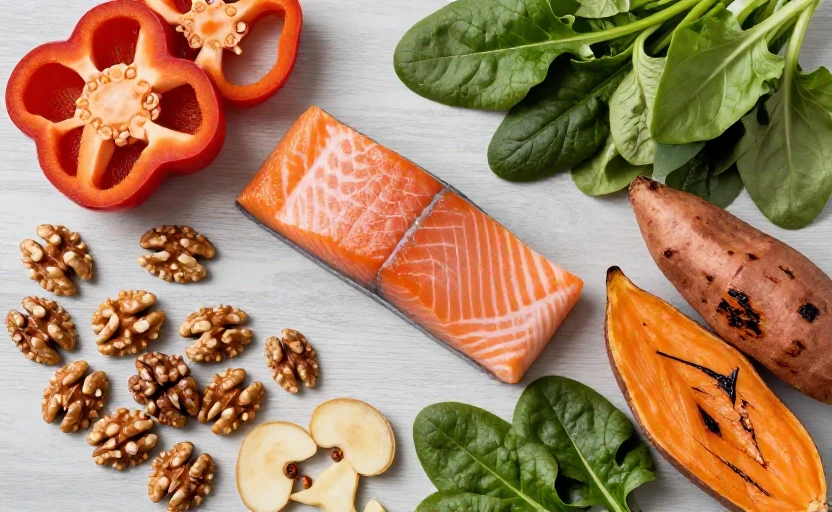
Salmon, mackerel, herring, and sardines are rich in the long-chain omega-3 fatty acids EPA and DHA. These fats are integral to your skin’s health. They help maintain the skin’s lipid barrier, which is essential for keeping moisture in and irritants out. A strong, hydrated barrier means skin looks plumper and smoother.
Perhaps more importantly for fine lines, omega-3s are potently anti-inflammatory. Chronic, low-grade inflammation can accelerate the breakdown of collagen and elastin—the very proteins that give skin its firmness and elasticity. By helping to manage this inflammation, the healthy fats in fatty fish support the skin’s underlying structure. Studies have linked higher intake of these fats to better skin elasticity and a reduction in roughness.
Think beyond dinner: try canned salmon in a salad or mashed sardines on whole-grain toast for a simple lunch.
Colorful Bell Peppers (Especially Red and Yellow)
Bell peppers, particularly the vividly colored red and yellow varieties, are an exceptional source of vitamin C. This vitamin is a non-negotiable co-factor for collagen synthesis. Your body literally cannot produce collagen without it. Consuming adequate vitamin C helps ensure your skin has the raw materials it needs to maintain and repair its supportive framework.
But vitamin C’s role doesn’t end there. It’s also a potent antioxidant that helps neutralize free radicals generated by UV exposure and pollution. These free radicals damage collagen and elastin, leading to premature fine lines and sagging. By providing this dual action—supporting production while fighting degradation—vitamin C-rich foods like bell peppers offer foundational support for smoother-looking skin.
Walnuts
Walnuts stand out in the nut world for skin support. They are a good plant-based source of those essential anti-inflammatory omega-3 fatty acids (in the form of ALA). They also contain zinc, a mineral crucial for skin healing and barrier function, and selenium, another protective antioxidant.
Interestingly, walnuts also provide small amounts of vitamin E and polyphenols like ellagic acid. Research suggests the nutrients in walnuts work together synergistically. The vitamin E helps protect the delicate omega-3 fats from oxidation in your body, while the polyphenols offer additional antioxidant protection for your skin cells. A small handful as a snack can be a simple, crunchy way to feed your skin.
Sweet Potatoes
The vibrant orange hue of a sweet potato is a telltale sign of its beta-carotene content. Your body converts this carotenoid into vitamin A, which is vital for skin cell growth and turnover. A steady supply of new, healthy skin cells contributes to a fresher, more radiant complexion.
Beta-carotene itself also acts as a nutrient for your skin. It accumulates in the skin and functions as a natural sun protectant of sorts, helping to guard against UV-induced cell damage. While it’s not a replacement for sunscreen, dietary beta-carotene can contribute to your skin’s overall defense system. Consistent intake from foods like sweet potatoes, carrots, and leafy greens is linked to a warmer, healthier skin tone and protection against photoaging.
Leafy Greens (Spinach, Kale, Swiss Chard)
Dark leafy greens are like a multivitamin for your skin. They are loaded with the antioxidants vitamin C and vitamin E, which often work as a team—vitamin E helps stabilize vitamin C, and vitamin C can regenerate vitamin E, making their combined effect more powerful in combating oxidative stress.
Furthermore, greens like spinach are rich in lutein and zeaxanthin, carotenoids that filter harmful high-energy blue light and protect skin integrity. They’re also a source of vitamin K and folate, which support overall cell health. The high water content in these vegetables contributes to hydration as well. Blending them into a smoothie, sautéing them with garlic, or using them as a salad base are easy ways to make them a regular part of your diet.
Incorporating these foods creates a dietary pattern that consistently supplies your skin with the tools it needs. The goal isn’t perfection at every meal, but a thoughtful shift toward more frequent inclusion. Alongside a good skincare routine, sun protection, and adequate hydration, what you eat can be a profound and delicious part of caring for your skin’s long-term health and appearance.