
If you have spent restless nights staring at the ceiling, you are not alone. Many people struggle with falling or staying asleep, and the solution may be closer than you think: your dinner plate. Sleep and nutrition experts agree that certain foods contain natural compounds that help calm the nervous system and support the body's sleep-wake cycle. Here are five science-backed foods to prioritize for deeper, more restorative rest.
1. Tart Cherries — Nature's Melatonin Source
Tart cherries, especially the Montmorency variety, are one of the few natural food sources of melatonin, the hormone that regulates sleep. Research suggests that drinking tart cherry juice may increase sleep time and improve sleep quality in adults with insomnia. For a simple evening snack, try a small bowl of tart cherries or a glass of unsweetened cherry juice about an hour before bed.
2. Fatty Fish — Vitamin D and Omega-3s for Sleep Regulation
Salmon, mackerel, and tuna are rich in omega-3 fatty acids and vitamin D, both of which are linked to healthier sleep patterns. A 2014 study found that people who ate fatty fish regularly fell asleep faster and reported better overall sleep quality. Aim to include a serving of fatty fish in your evening meal two to three times per week.
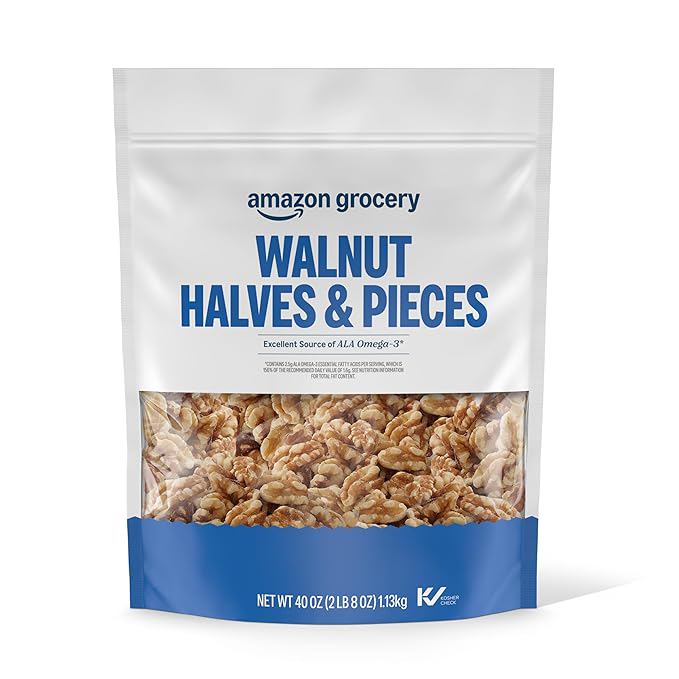
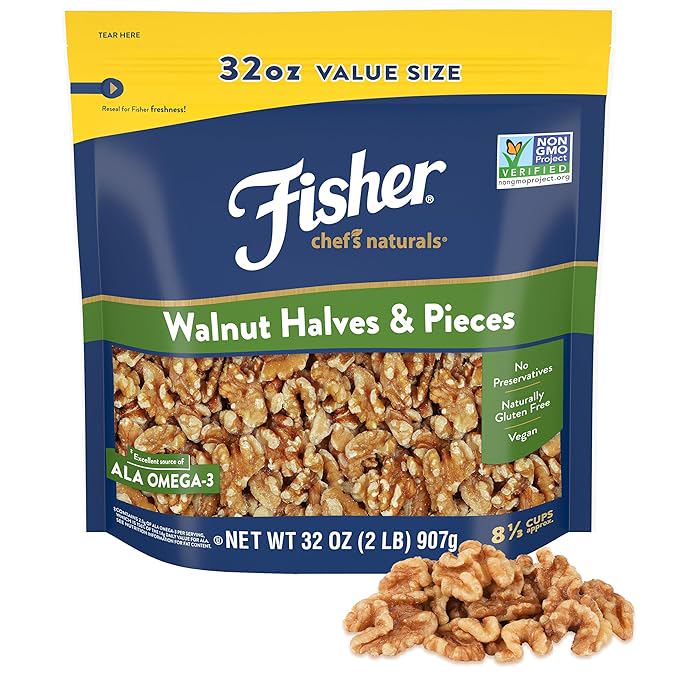
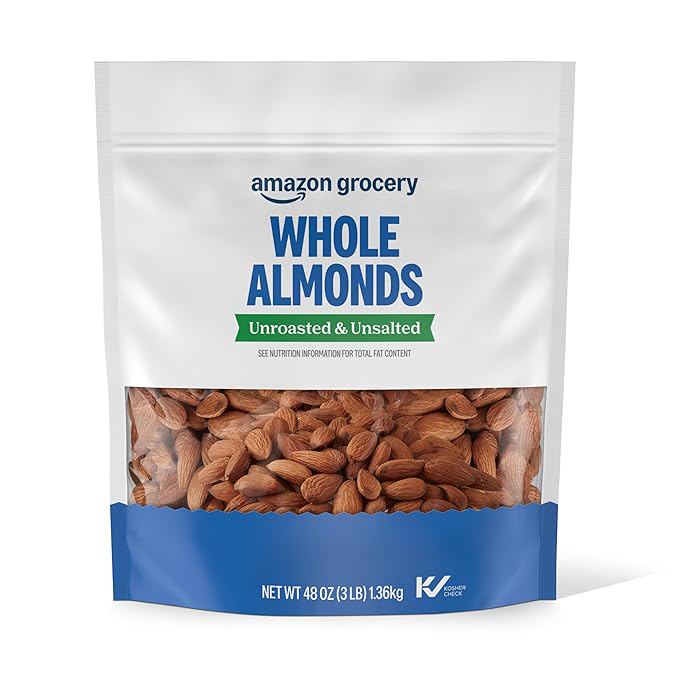
A small handful of almonds or walnuts can provide a natural dose of magnesium — a mineral that helps quiet the mind.
3. Nuts — Magnesium for Relaxation
Almonds, walnuts, and pistachios are excellent sources of magnesium, a mineral that supports GABA production in the brain. GABA is a neurotransmitter that promotes relaxation and reduces neural activity. A small handful (about one ounce) of unsalted nuts makes an ideal bedtime snack. Walnuts also contain their own small amounts of melatonin.
4. Kiwi — Serotonin and Antioxidants
Kiwifruit is packed with serotonin, a brain chemical that helps regulate the sleep cycle. In a small study, adults who ate two kiwis one hour before bedtime for four weeks fell asleep faster and slept more soundly. The fruit's high antioxidant content may also help reduce inflammation-related sleep disruption. Eat the skin for extra fiber — just wash it well first.
5. Whole Grains — Complex Carbs for Tryptophan Transport
Oats, quinoa, and brown rice provide complex carbohydrates that help the amino acid tryptophan cross into the brain. Tryptophan is a precursor to serotonin and melatonin. A light bowl of oatmeal with a splash of milk or a quinoa bowl with vegetables can encourage drowsiness without causing blood sugar spikes. Keep portions small to avoid digestive discomfort.
General wellness tip: Pair these foods with good sleep hygiene — a consistent bedtime, limited screen exposure, and a cool, dark room — for the best results. No food is a cure for chronic insomnia; consult a healthcare provider if you regularly struggle with sleep.