When we talk about skin health, elasticity is the star of the show. It’s that subtle bounce-back quality, the gentle resistance when you press your cheek. It’s what gives skin a plump, youthful contour. While creams and serums work on the surface, the foundation for resilient skin is built from within, at the cellular level, with the nutrients you consume every day.
Dietitians emphasize that no single food is a magic bullet. Instead, lasting skin elasticity comes from a consistent pattern of eating that supplies the raw materials your body needs to produce and protect its own collagen and elastin—the protein fibers that act like a supportive scaffolding beneath the skin’s surface. The following foods are powerful allies in that ongoing process.
What does food have to do with skin elasticity?
Think of your skin as a dynamic construction site. Collagen and elastin are the primary structural beams. Over time, natural aging and environmental factors like sun exposure and pollution break down these proteins faster than your body can rebuild them. This leads to a loss of firmness and the formation of fine lines.
Certain foods provide the essential amino acids, vitamins, and antioxidants that serve as both the building blocks for new collagen and the protective shields that defend existing structures from damage. By incorporating these foods regularly, you’re supplying the construction crew with high-quality materials and better tools for the job.
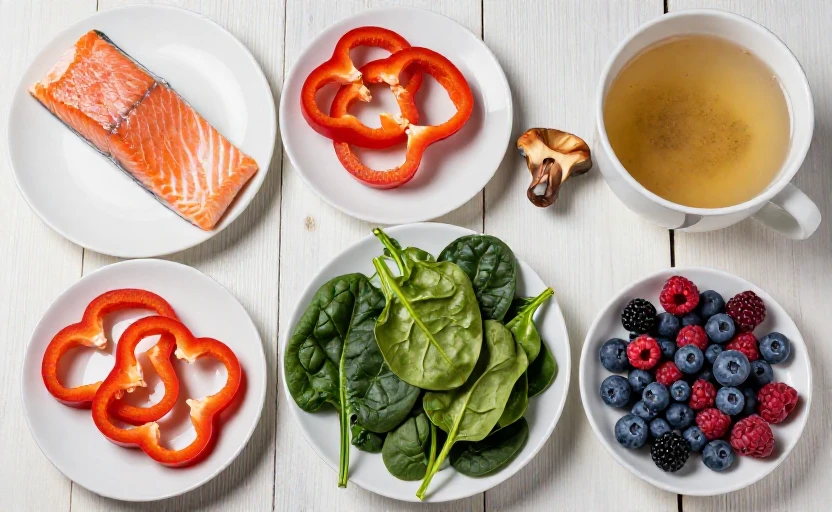
1. Fatty Fish (Salmon, Mackerel, Sardines)
Fatty fish are a cornerstone of an elasticity-supportive diet. They are rich in omega-3 fatty acids, specifically EPA and DHA, which are potent anti-inflammatory agents. Chronic, low-grade inflammation in the body can accelerate the breakdown of collagen. By helping to quiet this inflammation, omega-3s create a more favorable environment for collagen maintenance.
Furthermore, the healthy fats in these fish help fortify the skin’s lipid barrier, improving hydration. Well-hydrated skin appears plumper and smoother, which complements underlying elasticity. Sardines and canned salmon with bones offer an added bonus: they are a source of bioavailable calcium and trace minerals that support overall skin health.
Aim for two servings of fatty fish per week. If that’s a stretch, even one can make a meaningful difference.
2. Colorful Bell Peppers (Especially Red and Yellow)
Bell peppers, particularly the vibrant red and yellow varieties, are exceptionally high in vitamin C. This vitamin is non-negotiable for skin elasticity because it plays two critical roles. First, it is a necessary co-factor for the enzymes that actually weave collagen molecules together. Without adequate vitamin C, collagen synthesis stalls.
Second, vitamin C is a powerful antioxidant that helps neutralize free radicals generated by UV exposure and pollution before they can damage collagen and elastin fibers. Red bell peppers contain significantly more vitamin C than oranges, making them a stellar, low-sugar choice for skin support.
3. Bone Broth
Bone broth has gained attention for good reason. When animal bones and connective tissue are simmered for long periods, they release collagen, gelatin, and amino acids like glycine and proline directly into the broth. While your body doesn’t use this dietary collagen directly as a building block, it does absorb these smaller peptides and amino acids, which may then be used as readily available resources for your own collagen production.
Think of it as providing pre-processed materials to the construction site, potentially making the rebuilding process more efficient. It’s also a hydrating source of electrolytes. For the most benefit, look for broth simmered for 12+ hours or make your own.
4. Dark Leafy Greens (Spinach, Kale, Swiss Chard)
This category is a multi-vitamin for your skin. Dark leafy greens are packed with skin-critical nutrients. They are excellent sources of vitamin C, as mentioned, and also provide vitamin A, which supports skin cell turnover. Perhaps most notably, they are rich in lutein and zeaxanthin.
These plant pigments act as internal sunscreens, absorbing damaging blue light and helping to protect skin’s structural proteins from photo-aging. The folate in greens also aids in DNA repair and cell regeneration, supporting the overall health of skin cells.
5. Berries (Blueberries, Strawberries, Blackberries)
Berries deliver a concentrated dose of antioxidants, including vitamin C and a wide array of polyphenols like anthocyanins (which give them their deep color). This antioxidant network works synergistically to combat oxidative stress, a major driver of collagen degradation.
By reducing this damage, berries help preserve the existing collagen and elastin you have. Their fiber content also supports a healthy gut microbiome, which is increasingly linked to reduced inflammation and, by extension, healthier skin. Frozen berries are just as nutritious as fresh and make for an easy addition to meals.
Building a Skin-Supportive Eating Pattern
Focusing on these five foods is a fantastic start, but the real magic happens when they become part of a consistent, colorful diet. Variety is key because different plant colors provide different protective antioxidants. Combine them for greater effect: add berries to a spinach smoothie, top a salmon salad with bell peppers, or sip bone broth alongside a meal rich in vegetables.
It’s also wise to be mindful of dietary patterns that can undermine elasticity. High sugar intake can lead to a process called glycation, where sugar molecules bind to and stiffen collagen fibers. Excessive alcohol can dehydrate the skin and deplete nutrient stores. A balanced approach that emphasizes whole, nutrient-dense foods creates the ideal internal landscape for skin to thrive.
Remember, changes in skin elasticity from nutrition are gradual and cumulative. You’re nourishing the deepest layers, and that patience yields a resilience that shines through for years to come.