An itchy scalp can turn a good hair day into a frustrating one, especially for those with curls and coils. The tight curl pattern can make it harder for your scalp’s natural oils to travel down the hair shaft, which can lead to dryness, irritation, and that persistent urge to scratch. While topical treatments have their place, the foundation for a calm, healthy scalp often starts with what you put on your plate.
Nourishing your body with the right foods provides the essential building blocks for a resilient scalp and strong, well-hydrated hair. Let’s explore five specific foods that can help soothe irritation, reduce flakiness, and support the overall health of your scalp and curls.
Fatty Fish for Omega-3s
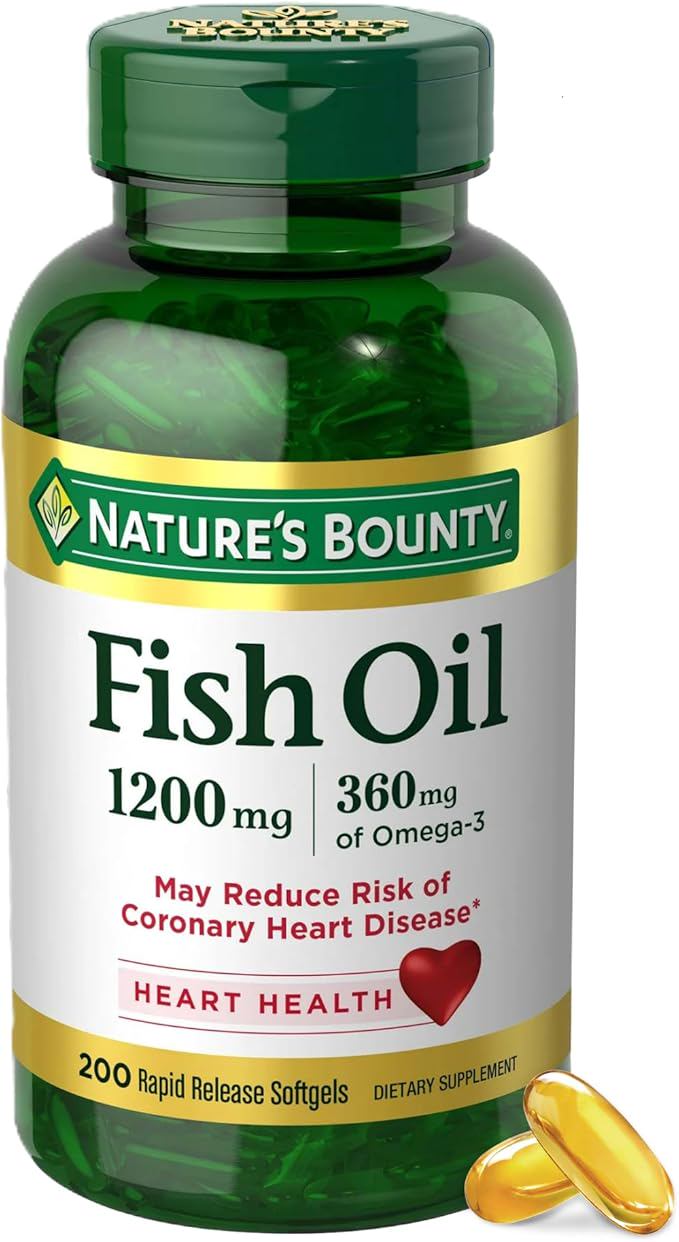
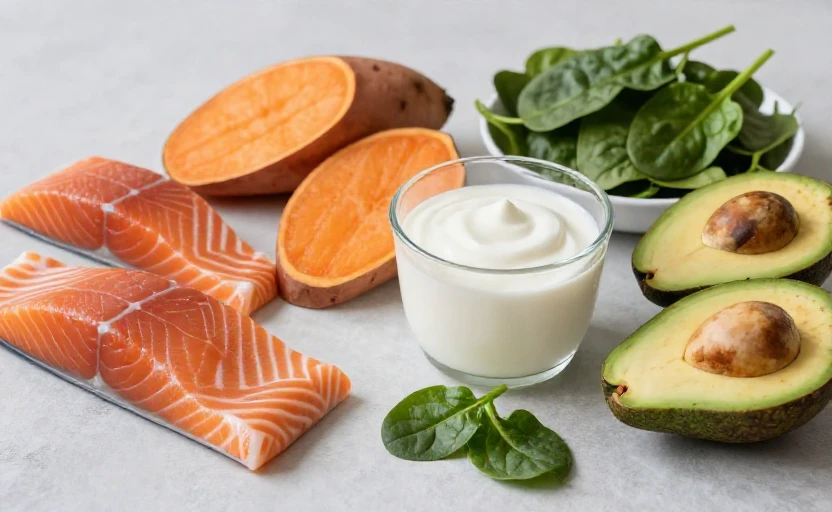
Salmon, mackerel, and sardines are rich in omega-3 fatty acids. These healthy fats are powerful anti-inflammatories. For your scalp, this means they can help calm the kind of underlying inflammation that contributes to dryness, itching, and conditions like dandruff. Omega-3s also help keep your scalp and hair hydrated from the inside out by supporting the health of your skin’s natural oil barrier.
Think of omega-3s as internal moisturizers that help create a less irritable environment for your hair follicles.
Sweet Potatoes for Beta-Carotene
Your body converts the beta-carotene in sweet potatoes into vitamin A, a nutrient crucial for skin and scalp health. Vitamin A aids in the production of sebum, the natural oil that keeps your scalp from becoming too dry and itchy. A deficiency can actually lead to a dry, flaky scalp. Beta-carotene also acts as an antioxidant, helping to protect scalp cells from environmental damage.
Spinach and Leafy Greens for Iron and Folate
Iron is essential for carrying oxygen to your hair follicles, and a deficiency is a well-known contributor to hair thinning and a lackluster scalp. Dark leafy greens like spinach and kale are excellent plant-based sources of iron and folate. Folate helps with red blood cell creation and tissue growth, supporting a healthy scalp environment. Including these greens in your diet helps ensure your follicles get the oxygen and nutrients they need to thrive.
Greek Yogurt for Protein and Probiotics
Hair is primarily made of a protein called keratin. Ensuring you get enough high-quality protein, like that found in Greek yogurt, provides the raw materials for strong hair growth. Weak, protein-deficient hair is more prone to breakage, which can exacerbate the appearance of thinning. Furthermore, the probiotics in yogurt may support a balanced scalp microbiome. An imbalance in scalp bacteria and yeast is often linked to dandruff and irritation.
Avocados for Vitamin E and Healthy Fats
Avocados deliver a one-two punch of scalp-loving nutrients. They’re packed with vitamin E, a potent antioxidant that helps protect the scalp from oxidative stress caused by sun exposure and pollution. They’re also a great source of monounsaturated fats, which help your body absorb other fat-soluble vitamins (like vitamin A) and contribute to overall skin and scalp hydration. The healthy fats in avocados help keep your scalp supple and your hair strands flexible.
Incorporating these foods creates a nutritional foundation for scalp health. Remember, changes from within are gradual. Consistency is key—think of it as nourishing your curls from the root, literally. Alongside a balanced diet, gentle hair care practices, like using a sulfate-free cleanser and a silk or satin pillowcase, will help you manage itchiness and celebrate your curls’ natural beauty.