What you eat doesn't just fuel your body; it directly shapes your emotional landscape. The connection between your gut and your brain is a busy, two-way street, with the foods you choose sending powerful signals that can either calm your nervous system or send it into overdrive. Building a daily eating pattern around certain key foods can be a foundational, gentle way to support a more resilient mood and a calmer response to life's inevitable stresses.
Think of it less as a strict prescription and more as a form of nourishment for your mind. By consistently including these foods, you're providing the raw materials your brain needs to produce feel-good neurotransmitters, regulate stress hormones, and protect itself from the wear and tear of daily pressure.
Why does food affect mood and stress so much?
The science is compelling. Your digestive system and your brain are in constant communication via the gut-brain axis. The foods you eat influence the production of serotonin—a key neurotransmitter that regulates mood, sleep, and appetite—much of which is actually produced in your gut. They also affect levels of cortisol, your primary stress hormone. A diet high in processed sugars and unhealthy fats can promote inflammation and oxidative stress, which are linked to higher anxiety and lower mood. Conversely, nutrient-dense foods help build a robust gut microbiome, reduce inflammation, and supply the vitamins and minerals necessary for your brain to function at its best.
Foods to weave into your daily routine
Incorporating these foods doesn't require a complete diet overhaul. It's about thoughtful addition. Aim to include most, if not all, of these in your meals and snacks throughout the week to build a cumulative, supportive effect.
Fatty fish like salmon, mackerel, and sardines
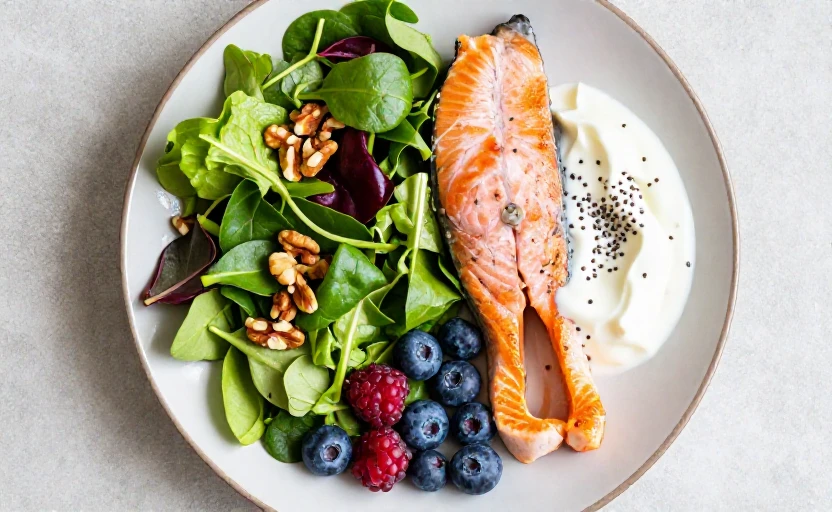
These are rich in omega-3 fatty acids, specifically EPA and DHA, which are crucial for brain health. Omega-3s are incorporated into the membranes of brain cells, improving their structure and function. They have potent anti-inflammatory effects and may help lower cortisol levels. Research suggests regular consumption is associated with a reduced risk of depression.
Try for two servings per week. Canned wild salmon or sardines are an affordable, convenient way to hit this goal.
Leafy green vegetables (spinach, kale, Swiss chard)
Dark leafy greens are powerhouses of folate (vitamin B9). Folate plays a critical role in the production of dopamine and serotonin. Low levels of folate have been consistently linked to depressive symptoms. They're also packed with magnesium, a mineral that helps relax the nervous system and can be depleted during times of chronic stress.
Fermented foods (yogurt, kefir, kimchi, sauerkraut)
These foods provide probiotics, the beneficial bacteria that live in your gut. A healthy, diverse gut microbiome is essential for the gut-brain axis. Probiotics can influence neurotransmitter activity and have been shown in some studies to modestly reduce perceived stress and improve mood. They also aid in digestion and nutrient absorption.
Berries (blueberries, strawberries, raspberries)
Berries are loaded with antioxidants, particularly flavonoids like anthocyanins. These compounds combat oxidative stress and inflammation in the brain, which are associated with anxiety and cognitive decline. Their natural sweetness can also help satisfy a sugar craving in a much healthier way, preventing the blood sugar spikes and crashes that can destabilize mood.
Nuts and seeds (walnuts, almonds, pumpkin seeds, flaxseeds)
A perfect snack for steady energy. Walnuts are another good plant-based source of omega-3s. Almonds provide vitamin E and magnesium. Pumpkin seeds are exceptionally high in magnesium, zinc, and tryptophan—a precursor to serotonin. The healthy fats, fiber, and protein in nuts and seeds help stabilize blood sugar, preventing the irritability and fatigue that come from a sudden drop.
How to make it practical
Start small. You don't need to eat all five every single day without fail. The goal is a consistent pattern over time.
- Breakfast: Add a handful of spinach to a morning smoothie with berries and a tablespoon of ground flaxseed.
- Lunch: Top a large salad with leafy greens, pumpkin seeds, and canned salmon or a side of kimchi.
- Snack: A small handful of walnuts and almonds with a cup of plain yogurt.
- Dinner: Include a side of steamed greens or make salmon the center of your plate twice a week.
Listen to your body. Notice how you feel when you consistently include these foods. Many people report a greater sense of calm, more stable energy, and an improved overall outlook. Remember, this is one piece of a holistic approach to well-being that also includes sleep, movement, and social connection. If you struggle with persistent low mood or high anxiety, it's important to speak with a healthcare professional for personalized guidance.