
We often reach for creams, serums, and mists when our skin feels tight or looks dull, but hydration isn't just a surface-level concern. What you put on your plate can be just as powerful as what you put on your face. The right foods provide your skin cells with the water, healthy fats, and protective compounds they need to stay plump, bouncy, and resilient.
Instead of chasing a dewy look with products alone, try adding these five science-backed foods to your routine to support skin hydration from the inside out. Think of it as watering your garden from the roots—the results show on every inch of your complexion.
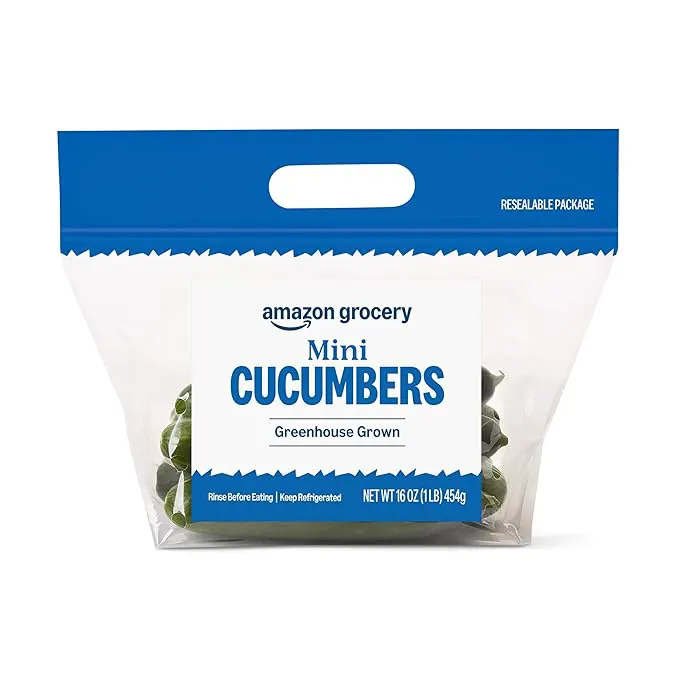
1. Cucumber: A Hydration Powerhouse
Cucumbers are about 96 percent water, which makes them one of the most hydrating foods you can eat. But their benefits go beyond simple H₂O. Cucumbers also contain silica, a trace mineral that supports collagen production and helps strengthen connective tissues in the skin. When your skin's structural support is healthy, it holds moisture more effectively.
Try adding cucumber slices to salads, blending them into smoothies, or infusing your water with them for a gentle, steady source of hydration throughout the day.
2. Fatty Fish: Omega-3s for a Healthy Lipid Barrier
Your skin's moisture isn't just about the water inside your cells—it's also about the barrier that keeps that water from evaporating. Omega-3 fatty acids, found abundantly in salmon, mackerel, sardines, and anchovies, play a critical role in maintaining this barrier. They help reduce inflammation and support the lipid layers that seal moisture into the skin.
A study review in the Journal of Cosmetic Dermatology found that omega-3 supplementation improved skin hydration and reduced water loss in participants. Including fatty fish in your diet a few times a week can provide these same benefits.
If you don't eat fish, consider plant-based sources of omega-3s like flaxseeds, chia seeds, and walnuts, though the conversion to the active forms (EPA and DHA) is less efficient.
3. Watermelon: Lycopene and High Water Content
Watermelon lives up to its name—it's over 90 percent water. But it also delivers a powerful dose of lycopene, a carotenoid antioxidant that protects the skin from UV damage and supports overall hydration. Lycopene helps neutralize free radicals that can break down collagen and elastin, keeping skin firm and able to retain moisture.
Enjoy watermelon fresh or in a hydrating summer salad with mint and feta. The combination of water and antioxidants makes it a top-tier choice for skin health.
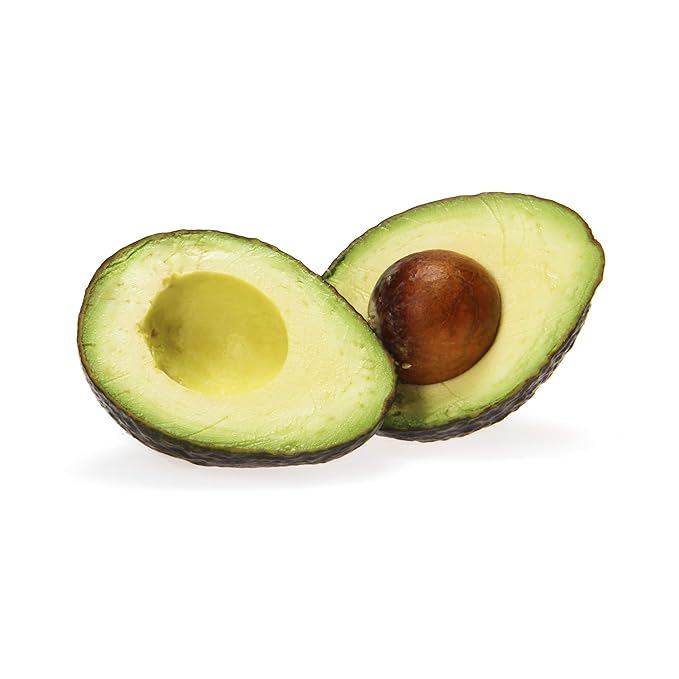
4. Avocado: Healthy Fats That Lock in Moisture
Avocados are rich in monounsaturated fats and vitamin E, two nutrients that work together to keep skin hydrated. The healthy fats in avocados help maintain the skin's lipid barrier, while vitamin E acts as a potent antioxidant that protects cell membranes from oxidative stress. One small study even found that daily consumption of avocado was associated with more supple, firmer skin over eight weeks.
Spread half an avocado on toast, toss slices into a salad, or blend it into a smoothie for a creamy, skin-friendly boost.
Pro tip: Don't toss the pit—you can infuse it in water or tea, though most of the nutrients are in the flesh itself.
5. Leafy Greens: Minerals and Phytonutrients
Spinach, kale, and Swiss chard are packed with water, magnesium, and chlorophyll. Magnesium is essential for proper hydration at the cellular level—it helps regulate water balance in cells and supports the skin's ability to retain moisture. Chlorophyll, the pigment that gives greens their color, has been shown to have antioxidant and anti-inflammatory properties that can improve skin texture and hydration.
Add a handful of spinach to your morning smoothie or sauté kale in olive oil for a quick, skin-supporting side dish. The soluble fiber in leafy greens also helps your body absorb water more efficiently.
How to Build a Hydrating Meal Plan
You don't need to overhaul your diet overnight. Start by adding one or two of these foods to your daily meals. Pair a hydrating fruit like watermelon or cucumber with a fat source like avocado or fatty fish to help your body absorb fat-soluble nutrients. Stay consistent—the skin's cell turnover cycle takes about 28 days, so give your new habits time to show results.
And don't forget plain water. While these foods provide significant hydration, they work best alongside adequate fluid intake. Aim for at least eight glasses of water a day, and more if you're active or live in a dry climate.
A reminder from your editor: Everyone's skin is unique. If you have a medical condition like eczema, psoriasis, or rosacea, talk with a dermatologist or dietitian before making major dietary changes. This article is for general education—not a substitute for personalized medical advice.