You already know the basics: wear a broad-spectrum sunscreen every day, reapply every two hours if you're outside, and seek shade during peak UV hours. But what you put on your plate could also give your skin an edge against the sun's harmful rays. Dietitians say that certain foods are rich in antioxidants and natural compounds that help defend skin cells from UV damage, reduce inflammation, and even support repair at a cellular level. While no food can replace your SPF, these five picks can act as a delicious line of defense from the inside out.
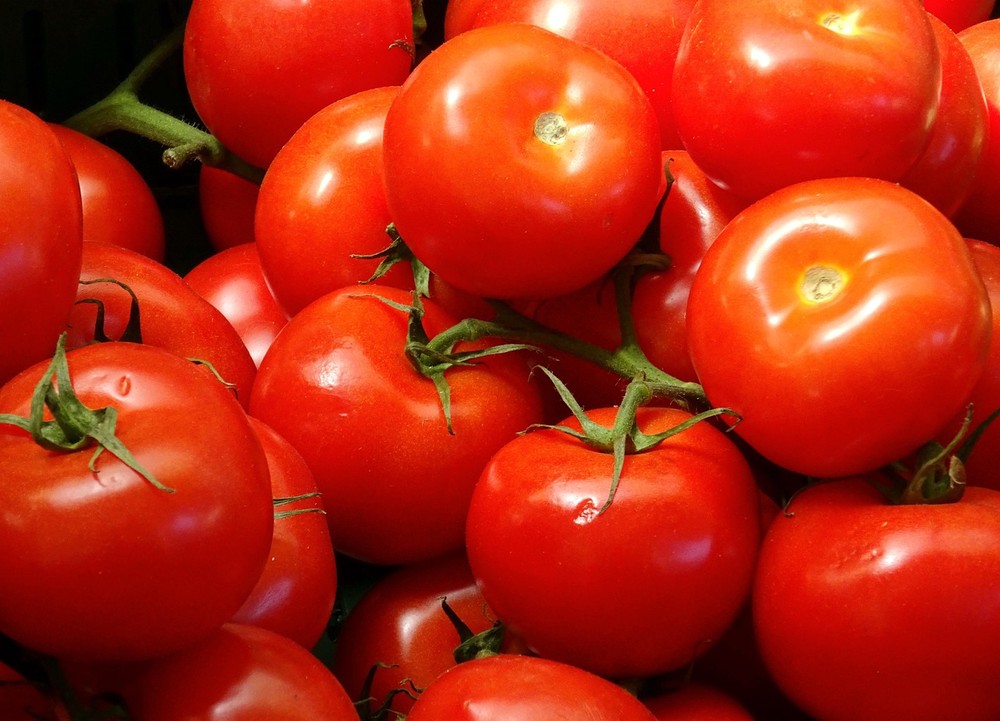
1. Tomatoes
Tomatoes owe their bright red color to lycopene, a powerful carotenoid with strong antioxidant properties. Lycopene accumulates in the skin after you eat it, where it can help neutralize free radicals caused by UV exposure. Some research suggests that regular consumption of tomato products—especially cooked or processed forms like tomato paste, because heat makes lycopene easier for the body to absorb—may reduce the skin's sensitivity to sunburn. Pair cooked tomatoes with a little healthy fat (like olive oil) to maximize absorption. Dietitians note that while the effect is modest, it is meaningful over time as part of a consistent diet.
2. Fatty Fish
Fish like salmon, mackerel, and sardines are loaded with omega-3 fatty acids, which are known for their anti-inflammatory effects. UV radiation triggers inflammation in the skin, accelerating signs of aging and increasing the risk of DNA damage. The omega-3s in fatty fish may help calm that response, potentially reducing the severity of sunburn and supporting the skin's barrier function. Fatty fish is also one of the best natural sources of vitamin D—but don't rely on it alone for complete sun protection. Think of it as a foundational food that helps your skin stay resilient.
3. Dark Leafy Greens
Spinach, kale, Swiss chard, and collard greens are packed with the antioxidants lutein and zeaxanthin. These carotenoids are best known for protecting eye health, but they also accumulate in the skin and help filter harmful UV rays. Additionally, leafy greens are rich in vitamin C and vitamin E, two antioxidants that work together to neutralize free radicals and support collagen production. Dietitians emphasize that a daily salad or a handful of greens in your smoothie is an easy way to give your skin an extra layer of nutritional protection.
4. Berries and Citrus Fruits
Strawberries, blueberries, raspberries, oranges, and grapefruits are high in vitamin C and polyphenols. Vitamin C is essential for collagen synthesis—the protein that keeps skin firm and elastic—and it also helps regenerate other antioxidants, like vitamin E, after they have neutralized free radicals. Berries, in particular, contain anthocyanins, which have been shown to reduce UV-induced inflammation and oxidative stress in skin cells. Eating a variety of colorful fruits ensures you get a broad spectrum of protective compounds. A small bowl of mixed berries or a glass of fresh orange juice with breakfast counts as a meaningful addition to your sun-defense routine.
5. Green Tea
Green tea is rich in catechins, especially epigallocatechin gallate (EGCG), a potent antioxidant that has been studied for its skin-protective effects. Some research suggests that drinking green tea regularly can reduce the skin's inflammatory response to UV light and may even lower the risk of sunburn. The catechins in green tea also help protect collagen and elastin fibers, which are the structures that keep skin looking youthful. To maximize the benefit, let your tea steep for at least three to five minutes and consider drinking two to three cups a day. You can also let the cooled tea bag sit on a sun-affected area for a gentle, topical soothing effect.
Bottom line from dietitians: The best approach is to pair a nutrient-dense diet with diligent sun-safe habits. These five foods can enhance your skin's natural defenses, but they are not a substitute for sunscreen, protective clothing, or smart sun exposure. Eat them regularly, and think of them as your skin's internal allies against the aging and damaging effects of the sun.