
You have tried the eye creams, the cold spoons, and the extra sleep, yet those shadows under your eyes persist. While genetics and aging play major roles in dark circles, your diet might be quietly working against you. Dermatologists point to specific foods that can trigger inflammation, dehydrate the skin, or weaken the fragile blood vessels around the eyes—all of which can deepen those unwanted shadows.
The skin under your eyes is the thinnest on your body, measuring less than 0.5 millimeters thick. This makes it unusually vulnerable to internal changes from what you eat. When certain foods cause fluid retention, dilate blood vessels, or promote collagen breakdown, the delicate under-eye area shows the damage first. Here are the five foods dermatologists most commonly flag as potential aggravators.
Salty Snacks and Processed Foods
That bag of chips or order of takeout noodles might be the biggest culprit behind your morning puffiness. High-sodium foods cause your body to retain water, and this fluid has a tendency to pool in the loose connective tissue under your eyes. The result is swelling that casts a shadow, making any natural pigmentation look darker and more pronounced.
“When I see patients with persistent under-eye bags that fluctuate during the day, the first thing I ask about is their salt intake. Sodium is a direct driver of fluid retention in the periorbital area.” — Dr. Rebecca Marcus, board-certified dermatologist
Processed foods such as deli meats, canned soups, frozen dinners, and restaurant meals are the primary sources of hidden sodium. Even foods that do not taste salty, like certain breads and breakfast cereals, can contain surprising amounts of added salt. Cutting back to the recommended 2,300 milligrams of sodium per day (about one teaspoon of salt) often leads to visible improvement in under-eye puffiness within a week.
Alcohol
Alcohol exerts a double hit on the under-eye area. First, it acts as a diuretic, which initially dehydrates the body. Dehydrated skin becomes thinner and more translucent, allowing the dark blood vessels beneath the surface to show through more clearly. Second, as the body processes alcohol, it triggers inflammation and dilates blood vessels—including the tiny ones under your eyes.
This combination creates both a bluish tint from visible veins and a puffy swelling from fluid shifts. Dark circles are often most noticeable the morning after drinking because the body is working to rehydrate and process inflammatory byproducts. Limiting alcohol to moderate levels (one drink per day for women, two for men) and drinking extra water alongside each alcoholic beverage can help minimize this effect.
Sugary Desserts and Refined Carbohydrates
High-glycemic foods like cookies, pastries, white bread, and sugary cereals cause rapid spikes in blood sugar. Over time, this process contributes to glycation, a chemical reaction where sugar molecules bind to collagen and elastin fibers. Glycation stiffens and weakens these structural proteins, which are essential for keeping under-eye skin firm and resilient.
“Glycation is like rusting from the inside. When collagen and elastin get damaged, the skin loses its bounce and becomes crepey or hollow-looking. In the thin under-eye area, that translates directly into darker shadows,” explains Dr. Whitney Bowe, dermatologist and author of The Beauty of Dirty Skin.
The effect is cumulative. Each sugary meal adds a bit more damage to the skin’s support structure. While an occasional dessert will not ruin your skin, a daily habit of high-sugar foods may accelerate the thinning of under-eye skin and make dark circles harder to conceal.
Caffeine (When Consumed Excessively)
Caffeine has a complicated relationship with dark circles. In small, topical amounts, caffeine can constrict blood vessels and reduce puffiness—which is why many eye creams contain it. But excessive caffeine intake through coffee, energy drinks, or soda can dehydrate the body and disrupt sleep patterns.
Dehydration makes under-eye skin look sunken and emphasizes hollows. Poor sleep quality, which caffeine often causes if consumed late in the day, leads to fluid accumulation and dilated blood vessels under the eyes. The key is moderation. Two to three cups of coffee spread across the morning are unlikely to cause problems, but drinking coffee after 2 p.m. or consuming more than 400 milligrams of caffeine daily may contribute to visible dark circles.
Spicy Foods
If you love hot sauce, curry, or chili peppers, you might notice a temporary flush in your face after eating them. Capsaicin, the compound that makes peppers spicy, dilates blood vessels throughout the skin. For most people, this is a harmless flush that fades within an hour. But in the under-eye area, that dilation can make dark circles appear more prominent as the blood vessels become more visible through the thin skin.
For individuals who already have a tendency toward dark circles—especially those with a bluish or purplish hue caused by visible veins—spicy foods can temporarily worsen the appearance. This is usually not a reason to avoid spices entirely, but it helps to be aware of the connection. If you notice that your dark circles look more pronounced within an hour of eating spicy meals, that is a direct sign that food-related vasodilation is playing a role.
Diet is rarely the sole cause of under-eye darkness, but it acts as a modifiable factor that can either support or undermine your efforts. The three types of dark circles—pigmented (brownish), vascular (bluish or purplish), and structural (shadow from hollows)—each respond differently to dietary changes. Vascular dark circles, which are related to blood vessel visibility, tend to improve most quickly when you reduce sodium, alcohol, and spicy foods. Pigmented dark circles, linked to melanin production, are more stubborn but can be helped by avoiding high-sugar foods that promote inflammation.
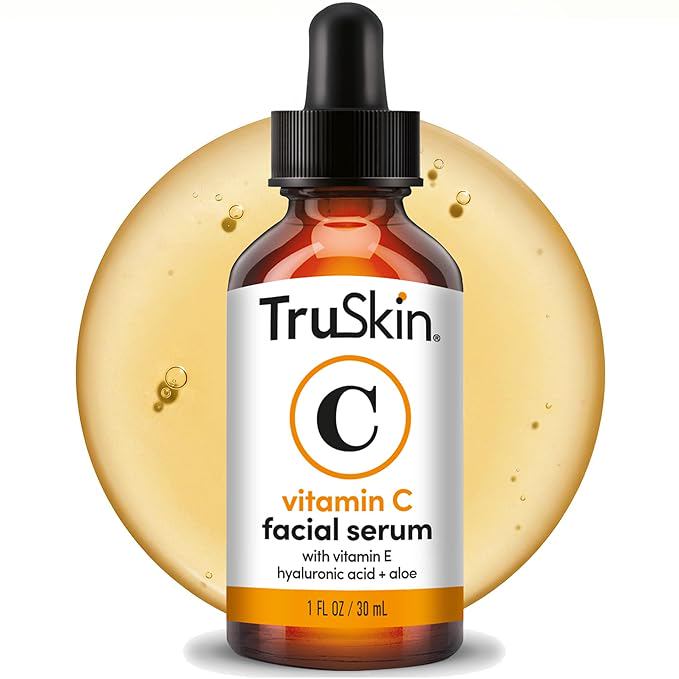
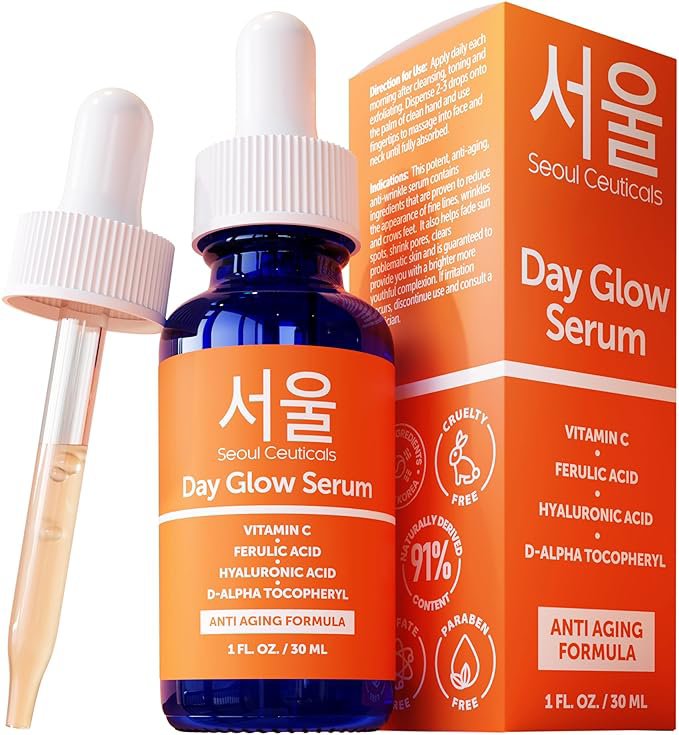
If you are addressing dark circles, consider keeping a food diary for two weeks to see if your symptoms fluctuate with what you eat. Pair dietary adjustments with consistent sleep, hydration, and a basic skincare routine that includes a gentle retinol or vitamin C serum under the eyes (used carefully, as this area is sensitive). The goal is not perfection—it is recognizing when your daily choices may be working against the clear, bright eyes you want.