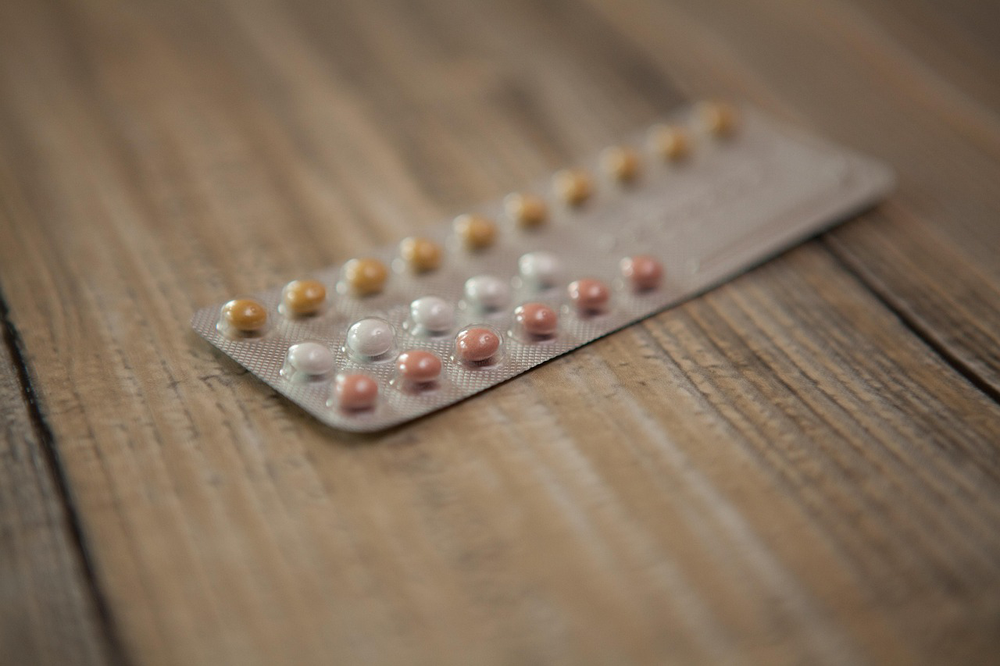
Hormonal contraceptives—pills, patches, rings, or IUDs—are remarkably effective at preventing pregnancy, but they can come with a list of unwanted side effects. Nausea, bloating, breast tenderness, mood changes, breakthrough bleeding, and a lower libido are among the most common complaints. While these symptoms often improve after a few months, what you eat can play a supporting role in how your body handles the hormones.
No food is a cure, and the research here is still evolving. But a handful of nutrients and whole foods have shown promise in easing specific side effects linked to hormonal birth control. Below are five foods that may help you feel more like yourself while your body adjusts—or throughout your time on contraception. As always, talk to your healthcare provider before making significant changes to your diet or if side effects persist.
Why hormonal contraceptives can be hard on your body
Hormonal birth control works by delivering synthetic versions of estrogen and progestin to prevent ovulation. That hormonal shift can alter how your body uses certain vitamins and minerals. For example, estrogen-containing contraceptives can lower blood levels of magnesium, zinc, B vitamins (especially B6, B12, and folate), and vitamin C. These nutrients are already involved in mood regulation, energy production, and fluid balance—so when levels dip, side effects can surface.
The goal of the foods listed here isn't to counteract the contraceptive itself, but to replenish what gets depleted and support your body's natural coping systems.
1. Pumpkin seeds: A mineral boost for mood and libido
Magnesium and zinc are two minerals that often run low in women using hormonal birth control. Low magnesium is linked to muscle tension, headaches, and anxiety—all of which can show up as side effects. Zinc is crucial for a healthy libido and for keeping your skin clear, which matters because hormonal shifts can trigger breakouts.
Pumpkin seeds are a concentrated source of both. A quarter-cup serving provides nearly half of your daily magnesium needs and a solid dose of zinc. They're also rich in tryptophan, an amino acid your body converts into serotonin—the same brain chemical that helps regulate mood. Sprinkle them on oatmeal, blend into smoothies, or eat them by the handful as a snack.
A small daily handful of pumpkin seeds delivers magnesium, zinc, and mood-supporting tryptophan—all of which hormonal contraception can deplete.
2. Leafy greens: B-vitamin allies for energy and stable mood
Dark leafy greens like spinach, kale, and Swiss chard are packed with folate (vitamin B9) and other B vitamins. Oral contraceptives have been shown to lower blood levels of folate, B6, and B12. These vitamins are central to how your body produces energy and manages stress. A deficiency in B6, in particular, has been linked to depressive symptoms and irritability—two of the more disruptive side effects for some women.
Getting enough folate is also important because hormonal birth control can interfere with its absorption. A big salad with spinach, grilled chicken, and avocado covers a lot of ground: the greens supply B vitamins, the avocado offers healthy fats, and the chicken provides B12. If you struggle to eat enough greens, adding a handful to a morning smoothie is a low-effort way to help close the gap.
3. Fatty fish: Omega-3s for inflammation and skin
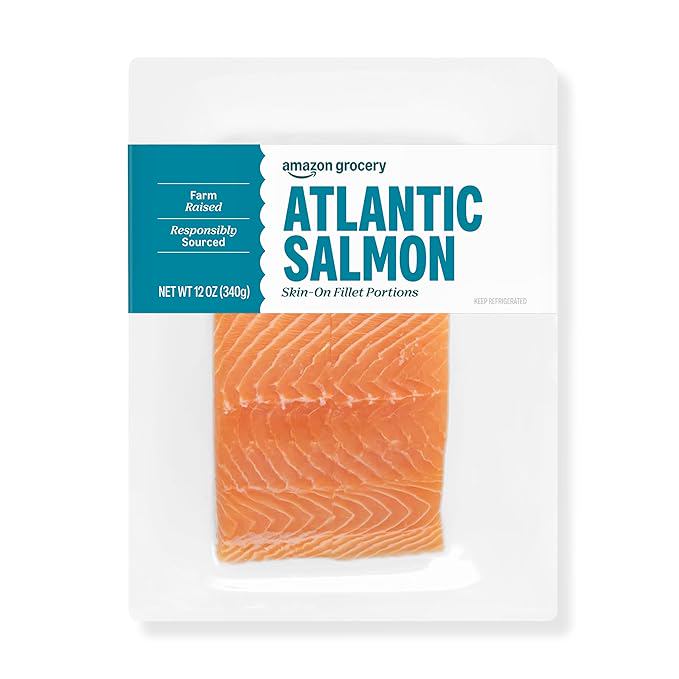
Salmon, sardines, mackerel, and anchovies are rich in omega-3 fatty acids—specifically EPA and DHA. These fats are known for their anti-inflammatory properties, and they may help with two common contraceptive side effects: breast tenderness and acne. Hormonal changes can cause fluid retention and inflammation in breast tissue, while the progestin in many pills can trigger breakouts in women prone to acne.
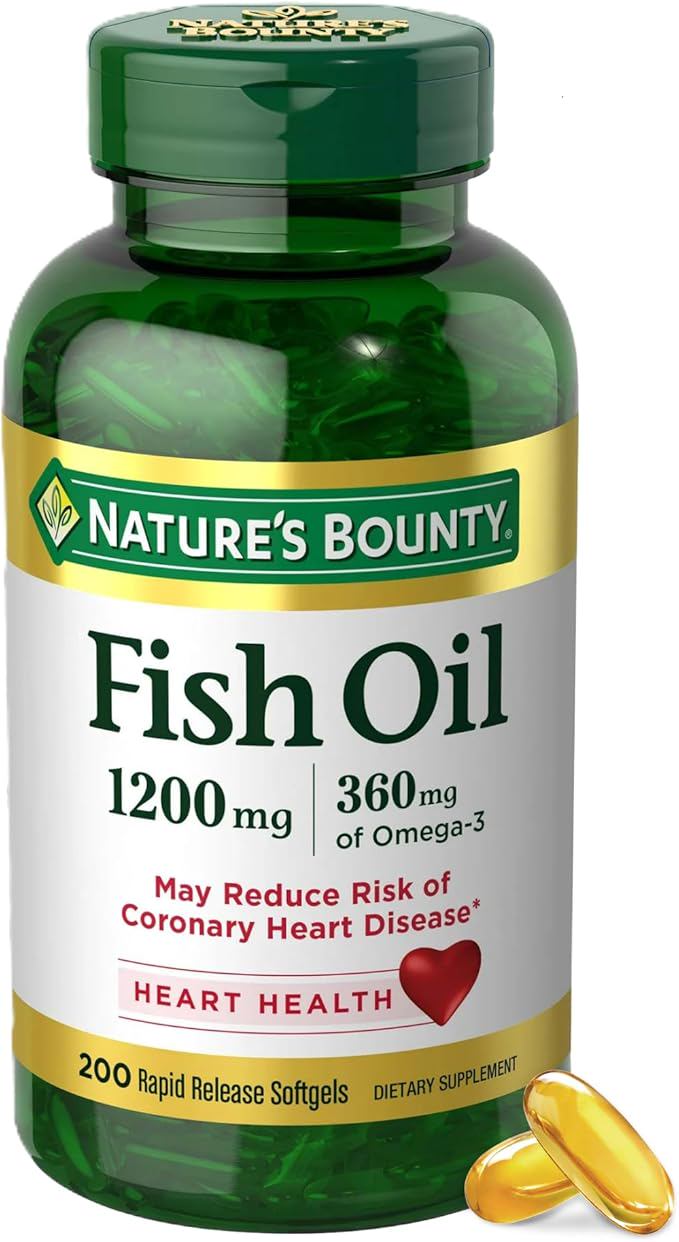
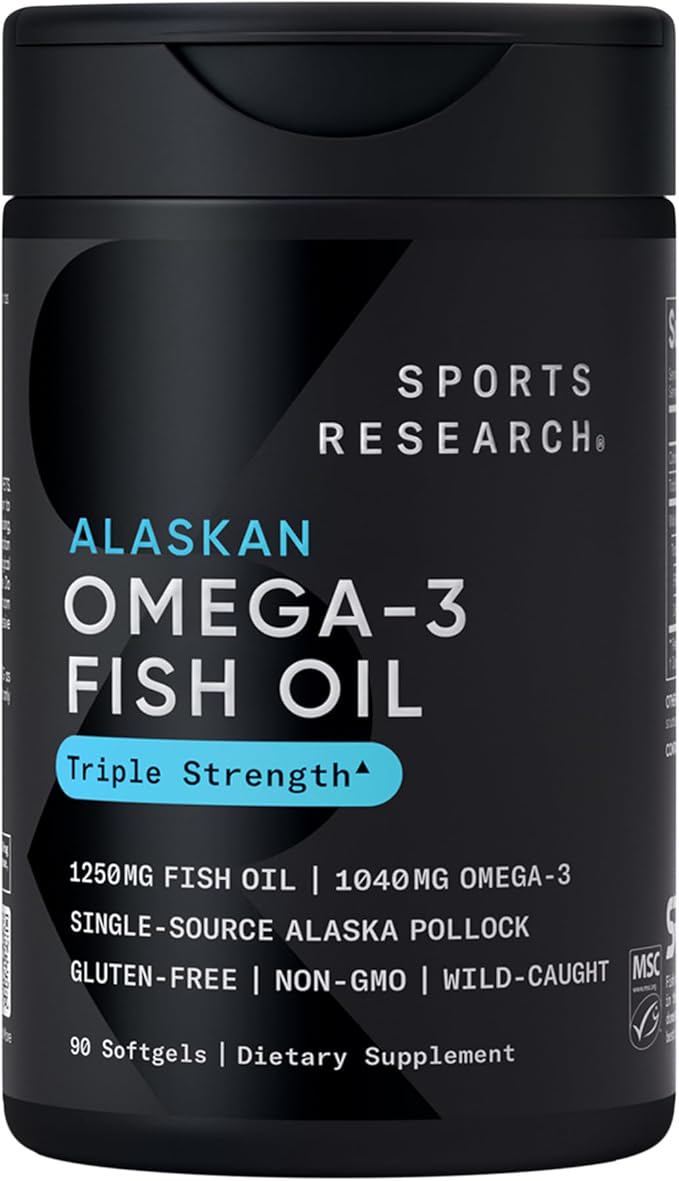
Omega-3s help calm systemic inflammation, which can ease breast discomfort and support clearer skin over time. They may also help stabilize mood. The American Heart Association recommends two servings of fatty fish per week. If fish isn't your thing, a high-quality fish oil or algae-based omega-3 supplement is a reasonable alternative—but whole food sources offer additional nutrients like vitamin D and selenium.
4. Yogurt or kefir: Gut and vaginal health support
Hormonal birth control can alter the balance of bacteria in both your gut and your vaginal microbiome. This shift may contribute to bloating, digestive discomfort, and a higher risk of yeast infections or bacterial vaginosis. Fermented dairy products like yogurt and kefir are rich in probiotics—live bacteria that help maintain a healthy microbial balance.
Look for plain, unsweetened yogurt with live and active cultures. Greek yogurt is particularly high in protein and calcium, too—important because estrogen-containing contraceptives can reduce bone-mineral density over long-term use. A daily serving of yogurt or kefir supports digestion, helps keep vaginal pH in check, and provides calcium for bone health. If dairy doesn't agree with you, fermented options like kimchi, sauerkraut, or a non-dairy probiotic drink can offer similar gut benefits.
5. Citrus fruits: Vitamin C for cervical health and absorption
Vitamin C is another nutrient that can dip when you're on the pill. This vitamin is essential for immune function, collagen production, and the health of cervical mucus. Healthy cervical mucus is important for those trying to conceive—but even if you're not, adequate vitamin C helps maintain tissue integrity and may reduce spotting or breakthrough bleeding.
Citrus fruits like oranges, grapefruits, and kiwis are obvious choices, but also consider bell peppers, strawberries, and broccoli—all high in vitamin C. Pairing these with iron-rich foods (like spinach or beans) boosts iron absorption, which is helpful because some women experience heavier breakthrough bleeding that can lead to iron loss. A simple trick: add a squeeze of lemon to your spinach sauté or sip orange juice alongside a lentil soup.
Putting the foods together: A sample day
You don't need a complicated plan. A day of eating that hits most of these nutrients might look like this:
- Breakfast: Greek yogurt topped with pumpkin seeds and sliced strawberries.
- Lunch: Spinach salad with grilled salmon, sliced orange segments, and a vinaigrette.
- Snack: A small handful of almonds and a kiwi.
- Dinner: Baked mackerel with steamed kale and a side of quinoa.
That single day delivers magnesium, zinc, B vitamins, omega-3s, probiotics, vitamin C, and iron—a solid nutritional foundation for anyone managing contraceptive side effects.
What about supplements?
While whole foods should be your first line of defense, some women benefit from targeted supplements, especially if blood tests show a deficiency. The most commonly needed ones for people on hormonal birth control include magnesium, zinc, B-complex (particularly B6 and methylated folate), and vitamin C. Always run supplements by your healthcare provider first—some can interact with contraceptive effectiveness or cause other problems if taken in excess.